3 Idaho transgender prisoners sue over medical care. They can get treatment — for now
The American Civil Liberties Union has filed a class-action lawsuit against several Idaho leaders — including the governor and attorney general — on behalf of three incarcerated transgender women over allegations that a newly enacted state law barring the use of public funds on gender-affirming care is an “across-the-board ban” and violates constitutional rights.
The bill, turned law, at the crux of this lawsuit, House Bill 668, was passed earlier this year, and it prohibits government dollars from being used for any “surgical operation or medical intervention” related to gender transitions — meaning that trans people in prison can no longer be prescribed medication that can change their appearance, or give them feminine or masculine traits.
It specifically bans treatments that alter the “appearance” of a person “in a way that is inconsistent with the individual’s biological sex.” Any government employee who violates the law could be charged with misusing public monies, which is punishable by an up to $10,000 fine and a maximum of 14 years in prison.
In a 21-page complaint filed late last month, the ACLU said the law denies necessary medical treatment to people experiencing gender dysphoria in prison, violating the Eighth Amendment prohibition on “cruel and unusual punishment,” and also “upended” an internal policy that’s been in place for decades.
The Idaho Capitol Sun first reported on the lawsuit.
A decision on the merits of the lawsuit is likely not coming soon, but U.S. District Judge David Nye will decide whether the women can continue to receive gender-affirming care while the legal process plays out.
“I do not want to suffer this again,” one of the women, Jane Poe, said in a declaration last month. “If I am cut off on July 1st, I would be scared for myself. I fear I would suffer the same suicidality and severe mental health issues as I did before.”
Over concerns for their safety, the women are using pseudonyms in the lawsuit and are identified as Jane Roe, Jane Poe and Jane Doe.
For now, Nye has temporarily barred the state from enforcing the ban for the three women, allowing them to receive their medication, according to an order. His decision came on July 1, the same day the law went into effect.
The immediate suspension was partly because of “serious questions” raised by the women’s attorneys that go toward the merits of their complaint, Nye said, adding there were also “extreme time constraints.”
“Today, the Court puts a provisional pause on enforcement (on the law),” he wrote. “It does not find it valid. It does not find it invalid. This is not a full adjudication of any arguments on the merit.”
The pause is in effect until Nye hears arguments from attorneys on both sides of the complaint to decide whether he should enter a formal temporary restraining order, typically lasting two weeks, or a preliminary injunction, which could extend through the lawsuit. That hearing is scheduled for 11 a.m. local time Monday.
This isn’t Idaho’s first lawsuit involving transgender prisoners. In 2017, Adree Edmo sued IDOC and its prior medical provider over allegations of cruel and unusual punishment after they refused to provide her with gender-affirming surgery. Three years later, in 2020, despite attempts by Gov. Brad Little to appeal federal and appellate court decisions, Edmo received the surgery, making her the second person in the country to get gender-affirming surgery while in prison.
The ACLU of Idaho declined to comment for this story. So did the Idaho Attorney General’s Office and the governor’s office, citing policies against commenting during an ongoing lawsuit.
Lawmakers previously warned about the law’s constitutionality
Aside from Little and Attorney General Raúl Labrador, the lawsuit was filed against IDOC Director Josh Tewalt, IDOC Deputy Director Bree Derrick and the prison’s private medical provider, Centurion.
The law prohibits physicians or other health care professionals employed by the state from performing the treatments, and also bans state property from being used for those purposes — a provision that has raised questions about whether transgender college students or state employees taking prescribed hormones could do so at their dormitory or place of work.
The ban will also affect employees on state health insurance. A spokesperson for the Department of Administration, Kim Rau, told the Statesman by email that the office had told the state’s insurance provider, Regence BlueShield, that “no public funds can be used to cover gender-affirming care under the state plan.”
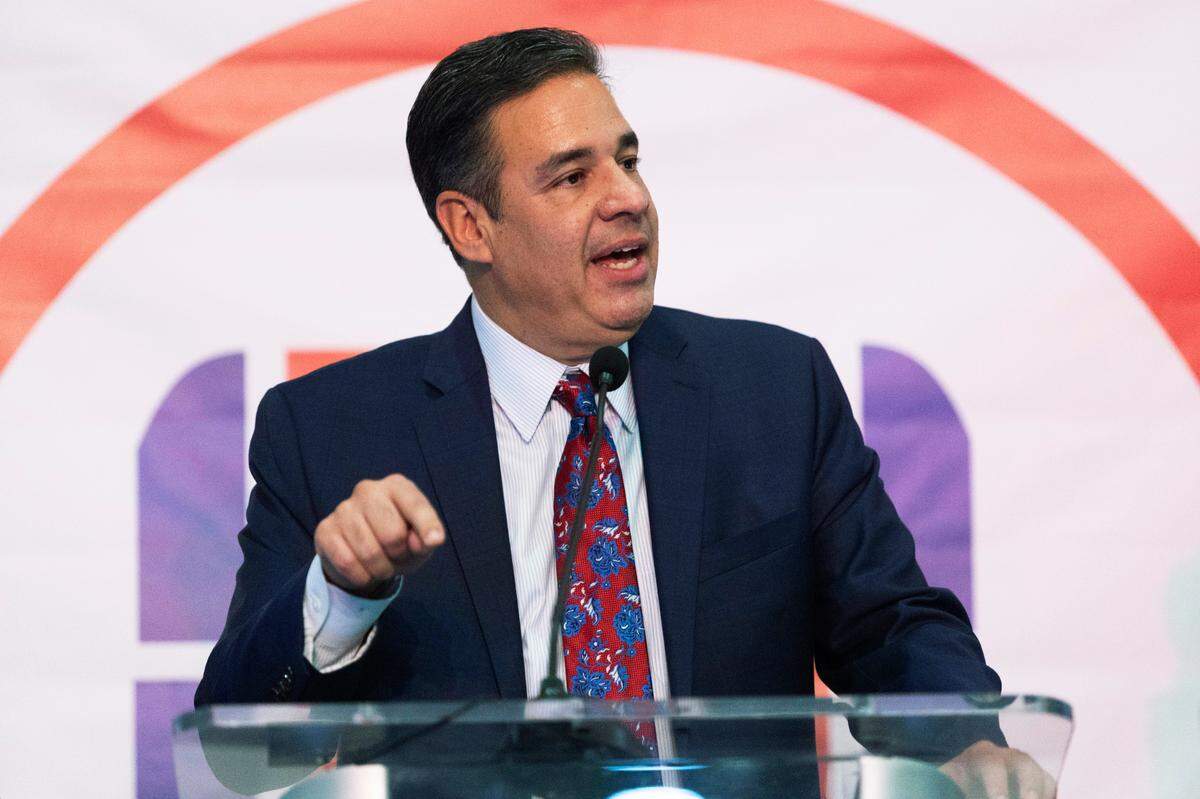
A majority of lawmakers in legislative committees supported the bills, championed by Republicans, over the pleadings of transgender people and their supporters, who argued that it would discriminate against them and heighten depression and suicide rates. The battle comes at a time when conservative legislators around the country have focused on limiting the care for adults and children.
Rep. Julianne Young, R-Blackfoot, co-sponsored the bill and claimed that gender-affirming care is “controversial at best” and interrupts “normal, healthy sexual development.”
Opponents of the bill have said it’s unconstitutional.
Boise-based attorney Howard Belodoff previously told lawmakers that it violated the 14th Amendment’s equal protection clause and was “going to cost the taxpayers millions of dollars.” He separately represents clients suing the state for decreeing genital reconstruction surgery cosmetic.
“This case concerns the serious pain, anguish, and catastrophic health consequence that will be caused by the imminent denial of needed gender-affirming medical care to plaintiffs and other similarly situated transgender individuals incarcerated in Idaho state prisons,” the ACLU complaint said.

‘I am someone worth loving and accepting as myself’
For the three incarcerated women, the treatment they’ve received within prison has been liberating, validating and life-changing, they said in their declarations. Now they’re concerned about the devastating effects of losing their medication and worried their gender dysphoria will increase.
Roe, who has been incarcerated since 2014, said in her declaration that she didn’t think too much about her identity as a kid and “was always one of the girls,” but as she got older, Roe said that she remembered being teased and called slurs by people at school.
At the age of 13, she tried to kill herself.
Someone at her school had called her transgender, according to her declaration, and at that time Roe said the information was “confusing and sexualized,” which devastated her and made her feel like she wasn’t a normal girl like she’d thought, but was instead someone who “seemed to deserve the abuse” that she suffered at school.
Now, after 10 years of hormone therapy, Roe said in her declaration that she feels closer to who she’s always been.
“I know that no medication will fix my past or erase the times when I felt ostracized by being who I am, but my hormone therapy has brought my body into alignment with my mind and soul,” Roe wrote. “It has given me hope for a better life, a better future, and a better me. It has been validating.”
“I feel like I am not the freak I felt I was at 13. I am someone worth loving and accepting as myself,” Roe continued.
.jpg "20230331_150743 (1).jpg")
Dozens of incarcerated people could be affected, ACLU says
For anyone else who received or hoped to receive gender-affirming while in prison, as of right now their treatment will be withdrawn. At least 54 people could be affected, the ACLU said in court filings.
Before the judge’s ruling, two of the plaintiffs said that transgender people within the prison were told their hormone therapy medication would be either “cut off” or “tapered off” once the law went into effect, according to their declarations.
Centurion said in a court filing that it would not immediately “cut off” hormone therapy and that each patient would be individually evaluated, according to a response filed by Christina Hesse, an attorney representing Centurion. Medical providers also will ensure that “other available, non-prohibited medical interventions and treatments are provided,” the response said.
Exactly what that process looks like and what those options are is unclear. Idaho Department of Correction spokesperson Sanda Kuzeta-Cerimagic declined to answer several questions about the medical process, instead directing the Statesman to Centurion.
The Statesman attempted to contact the private medical provider through email and phone calls at least half a dozen times for several different stories in the past year. Centurion has never responded. For this story, emails and a phone call to Centurion’s media line went unanswered.
Kuzeta-Cerimagic added in an email that IDOC is working with the AG’s office and Centurion to ensure their “policies and procedures comply with the new law.”
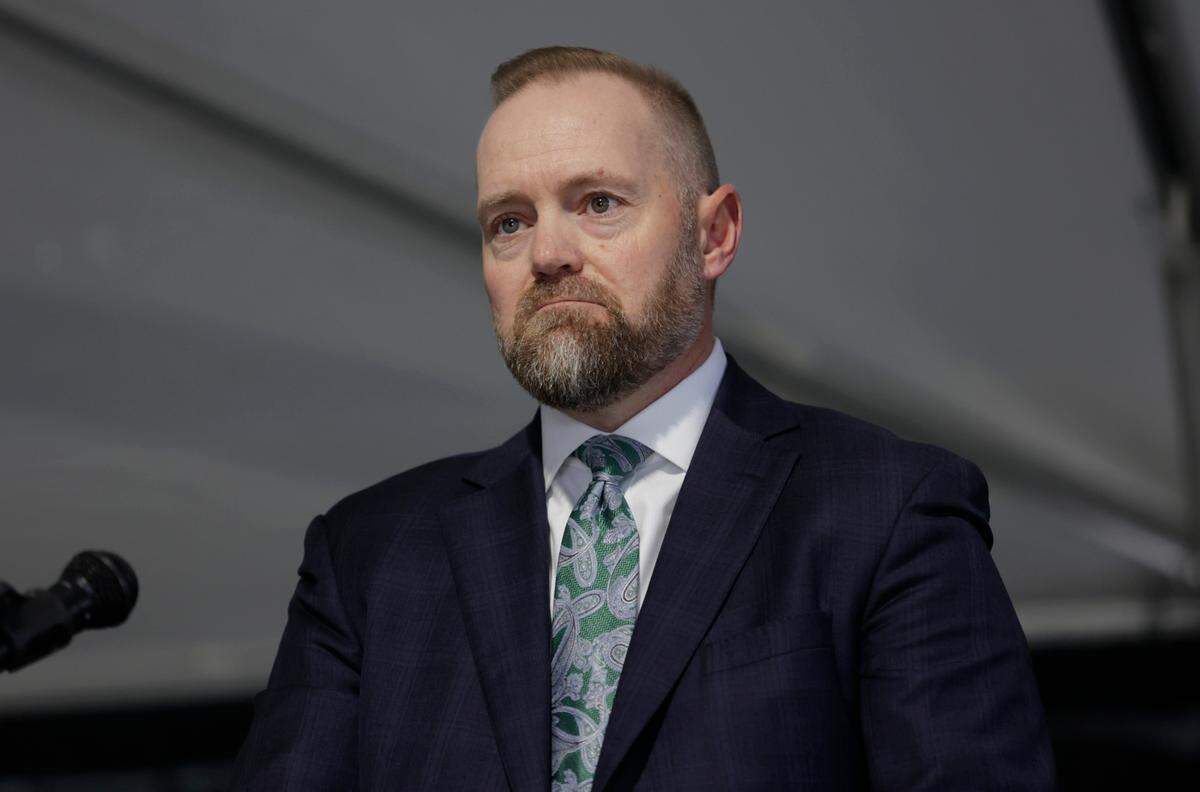
Since at least 2002 — and until recently — Idaho’s prisons have allowed people diagnosed with gender dysphoria to be prescribed hormones. IDOC’s guidelines are outlined in a nine-page document detailing the department’s policies, which range from medication to allowing people to dress according to their identified gender, and other options for people experiencing gender dysphoria.
All three of the women have been prescribed estradiol, or estrogen, and spironolactone, which blocks male sex hormone receptors, lowering the amount of testosterone someone’s body makes, according to the complaint. They are all also receiving treatment from Dr. Marvin Alviso, a Boise family physician, who specializes in LGBTQ+ care and has been an advocate for gender-affirming care.
Alviso was barred from prescribing a teenage patient testosterone in April after the U.S. Supreme Court allowed Idaho’s ban on gender-affirming care for transgender minors to take effect, telling the Statesman that his hands were tied.
“We will acknowledge gender dysphoria; we just can’t really act on it,” Alviso said.
This story was originally published July 12, 2024 at 1:38 PM.