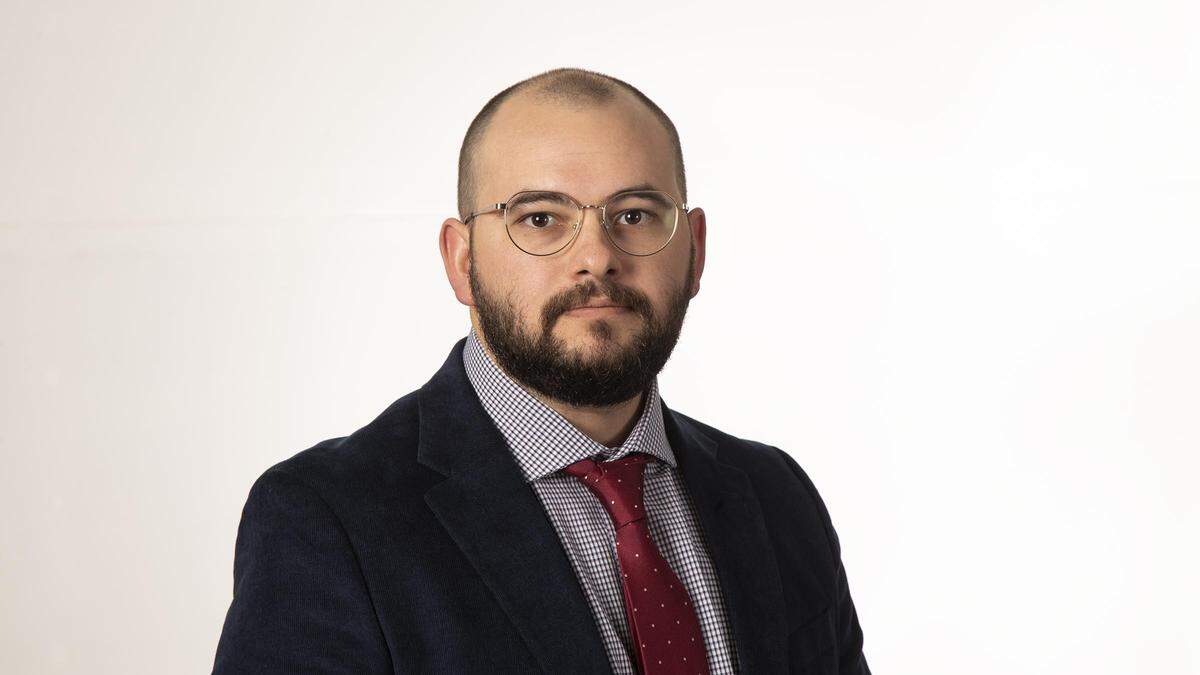
Idaho AG Raúl Labrador is disqualified from litigating another case. Here’s why

For the second time this month, a judge has ruled Idaho Attorney General Raúl Labrador has a conflict of interest in legal action against a state agency client.
Fourth Judicial District Judge Jason Scott said Friday that Labrador, and two other attorneys in his office, had access to privileged information before suing the Board of Regents for the University of Idaho. Scott ruled that the conflict of interest disqualifies Labrador, Solicitor General Theo Wold and Deputy Attorney General Timothy Longfield from litigating their office’s case that alleges the board violated the state’s open meeting law.
“The Board of Regents is now in the awkward position of being sued by someone who previously engaged it in a privileged conversation regarding the very subject of this litigation,” the Ada County judge wrote. “The harms are both obvious and difficult to quantify, considering that the Board of Regents can’t very well disclose the content of the conversation without exacerbating the problem.”
Boise attorney: ‘Fundamentally wrong’ to sue client
Members of the Idaho State Board of Education, who also serve as regents for U of I, sought to disqualify the attorney general’s office from the lawsuit. Scott partially granted the board’s motion, disqualifying Labrador and the two other attorneys. But Scott didn’t rule out other attorneys in Labrador’s office who haven’t worked on the case.
In a Monday statement, Labrador said that Scott upheld the right of his office to “hold state agencies accountable for Open Meetings Law violations.”
“I am very pleased with the court’s decision because it ensures that I can do my job as the sole enforcer of the Open Meetings Law for state agencies like the Idaho State Board of Education,” Labrador said. “The Open Meetings Law requires state agencies to act transparently. It protects the public against backroom dealing by mandating that state business be conducted publicly, with only a few narrow exceptions.”
In a hearing Thursday, the State Board’s private attorney asked Scott to disqualify the attorney general’s office because it previously gave the board legal advice when it held a closed-door meeting to consider a deal allowing the U of I to buy a for-profit college.
State Board of Education members said in court declarations that they relied on advice from Deputy Attorney General Jenifer Marcus that the closed-door meeting was legal.
It is “fundamentally wrong” to sue a client after a lawyer from the same office advised that the action was legal, Trudy Hanson Fouser, a Boise attorney representing the State Board of Education, argued Thursday.
Labrador also had a phone call with the board’s executive director, Matt Freeman, hours before the attorney general filed a complaint alleging the secret meeting in executive session violated Idaho’s Open Meeting Law. Freeman may have shared confidential information during the call that could be used in the attorney general’s lawsuit, Fouser argued.
“What we are asking for is a level playing field,” she said.
Longfield argued Thursday that nothing in the attorney general’s lawsuit is based on information shared during the phone call, and the State Board already obtained equal footing by hiring a private attorney.
“That should ameliorate any issue, any harm,” Longfield said.
It’s the second time this summer that state officials have challenged Labrador’s ability to investigate or take legal action against them.
Fourth Judicial District Judge Lynn Norton earlier this month ruled that Labrador had a “notable conflict of interest” when his office began investigating officials with the Idaho Department of Health and Welfare over how it distributed federal child care grants. An attorney from Labrador’s office advised health officials that the grants were legally distributed, and Labrador can’t investigate whether the client violated the law on the same issue, Norton ruled, before directing Labrador to appoint an independent prosecutor.
The attorney general’s office is required by law to provide legal advice and representation to state agencies and officials.
Idaho EdNews first reported that the State Board of Education sought to disqualify Labrador.
Differing accounts of critical phone call
Scott on Thursday noted Norton’s decision but signaled that his primary concern was the phone conversation between Labrador and Freeman.
In a court declaration, Freeman said that Labrador and Wold, who was also on the call, asked “several probing questions” about U of I’s negotiations with the University of Phoenix, the Arizona-based for-profit university that would be acquired by the Idaho institution if the deal goes through.
“I spoke openly and freely because it was not until the end of the conversation that Ms. Marcus and I were told the attorney general was going to file a complaint,” Freeman told the court. “I would not have discussed this information had I known the attorney general could use it to support filing a complaint.”
The attorney general’s case hinges on whether U of I had competition to buy the University of Phoenix. The Open Meeting Law requires that all meetings of government boards be open to the public. But the law exempts “preliminary negotiations” among public officials that involve “matters of trade or commerce” and “competition with governing bodies in other states or nations.”
Wold told the court that Labrador believed U of I was the only bidder to buy the University of Phoenix, and “at the outset of the call,” Labrador told Freeman that he intended to file a lawsuit.
“I explained that if the board would cure its violations, the attorney general would be happy to dismiss this lawsuit,” Wold said in the court declaration.
Labrador said that he gave Freeman a “courtesy call” to “advise the board of the impending litigation and to invite resolution of the issue without prolonged litigation.”
“At no time during the call did we ask anyone to divulge confidential information nor was there any disclosure of confidential information,” Labrador said Monday.
Scott wrote in his Friday decision that Freeman’s version of events is “more plausible.”
“The court considers it likelier than not that Attorney General Labrador’s disclosure of the impending suit came at end of the call, not the outset,” Scott wrote. “Consequently, during the call, Executive Director Freeman seems to have reasonably believed that he was speaking with the Board of Regents’ lawyers, not with prospective litigation adversaries.”
Former attorney general weighs in
In a court declaration, former Idaho Attorney General Lawrence Wasden said he required attorneys in his office to contact the target of potential litigation and invite a “resolution of the issue” before a lawsuit was filed.
However, if a lawyer from the attorney general’s office had incorrectly advised the state agency that a closed-door meeting was legal, the state attorney would not take “an enforcement action,” Wasden said. Instead, the attorney general’s office would have helped the agency correct its mistake and Wasden would have required training for the attorney and state agency, he said.
“It would not have been appropriate for me to punish my client for following my advice, whether that advice was correct or incorrect,” Wasden said.
Meanwhile, the overall case against the State Board of Education will continue. Scott directed Labrador to appoint a new lawyer to oversee the lawsuit against the board by Sept. 5.
Board members maintain that Labrador’s claims are “meritless.” The board last month supplied letters from the University of Phoenix and its financial adviser showing that U of I competed with two other universities and a private entity in its bid to buy the for-profit school.
This story was updated 12:18 p.m. Aug. 28, 2023, after the judge ruled to disqualify Labrador from litigating against the State Board of Education. It was updated again at 2:18 p.m. to include a response from Attorney General Raúl Labrador.
This story was originally published August 25, 2023 at 11:49 AM.