Measure to ban psychoactive drugs in Idaho constitution will head to Senate floor
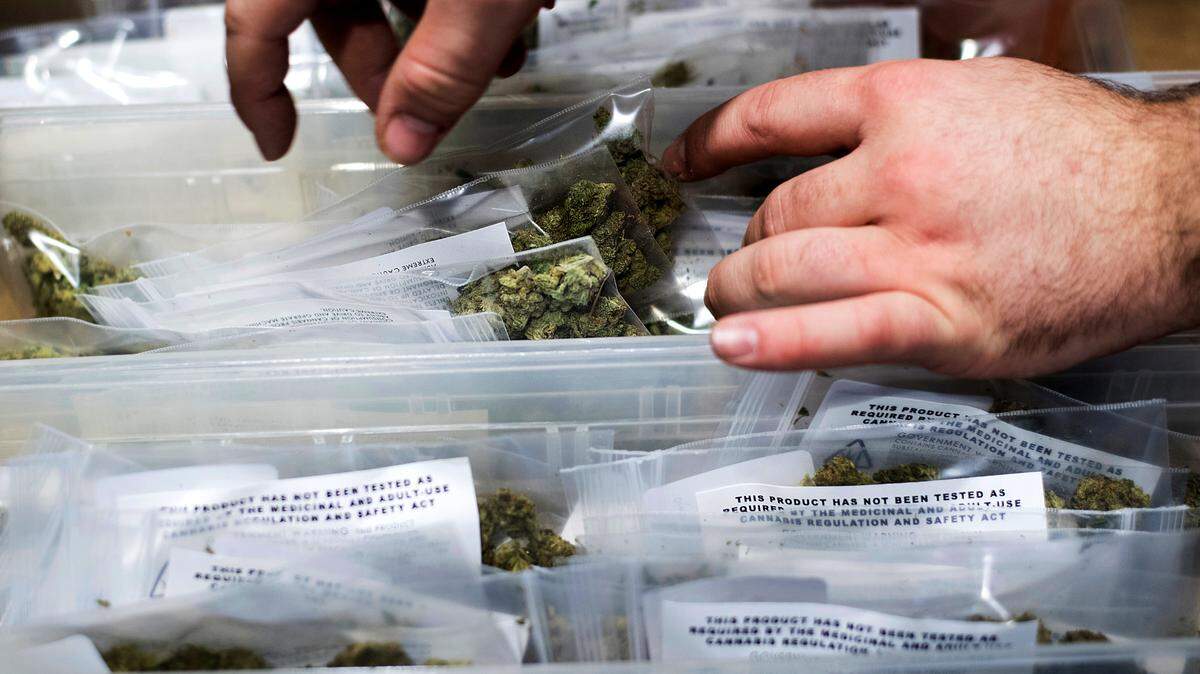
A measure to ban currently illegal psychoactive drugs, including marijuana, in Idaho’s constitution will head to the Senate floor.
A Senate committee on Friday approved the constitutional amendment, which would make it more difficult to legalize psychoactive drugs in the future. The sponsor, Sen. C. Scott Grow, R-Eagle, who said Friday that the government should seek to preserve Idaho’s virtues and culture against “outside influences.”
“The legislature should promote temperance and morality,” Grow said.
If Senate Joint Resolution 101 is approved by two-thirds of both the Senate and the House, it would head to the voters in the 2022 general election.
“The people are going to have the opportunity to vote on this,” said Sen. Abby Lee, R-Fruitland, a member of the Senate State Affairs Committee. “You will have an opportunity you will have a voice. Let us know. This is the process.”
The vote had been delayed after two hours of public testimony on Monday from both supporters and opponents. Critics pointed to whether the amendment would exclude CBD oil and hemp, which was approved by the federal government. Idaho is the only state that has not legalized hemp to line up its laws with the federal code.
Others spoke about the medical benefits of using marijuana for cancer patients, who currently can’t be prescribed pot as an alternative to opioids or other legal drugs with adverse symptoms.
The two Democratic senators on the committee, Senate Minority Leader Michelle Stennett, D-Ketchum, and Grant Burgoyne, D-Boise, voted against it.
Stennett, whose husband has undergone cancer treatment, said the measure would not only ban medical marijuana but prevent Idaho residents from benefiting from medical breakthroughs due to the requirement that the FDA would need to approve the drug to be used. She called the legislation “extraordinarily cruel.”
“Having had family patients who have gone through this, I just cannot vote for this,” Stennett said.
Dr. Dan Zuckerman, an oncologist, during the public hearing had warned lawmakers that the amendment could place even more restrictions on medical professionals than illicit drugs — the FDA often may not have approved experimental medication, or only approved cancer treatments for certain types of cancers. He believed that would place Idaho at a disadvantage in future medical breakthroughs.
Senate President Pro Tem Chuck Winder said he believed the amendment takes alternative medicine into account.
“I do think we have to have compassion,” Winder said. “I’ve lost members in my family to cancer and watched them struggle. It’s not easy, it’s very difficult.”
But the amendment, if approved by voters, would require that the drug must be permitted by the FDA, which experts don’t expect would ever legalize medical marijuana, for sale or as a therapeutic product.
Idaho — which does not allow medical marijuana — is now surrounded by states that have legalized the drug in some capacity, with the exception of Wyoming. Washington, Oregon, Nevada and Montana have legalized recreational pot, while Utah allows medical marijuana. A total of 36 states have approved medical marijuana use, while 15 have allowed recreational use.
Within an hour’s drive from Idaho in Ontario, Oregon, pot sales topped $91.7 million last year, according to the Oregon Liquor Control Commission. Malheur County was the highest among Oregon counties in per-capita sales.
Burgoyne said that while he’s not in favor of legalizing pot, the measure doesn’t address the problem of substance abuse, locks in bad drug policies that need significant improvement and prevents future legislators from affecting those laws.
“The benefit? I see none,” Burgoyne said. “We are headed down the same road.”