Ada County’s new coroner won by less than 1,000 votes. Who is he? And what’s his plan?
As a state with partisan elected coroners, Idaho has county officials charged with investigating certain deaths who must go before voters every four years.
After a narrow victory early Wednesday morning, a Republican will take over the Ada County coroner’s office for the first time in eight years, unseating incumbent Democrat Dotti Owens.
But Election Day’s winner, Rich Riffle, said he isn’t an agent of change.
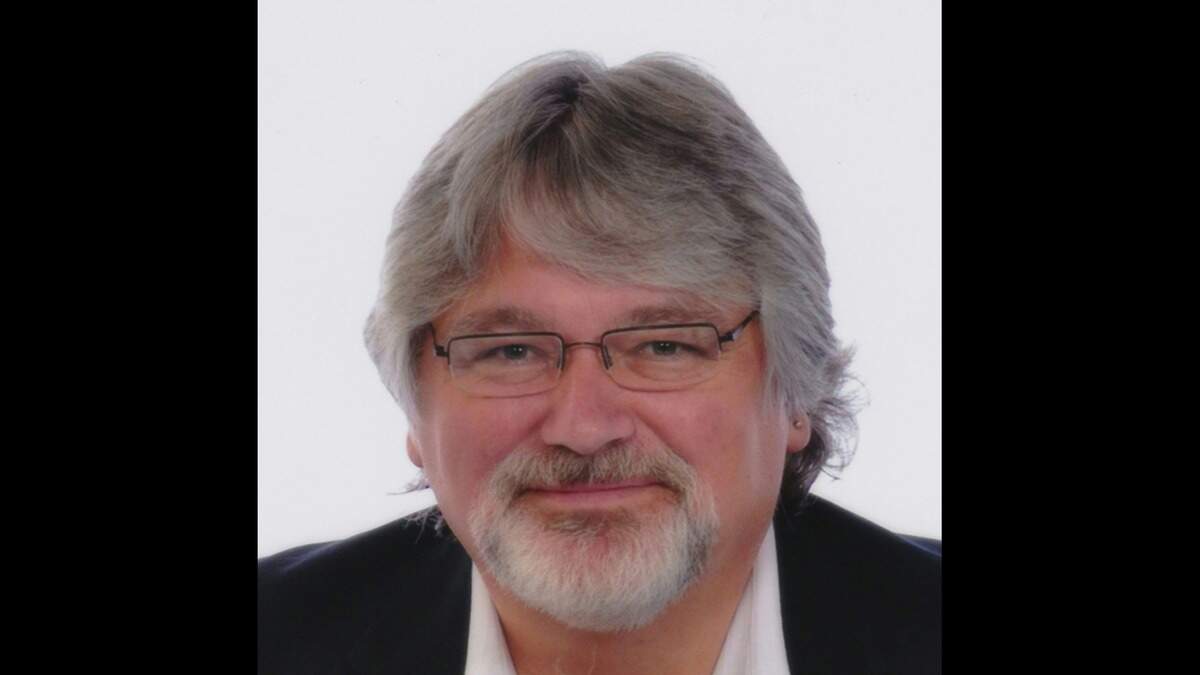
“The department has national and international accreditation,” Riffle, 63, of Meridian, told the Idaho Statesman by phone. “What kind of moron would mess with that?”
Owens was first elected coroner in 2014, taking over from a retiring Erwin Sonnenberg, who was first picked by voters for the job in 1984. Owens declined to comment for this story.
Riffle said he hopes Owens doesn’t take her loss personally, adding that he’s heard the office is well-run.
“I didn’t run against Dotti, I ran for the job,” he said.
For most of election night, Owens was leading the race, though her margin narrowed as more votes were counted. For over an hour after midnight, Owens still had a small lead as delayed results from six precincts were being counted by county workers.
When those final votes came in at 2:30 a.m., Riffle had pulled ahead by 795 votes.
Owens out-fundraised Riffle by nearly five-fold over the past year, including with personal loans, and she outspent Riffle’s campaign by more than five-fold, according to campaign finance records.
Riffle said he snoozed on and off during the night, at one point going to sleep assuming that Owens had won. But then he woke up, checked the results again, and saw that he was on top.
“I was quite pleased that it was tight,” he said. “It shows people care.”
Coroner’s priorities and background
Riffle moved to Meridian five years ago from Oregon, where he spent over 25 years working in law enforcement, he told the Statesman. He was a sheriff’s deputy in Benton County, in west-central Oregon, before briefly becoming chief of police in a small town in the county called Adair Village. After that he moved to Scappoose, northwest of Portland, where he served on the city council before moving to Idaho.
For 15 years of his law enforcement career, he was a certified deputy medical examiner, meaning he could investigate the scenes of suspicious deaths.
While he’s familiar with the coroner’s duties, Riffle said he will need to learn more about Idaho’s system, which is different from Oregon’s and most other states.
Many states like Oregon have an appointed state medical examiner who conducts autopsies and handles bodies. In Idaho, that’s the job of the elected coroner. But many Idaho counties don’t have the facilities to do autopsies and other investigations, and there is no requirement that elected coroners have professional experience with handling dead bodies.
Thirty-three counties contract with the Ada County Coroner’s Office for its services, according to the office.
According to a 2017 analysis by a blog, MCI Maps, coroners in some portions of 21 states are elected in partisan races. Officials in other states who investigate deaths are largely appointed coroners or medical examiners.
Riffle said he is impressed with the office’s staff, and that he hopes to focus on doing outreach to law enforcement and other stakeholders to assess whether all their needs are being met.
“I’m fairly confident the transition is going to go smoothly,” he said.
COVID-19
During the pandemic, some right-wing figures have falsely claimed that COVID-19 death tolls were inflated. Conservatives in Idaho have also fought against public health measures, and county coroners across the state struggled to handle the surge in deaths during the virus’s peaks.
Riffle said he wants the office not to wade into controversy and to stick with the science. But he also said the inflated death numbers may have been true in some places.
“We’ve all heard the stories,” he said. “Did they die from it, or did they die with it? There’s a big difference there. When I heard, as we all did, that the federal government was paying more money for people dying with it, you can’t tell me that no hospitals didn’t pad those numbers.”
A 2020 analysis by FactCheck.org found that hospitals were receiving higher reimbursement rates for treating people with COVID-19, in part because of provisions in the 2020 bill signed into law by former President Donald Trump to help hospitals face the crisis and treat uninsured people, and in part because hospitals get higher Medicare reimbursements when respiratory patients are put on ventilators. But the analysis, and a similar one by PolitiFact, found no evidence that any hospitals had falsified their reports to get more money.
Riffle said he didn’t think padding had happened at hospitals in Ada County, and that it wasn’t “rampant” nationwide, either. If, for any reason, someone were to ask his office to alter its cause of death findings without evidence, he said he would refuse.
“I think politics played a bigger role in the whole COVID thing than it needed to,” Riffle said. “I would fight very hard to make it a non-political issue and stick to the science.”
This story was originally published November 10, 2022 at 1:01 PM.