Idaho infant’s death spurs legislation with new Health and Welfare directives
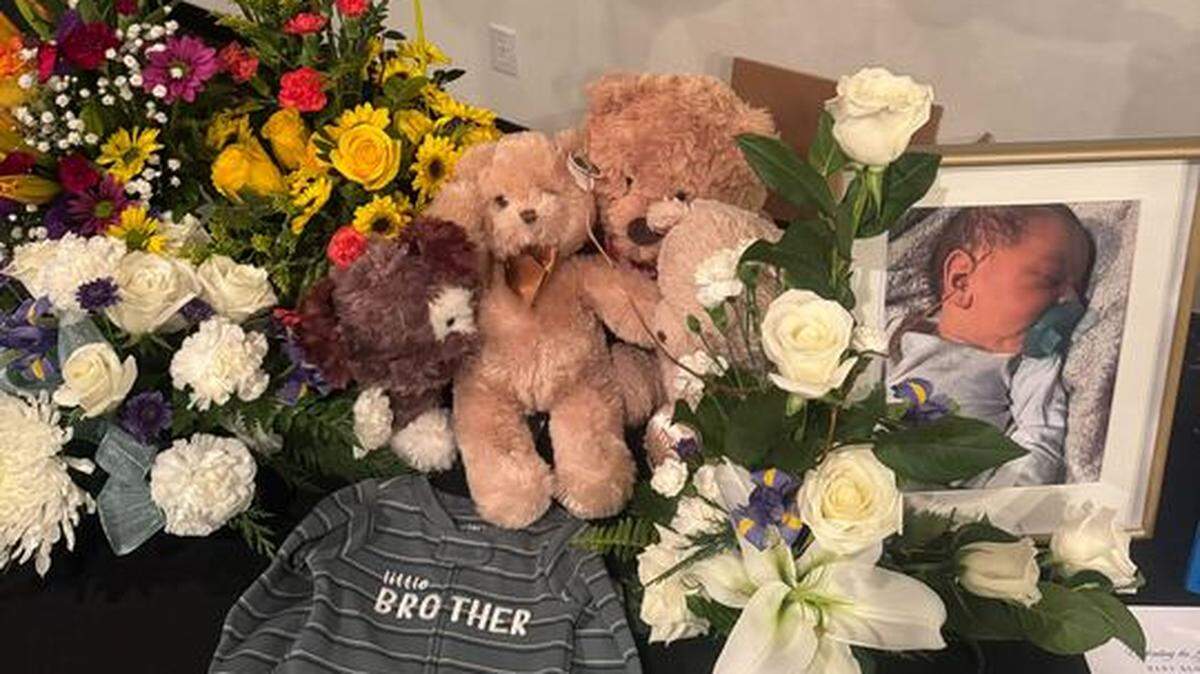
The Idaho Legislature could weigh a law that would provide protections for “at-risk” infants — a law that advocates say could have helped prevent the death of a Nampa 12-day-old born to parents with a documented history of child abuse.
At Wednesday’s House Health and Welfare Committee meeting, Rep. Steve Tanner, R-Nampa, introduced the draft legislation for the Urgent Infant Safety Act, also called Benji’s Law, after the infant who died.
The bill would require the Idaho Department of Health and Welfare to respond more quickly and with escalated action when notified of an infant living with parents or guardians with a “high-risk history” — meaning they have previous convictions of child abuse or sexual abuse, previous parental rights were terminated, or there could be exposure to narcotics use.
Tanner said the bill doesn’t instruct Health and Welfare in any new procedural tasks.
“What this bill does is just ask the department to simply respond sooner to very specific kinds of circumstances,” Tanner said. “In effect, this bill is simply a trigger.”
Advocate: Parents shouldn’t get ‘clean slate’ with a new child
On Dec. 16, the Nampa Police Department found 12-day-old Benjamin dead at a residence on Lone Star Road. After investigating the death, police arrested the parents, Brian Lemke and Allysen Armenta, on Dec. 29 on charges of injury to child, destroying evidence, failure to notify a death, and resisting and obstructing an arrest.
No official autopsy has been released, but court documents indicated that the cause of death was suffocation from co-sleeping.
The parents had several children removed from their custody by the state, records showed. In 2019, both pleaded guilty to three misdemeanor child injury charges in Ada County. At the time of her arrest, Armenta had a warrant for an alleged probation violation related to that conviction.
Following the death of Benjamin, advocates and some legislators called for better protections and guidelines for how DHW responds. Tanner said he crafted the legislation with the help of a group of foster parents who said they believed different rules governing such cases could have prevented Benjamin’s death.
Kevin Watson, one of the parents, told the Statesman in an interview that he believes when a parent has a history of abuse, it shouldn’t be a “clean slate” with a new child, and that the state agency should be informed and involved.
Watson said he wants to make it clear that the bill isn’t intended to expand the department’s authority or dictate decisions, but to flag cases as urgent. He said the department will be able to exercise judgment cases by case.
“This bill doesn’t give the department any more authority or prescribe any particular outcome,” Watson said. “It’s just saying that, ‘Hey, this is a newborn, and the parents have a history here that presents a high-risk factor to have abuse or neglect be repeated, and that the department should check on it.’”
The bill’s language states that Health and Welfare is required to respond within 12 hours of receiving a tip about a child up to one-year-old living with or born to parents or guardians who have a history of child neglect, abuse or sexual abuse, or if the child was born with issues stemming from exposure to narcotics during pregnancy.
The department must make contact with the parents and assess the child’s living conditions.
If the department verifies a high-risk situation, the bill instructs it to assign the case as Priority I, meaning the child is in immediate danger or in a life-threatening situation, and DHW takes action immediately, according to department guidelines outlined in the Idaho Child Protection Manual.
Priority II means a child is not in immediate danger, but allegations of abuse are clearly defined in the report, and the department must respond and make contact within 48 hours of receiving a report. Under Priority III, the department believes the child is in a vulnerable situation or without parental care necessary for safety, and DHS has to respond within three days.
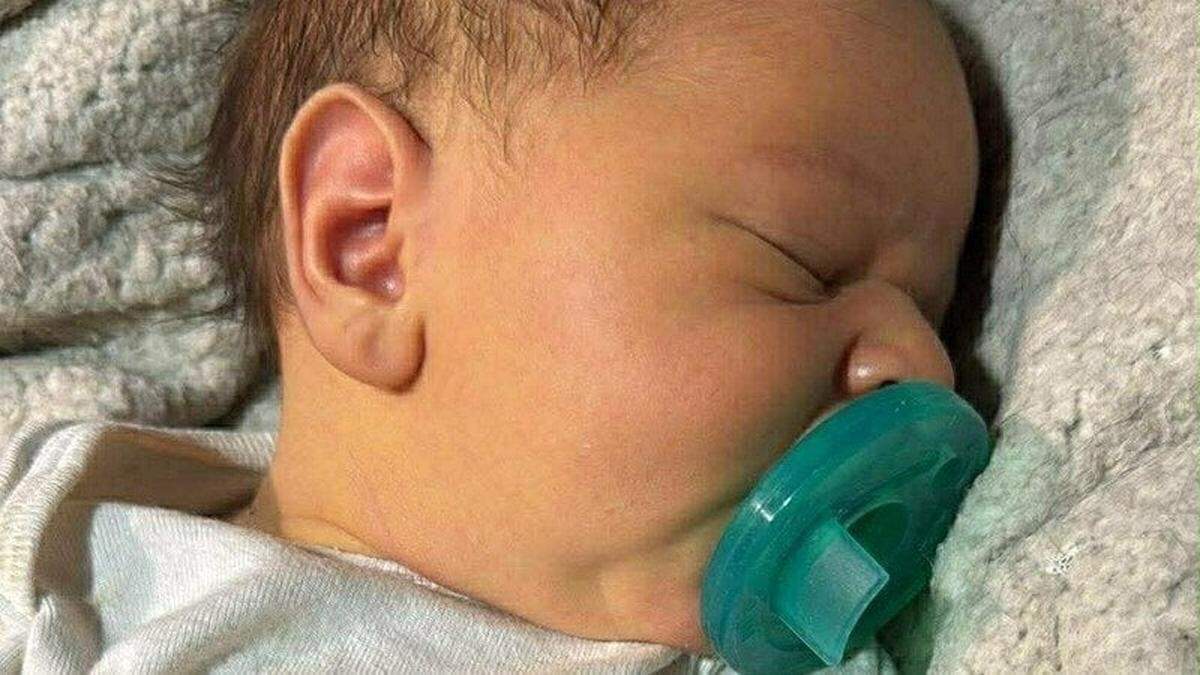
Benjamin’s case was given lowest priority classification
Two days after Benjamin’s Dec. 4 birth, DHW received a report expressing concern for the safety of the infant. The woman who reported the couple is the adoptive mother of three children who were taken from the custody of Lemke and Armenta, she previously told the Statesman.
DHW spokesperson AJ McWhorter told the Statesman that the department designated the case Priority III. Health and Welfare began its investigation and notified law enforcement to confirm the location of the couple and attempt to make contact. Staff members could not confirm their location, he said.
On Dec. 15, a staff member reached Lemke over the phone and asked about making a visit; Lemke said he would follow up with them the next day, but he did not, according to Health and Welfare. In the early hours of Dec. 16, Nampa police received a call from Lemke reporting that the infant was unresponsive.
The Idaho Office of the Ombudsman completed a review of the DHW response in February and determined that the department acted in accordance with Idaho law and established procedures. In its official statement, the ombudsman office said the agencies involved practiced “diligence and urgency within the constraints of existing the guidelines.”
The report also noted that the question of preventability in Benjamin’s death still remains and that legislative or policy changes could be considered to adjust priority levels for similar cases.
Watson told the Statesman that he and the other foster parents questioned why Benjamin’s case was designated with the lowest priority.
“We immediately recognized that there was a problem there and the disconnect, it wasn’t raised to the level of urgency that it needed to be for an infant coming into the care of somebody that had a history like they do,” Watson said. “That didn’t really make sense to us, and didn’t really seem like that is in the best interests of children.”
Watson said the group worked with multiple legislators on various child protection bills for this session, and he hopes Benji’s Law will gain support and be advanced in the Legislature.
“This isn’t really a partisan issue. This is just a safety issue, and it’s a gap in the way that policy is executed, and we’re just trying to provide a little bit better direction,” Watson said.
The House Health and Welfare Committee voted for the draft legislation to go to print. It will go through a full committee hearing next.
This story was originally published February 27, 2026 at 4:00 AM.