Get a text promising a $2,000 tariff rebate check? It’s a scam, Idaho AG says
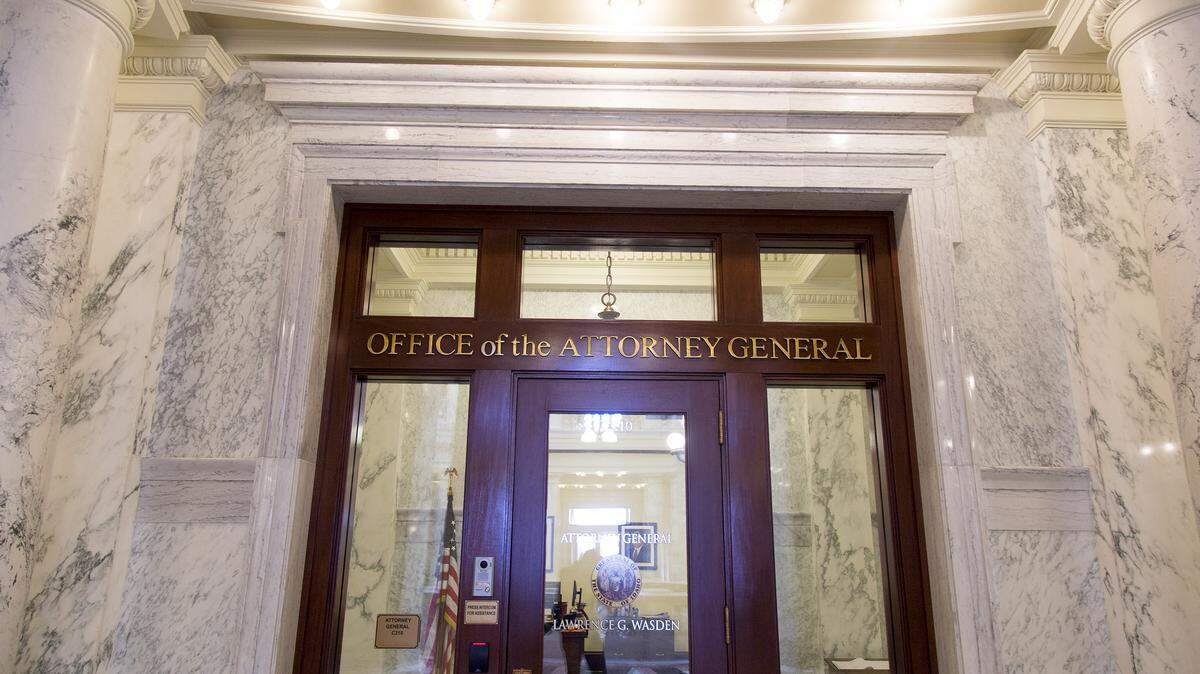
If you recently received a text message claiming you have a big, beautiful tariff rebate check waiting, don’t click any links and don’t respond, the Idaho Attorney General’s Office warns.
According to a press release from the office, many Idahoans have received texts trying to trick recipients into clicking links to claim a $2,000 check. The messages indicate that the recipient’s money will not be sent unless they follow the link and respond immediately.
The hoax follows a familiar pattern. A tariff rebate mentioned by the Trump administration in media reports establishes credibility, creates a false sense of urgency, and promises free money — but only by acting now, or the opportunity is lost.
“Scams like this are all too familiar, especially around the holiday season,” Attorney General Raul Labrador said in the release. “It costs very little for scammers to send billions of these scam texts out across our telecom networks every month in the cynical calculation that some people will get fooled.”
President Donald Trump has spoken a lot about giving out $2,000 rebate checks he says will be funded by his many tariffs. In November, Trump posted on his Truth Social network, claiming, “A dividend of at least $2000 a person (not including high income people!) will be paid to everyone.”
That hasn’t happened.
Kevin Hassett, director of the National Economic Council, said in an interview this month on “Face the Nation with Margaret Brennan” that Congress would have to approve the funds for such a rebate check to American taxpayers. He said he expects Trump might bring an official proposal to Congress in the new year.
According to the state Consumer Protection Division, government agencies do not send text messages offering money or rebates, or demanding payment for fines or taxes. Additionally, any messaging claiming that a response is necessary to receive a payment is a scam, and messages claiming urgent deadlines are also cause for concern.
When unsure about a message, the division encourages people to contact the agency directly using the official contact information, not the link or number in the message.
More information on scam messages can be found on the Idaho Attorney General’s Office scam information website.