
Trump halts efforts to tear out Snake River dams in Eastern WA
AI-generated summary reviewed by our newsroom.
- Trump revoked Biden-era policies aimed at breaching WA Snake River dams.
- Supporters cite dam removal risks to energy reliability, trade and costs.
- Opponents warn reversal threatens salmon recovery and tribal treaty rights.
President Trump signed a memo intended to save the lower Snake River dams in Eastern Washington on Thursday, reversing Biden administration actions that helped support efforts to remove the hydroelectric dams.
Trump said in a memo that his administration was “committed to protecting the American people from radical green agenda policies that make their lives more expensive, and to maximizing the beneficial uses of our existing energy infrastructure and natural resources to generate energy and lower the cost of living.”
He revoked the Biden Administration’s “Restoring Healthy and Abundant Salmon, Steelhead and Other Native Fish Populations in the Columbia River Basin” memo, which Trump’s administration said placed concerns about climate change above the nation’s interests in reliable energy.
Trump’s memo called for a withdrawal from actions that grew out of Biden’s memo, including an agreement between the federal government, the states of Washington and Oregon, and Northwest tribes signed in February 2024.
The agreement stopped short of a federal decision to remove the dams, but supporters and opponents of the dams called it a roadmap to breaching them, according to the Northwest Public Power Association.
Removing the dams from Ice Harbor Dam near the Tri-Cities upriver to Lower Granite Dam near Lewiston, Idaho, “would be devastating for the region,” Trump’s memo said.
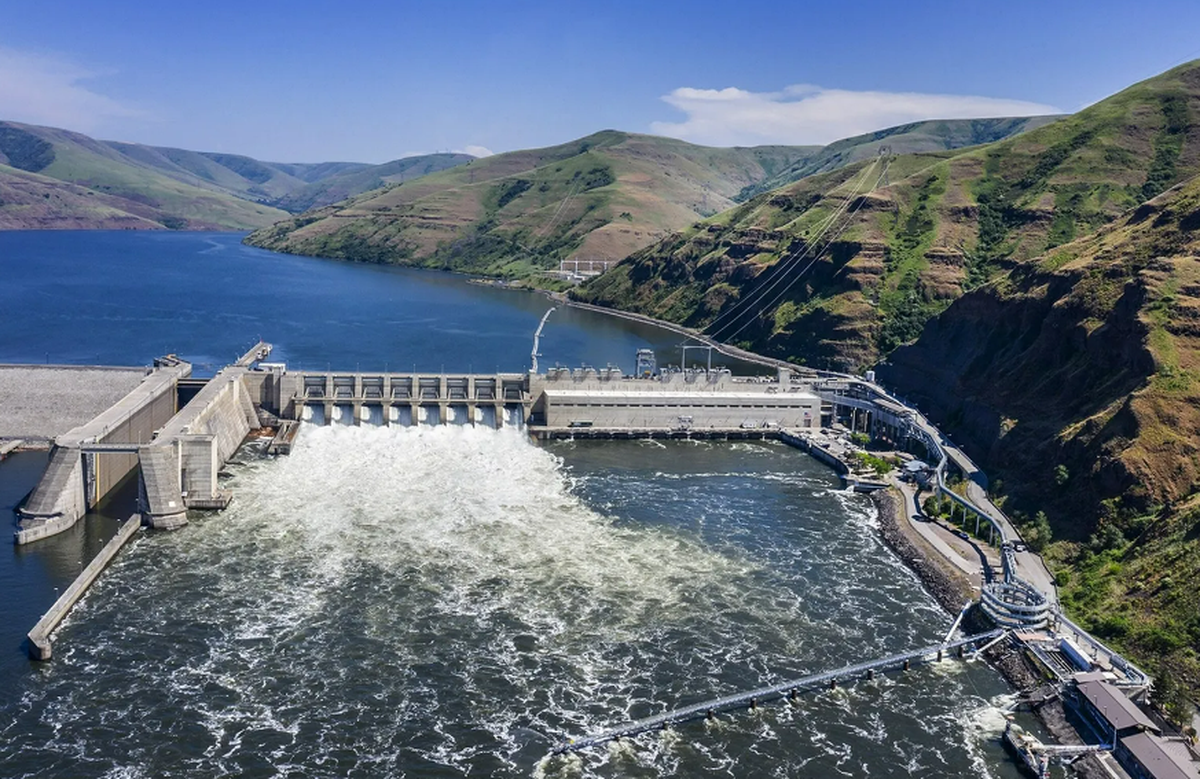
Rep. Dan Newhouse, R-Wash., who has fought to save the dams throughout his decade in federal office, thanked Trump for his “decisive actions.”
Removing the dams would have “threatened the reliability of our power grid, raised energy prices and decimated our ability to export grain to foreign markets,” Newhouse said.
WA senator: Decision shortsighted
But Sen. Patty Murray, D-Wash., said, “Donald Trump doesn’t know the first thing about the Northwest and our way of life .... This decision is grievously wrong and couldn’t be more shortsighted.”
She said the “once-in-a-generation” agreement brokered by the Biden administration put the region on the path to recovering endangered salmon populations, while preserving the benefits of the lower Snake River dams.
The agreement led to a pause in a nearly 30-year-old court case over Columbia River system dams, with the stay now in jeopardy, Murray said.
Under the agreement, the federal government was required to spend more than $1 billion, including $300 million from the Bonneville Power Administration, over a decade to restore native fish and their habitats.
The Department of Energy would help develop tribal sponsored clean energy infrastructure to help replace hydropower production should the four dams be torn down.
Studies would be conducted by the federal government or with federal funding on how the services now provided by the dams could be replaced, including the barging of farm products and other goods, irrigation, recreation and electricity production.
Reaction to Trump’s announcement was mixed, with those who rely on the dams supportive of Trump’s decision and environmental interests unhappy.
Support for Trump’s decision
Here’s what those supporting Trump’s decision had to say:
▪ Biden administration policies put the Snake River dams on a path to being destroyed, which would have cost tens of billions of dollars and eliminated a reliable source of electricity the state will need to meet rapidly increasing demand, said Todd Myers, vice president for research of the Washington Policy Center.
He pointed out that the Trump administration estimated that the destruction of the dams would have eliminated more than 3,000 megawatts of secure and reliable hydroelectric generating capacity. That is enough electricity for 2.5 million homes.
Much work remains to recover salmon on the Snake River, but fixating on the Snake River dams and hoping that their removal will be a silver bullet is not the answer, he said.
▪ The agreement brokered by the Biden administration that Trump is now rolling back was negotiated in secret, with participation from public power utilities deliberately excluded from discussions, said Kurt Miller, executive director of the Northwest Public Power Association.
“(It) was never authorized or endorsed by the people or communities most affected by increasing energy costs,” he said.
Losing the hydropower from the four lower Snake River dams could increase electricity rates by 40% or more for many communities and increase the risk of regional blackouts, he said.
The next steps don’t need to involve the courtroom, he said.
“Across the region, public power utilities are working side by side with tribes and conservationists to improve fish passage, restore habitats and innovate hatchery practices — all while maintaining the clean energy backbone of the Northwest,” he said.
▪ “Hydroelectric power is the reason the lights stay on in the region,” said Jim Matheson, chief executive officer of the National Rural Electric cooperative Association.
The association said that the dams are a critical source of reliable, always-available electricity for the Pacific Northwest and were jeopardized by the Biden administration.
▪ The Washington Association of Wheat Growers said the actions resulting from Trump’s announcement reflect an understanding of not only family farmers and ranchers, but the regional economy.
More than 60% of Washington wheat exports are transported by river barges, it said.
Opposition to Trump’s decision
Here is what opponents of the dams had to say:
▪ Margaret Townsend, attorney for the Center for Biological Diversity, predicted a return to more costly litigation over management of the hydroelectric system in federal court.
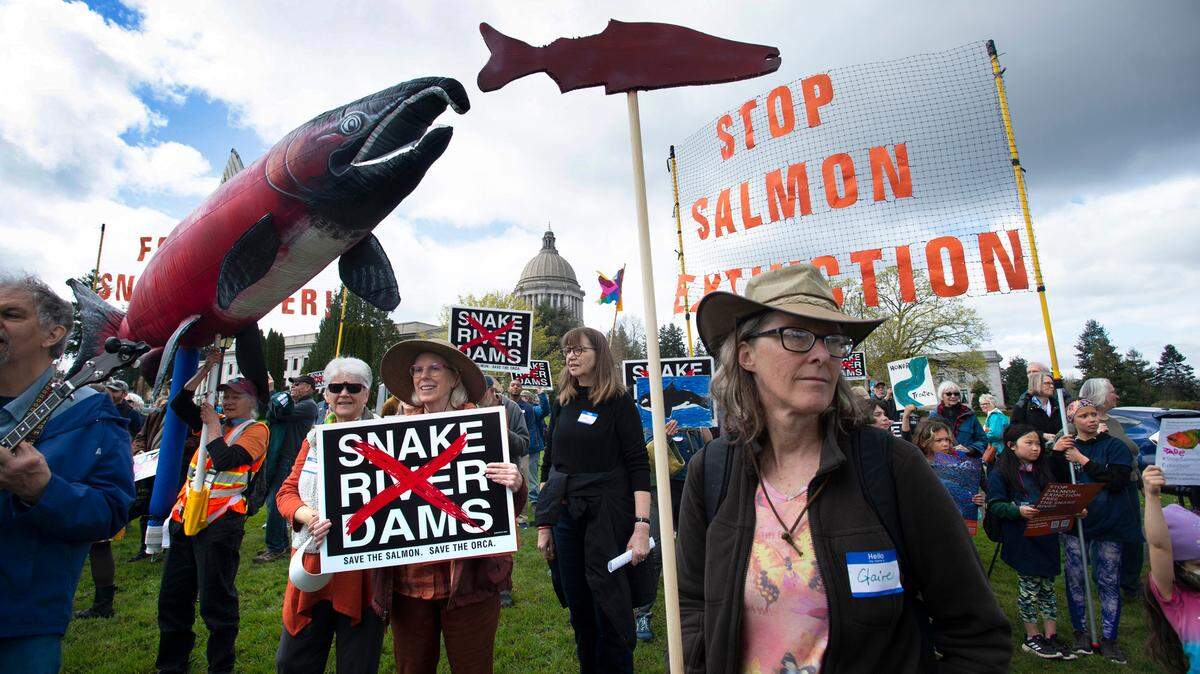
“Trump’s reckless move to scrap this settlement puts imperiled salmon, southern resident orcas and tribal treaty rights at even greater risk,” she said. “The deal marked real progress toward removing the four lower Snake River dams, which is critical to restoring the Columbia Basin and saving rare wildlife from extinction.”
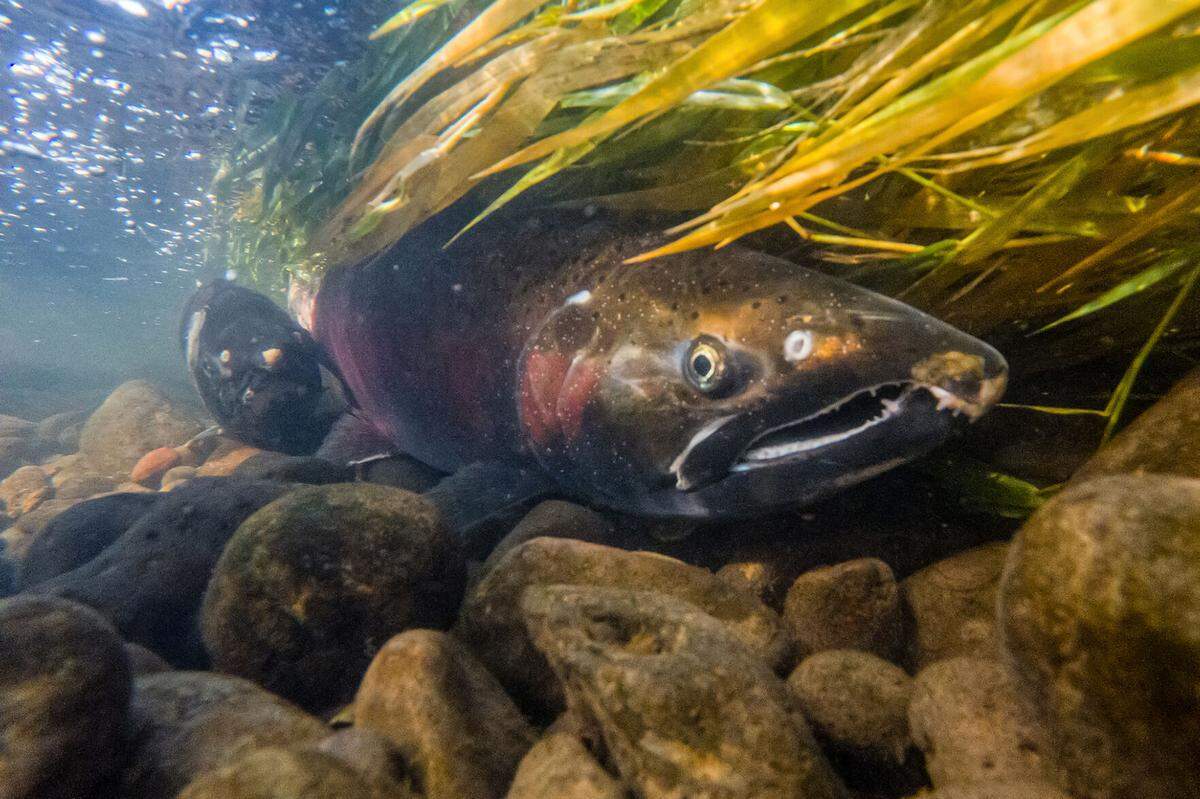
The endangered southern resident orca whale population feeds primarily on chinook salmon along the Washington coast.
“Tearing up the agreement ignores science and tribal sovereignty, and one big result will be more costly litigation,” Townsend said.
▪ Trump’s announcement echoed the federal government’s historic pattern of broken promises to tribes, said Gerald Lewis, Yakama Tribal Council chairman.
“The federal government’s historic river management approach is unsustainable and will lead to salmon extinction,” he said. “Courtroom battles cannot provide the innovative, holistic solutions we need.”
Terminating the agreement brokered by the Biden administration “will severely disrupt vital fisheries restoration efforts, eliminate certainty for hydro operations, and likely result in increased energy costs and regional instability,” Lewis said.
▪ Earthjustice said the Biden administration agreement among federal, tribal and state governments was an unprecedented opportunity and the Northwest’s best path forward to solve complex regional issues.
It offered a way to restore imperiled salmon populations while planning ahead to modernize infrastructure and replace the benefits provided by the lower Snake River dams.
“This administration may be giving up on our salmon, but we will keep fighting to prevent extinction and realize win-win solutions for the region,” said Earthjustice Senior Attorney Amanda Goodin.
▪ The Biden administration agreement set the Northwest on a path to restore a strong fishing economy and honor tribal treaty rights,” said Liz Hamilton, policy director of the Northwest Sportfishing Industry Association.
“It’s a big loss for the Northwest’s economy, and a dagger to the heart of our industry,” she said. “The sportfishing industry is a cultural and economic engine generating over $5 billion in economic output for the region, creating jobs for nearly 37,000.”
▪ Wild Columbia and Snake river salmon exist on borrowed time, said Greg McReynolds, Idaho Rivers United’s executive director.
“The administration’s decision to abandon these commitments is exceptionally shortsighted and deeply troubling,” he said.
▪ Miles Johnson, legal director of Columbia Riverkeeper, agreed that Trump’s decision was shortsighted, but said it would interrupt, but not derail, “strong partnerships for salmon recovery and lower Snake River dam removal.”
This story was originally published June 12, 2025 at 5:55 PM with the headline "Trump halts efforts to tear out Snake River dams in Eastern WA."