Tarot TikToker must pay $10M to professor she accused in Moscow murders, jury says
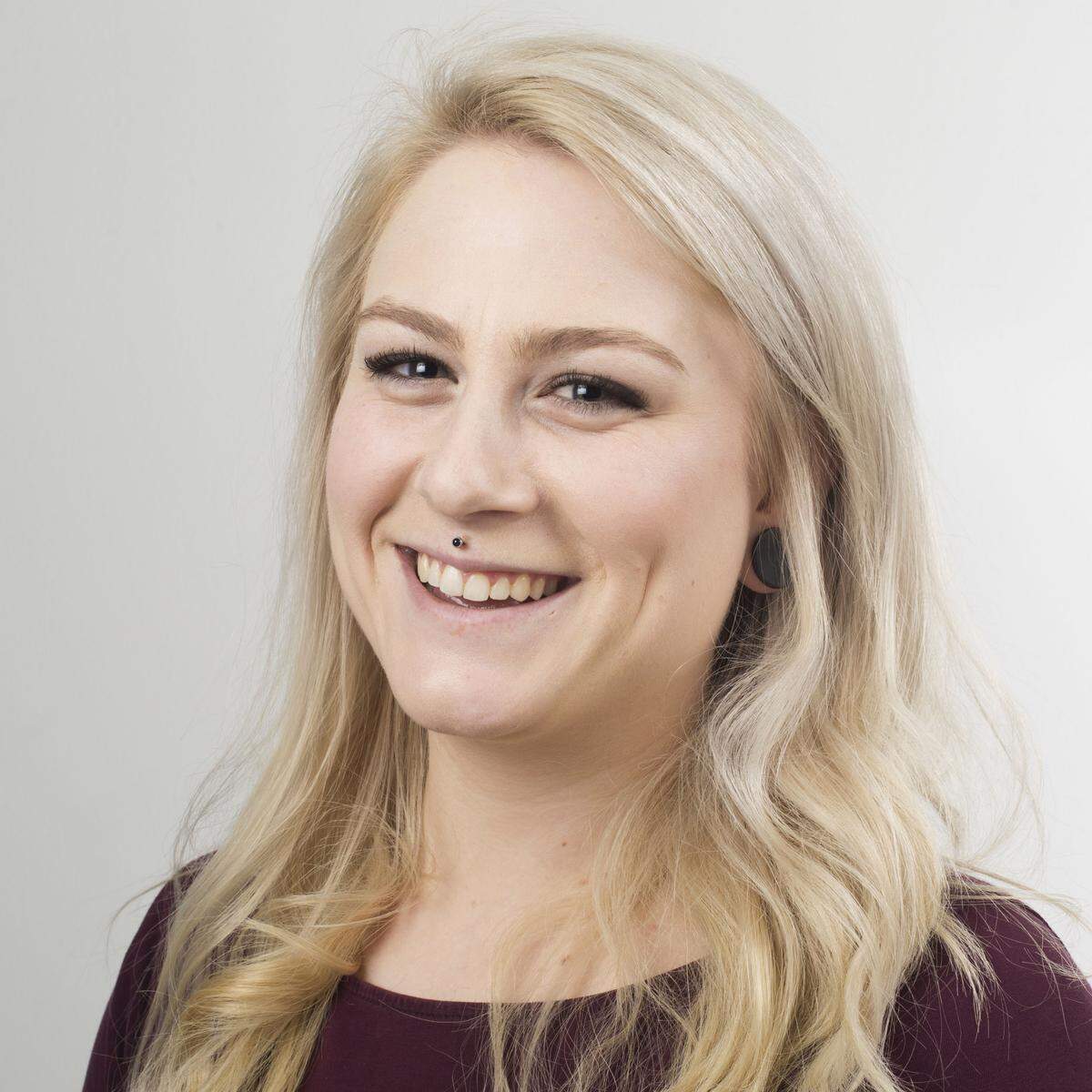
A jury in Boise awarded $10 million in damages Friday to a University of Idaho professor who sued a Texas woman for defamation over fabricated claims she repeatedly made on social media that the academic was responsible for the Moscow college student murders.
The jurors deliberated for just under two hours before handing down their decision, which awarded professor Rebecca Scofield far more than what her attorneys asked for in their closing argument.
Scofield, 40, testified this week during a four-day federal trial over monetary damages that she developed severe anxiety, PTSD and intense nerve pain throughout her body as a direct result of the false public accusations. The Moscow resident said the physical and emotional impacts made it difficult for her to work in her position as chair of U of I’s history department, and also caused irreversible reputational harm.
About two weeks into the investigation of the four students’ stabbing deaths in November 2022, defendant Ashley Guillard, 41, of Houston, created a series of videos she posted to TikTok in which she blamed Scofield.
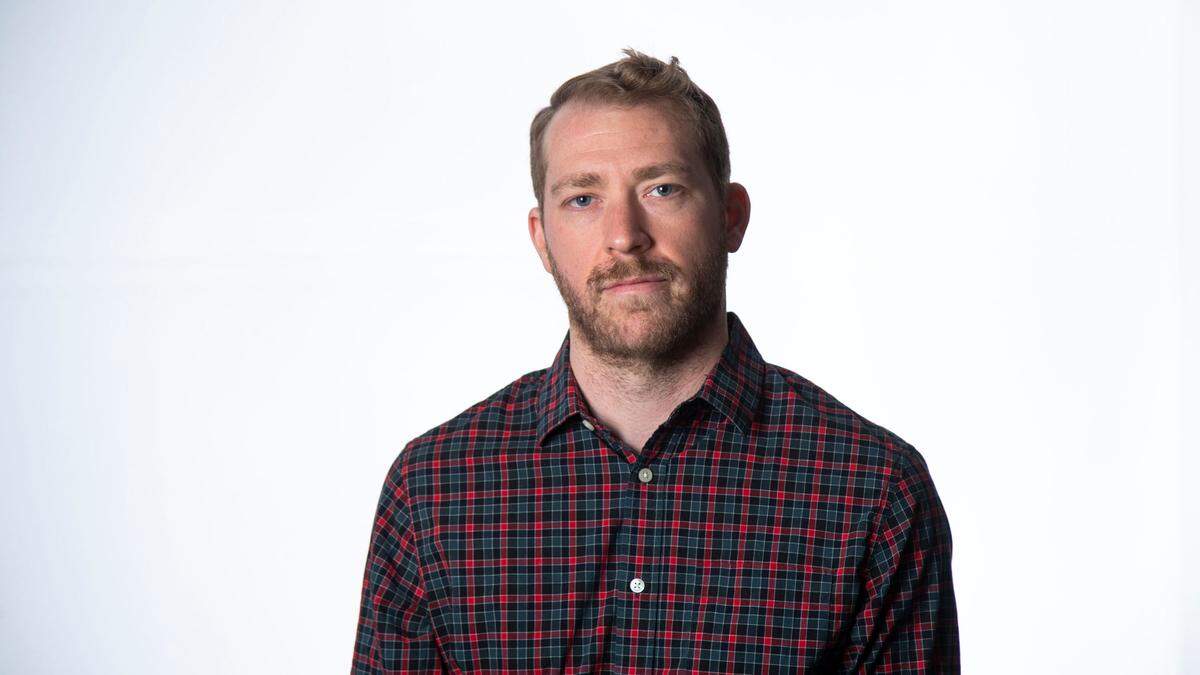
Guillard — who made her first visit to Idaho and represented herself at trial — believes herself to have psychic abilities and testified that she read tarot cards to try to help solve the shocking homicides that upended the rural college town and generated international attention.
Guillard’s readings led her to Scofield, she said, and her videos continued with similar unsubstantiated accusations all the way up until August 2025. Without evidence, Guillard posted photos and contact information for Scofield with claims that she had an affair with one of the female victims and tried to cover it up by ordering her death.
The seven-member jury, composed of four women and three men, ruled unanimously for the dollar figure directed to Scofield. The bulk of the sum — $7.5 million — is for punitive damages, which are intended to punish the defendant and deter her and others from similar behavior in the future.
The remainder of the damages were compensatory, meaning they covered actual losses, including economic costs, such as medical bills, and noneconomic costs, such as mental and emotional pain and suffering.
The financial total outstrips some other recent high-profile civil cases in Idaho. In 2024, a drag performer received $1.1 million in damages in a defamation case. Later that year, a jury awarded $4 million in damages to a coffee shop owner in a longstanding dispute with Boise State University.
In 2023, far-right activist Ammon Bundy and an associate were ordered to pay $52.5 million in damages to St. Luke’s Health System in a defamation case.
During closing arguments Friday, Scofield’s attorneys asked for an award of $1 million in compensatory damages and left the total for punitive damages for the jury to decide. Scofield had previously asked for more than $1.8 million.
In a statement provided to the Idaho Statesman via email, Scofield thanked the jury and said she hoped to return to a more normal life in Moscow. The professor, who appeared tearful following the verdict reading in court, said the jury’s decision “sends the clear message that false statements online have consequences in the real world for real people and are unacceptable in our community.”
“The murders of the four students on November 13, 2022, was the darkest chapter in our university’s history,” Scofield added. “Today’s decision shows that respect and care should always be granted to victims during these tragedies.”
Bryan Kohberger, a Ph.D. student at Washington State University in nearby Pullman at the time of the murders in Moscow, was arrested in late December 2022. He pleaded guilty to the crimes in June 2025 in a deal to avoid the death penalty and is now serving four life sentences with no chance of parole at Idaho’s maximum security prison south of Boise.
In the professor’s civil suit, Chief U.S. Magistrate Judge Raymond Patricco for the District of Idaho already ruled for Scofield in June 2024. This week’s jury trial at the federal courthouse in Boise, also overseen by Patricco, was held solely to determine how much money Guillard was required to pay Scofield.
Guillard took the stand to explain ‘spiritual journey’
On the last day of trial Friday, Guillard presented her defense and called just one witness — herself. The unique situation played out similarly earlier in the trial when Scofield’s lead attorney, Wendy Olson, a former U.S. attorney for Idaho, presented the plaintiff’s case and called Guillard to the stand. Guillard then cross-examined herself in a question-and-answer format before jurors.
Guillard began her defense with a deep dive into her background as an Army veteran who later earned bachelor’s and master’s degrees in fields related to business and human resources. She said she was working as an HR specialist for the federal government when she decided she wanted something different for herself and quit her job to begin a “spiritual journey.”
She said she decided to leave her husband and pursue spirituality full time, during which time she first learned about tarot as well as various religions and other beliefs, including numerology, which assigns relationships between numbers and life events.
Guillard said she watched YouTube videos to train herself to read tarot cards. She practiced on herself and by watching reality TV shows to predict their outcomes, she said.
Throughout her self-directed testimony, Guillard sought to convince the jury that she believed everything she said in her tarot-reading videos about the U of I professor was true. She said when she began making TikTok videos about the case and Scofield in November 2022, she expected to raise awareness about the murders and push authorities to investigate potential leads.
Scofield, an Emmett native, told the court earlier in the week that the experience of seeing Guillard’s TikToks was like reading the plot of a book or movie, but being one of the characters and having zero control over the outcome. Over time, the videos became more elaborate and included expanded details about her personal and professional life.
“There was a moment where it felt like I lost ownership of my face and my name, and it was no longer stitched to my body,” Scofield testified, contending with her emotions. “It was utterly terrifying.”
Olson noted that Guillard didn’t contact authorities — the Texas woman submitted an FBI tip on Dec. 10, 2022 — until she had made multiple videos about Scofield. Guillard also continued to make videos after receiving cease-and-desist letters from Scofield and her attorneys, and after the Moscow Police Department issued a statement that said it did not suspect any involvement from Scofield.
“On Dec. 27, 2022, when MPD wrote a statement that they didn’t believe she was involved, I kind of lost a little bit of hope that she would be investigated, but something in me wouldn’t allow me to give up,” Guillard said during her testimony.
Guillard told jurors she tried to gain access to case information but was denied by law enforcement and court officials. Olson noted that Guillard’s attempts to gain more information, including a records request to Moscow police and a motion for access to documents in the Kohberger case, weren’t submitted until 2025 — nearly three years after she accused Scofield and after Kohberger had already been arrested and, in one case, admitted guilt.
As Olson cross-examined Guillard, she asked the TikToker if she had control over the statements she made when she didn’t have facts to support them.
“It was my understanding that I do not have to hold facts or documents to exercise speech,” Guillard replied, and added that tarot readings are “opinion at best.”
In her closing argument, Olson said Guillard ultimately made 112 videos about the University of Idaho murders, the last of which was posted in August 2025, and called Scofield’s experience a nightmare that “has never ended.”
In stark contrast, Guillard’s closing denied any impact on Scofield. The Texas woman said she was serving the public by using her videos to get justice for the victims of the murders, and claimed her accusations against Scofield were justified.
“It is reasonable in my shoes that I believe Scofield to be a part of these murders,” Guillard said. “It is reasonable for a person to want to warn the public if they think a killer is on the loose and still a part of the community.
“… Any suggestion that her life was interrupted was her own choice.”
Trial included testy exchanges, emotional testimony
The jury in the professor’s damages trial started the week with eight members, but one — a lawyer who was co-counsel with Olson on an unrelated case — was forced to step away Thursday because he had a personal matter arise, Patricco told the court.
Two female jurors also had ties to the case: One had previously seen some of Guillard’s TikTok videos about Scofield when they first posted; the other has a younger brother who attends U of I and knew one of the four murder victims, she said.
On Thursday, Olson put on the bulk of her client’s case. She called to the stand expert witnesses on public relations and Scofield’s therapist the past two years, who diagnosed her with post-traumatic stress disorder and other mental health issues. She also called Scofield’s best friend and her husband, and closed with tearful testimony from her mother.
As a result of Guillard’s videos, Scofield and her family chose to skip attending a November 2022 vigil in honor of the four murdered students on the U of I campus to avoid any undue attention, her mother testified. The professor and her family were not granted the chance to process the tragedy with their grieving community and feel as connected to Moscow, where they chose to make their home, Scofield’s husband testified.
With each witness, Guillard — in her role as her own attorney — challenged their testimony in sometimes testy back-and-forths that had to be refereed by the judge and court staff.
“You created the threat by calling her a murderer when she was not,” said Scofield’s mother, Margie Scofield, raising her voice at Guillard on Thursday. “She’s been harmed in so many ways, beyond accounting. ... Do you not understand how much harm?”
More than three years later — seven months after Kohberger was sentenced for the Moscow student murders— at the federal courthouse in Boise, Guillard and Scofield came face to face for the first time. They spoke only when Guillard cross-examined Scofield on the stand, and locked eyes.
“You spoke lies into a camera, about me and my husband,” Scofield told Guillard. “You were making (dozens) of videos about me, someone you never met, you never talked to — someone you had no connection to. I don’t know how anyone could not feel threatened by that level of interest from someone they had never met.”
This story was originally published February 27, 2026 at 4:16 PM.