This Boise lab used to ship bird flu samples to CO. Now it gets results in hours
Since bird flu was first detected in Idaho cattle in March 2024, officials at the State Department of Agriculture have had to ship milk samples from dairies around the state to laboratories in Utah, Colorado and Washington state for testing.
The shipments delayed test results and response times to the highly contagious disease as it infected an industry worth billions of dollars to the state.
Not anymore.
The agency’s Animal Health Laboratory off Old Penitentiary Road in East Boise earned an important distinction in June that now allows it to test milk samples collected in Idaho for avian influenza. The laboratory was accepted as a member of the National Animal Health Laboratory Network, the first in the state to earn the designation, after several years of preparation and the opening of the laboratory’s new building in 2022.
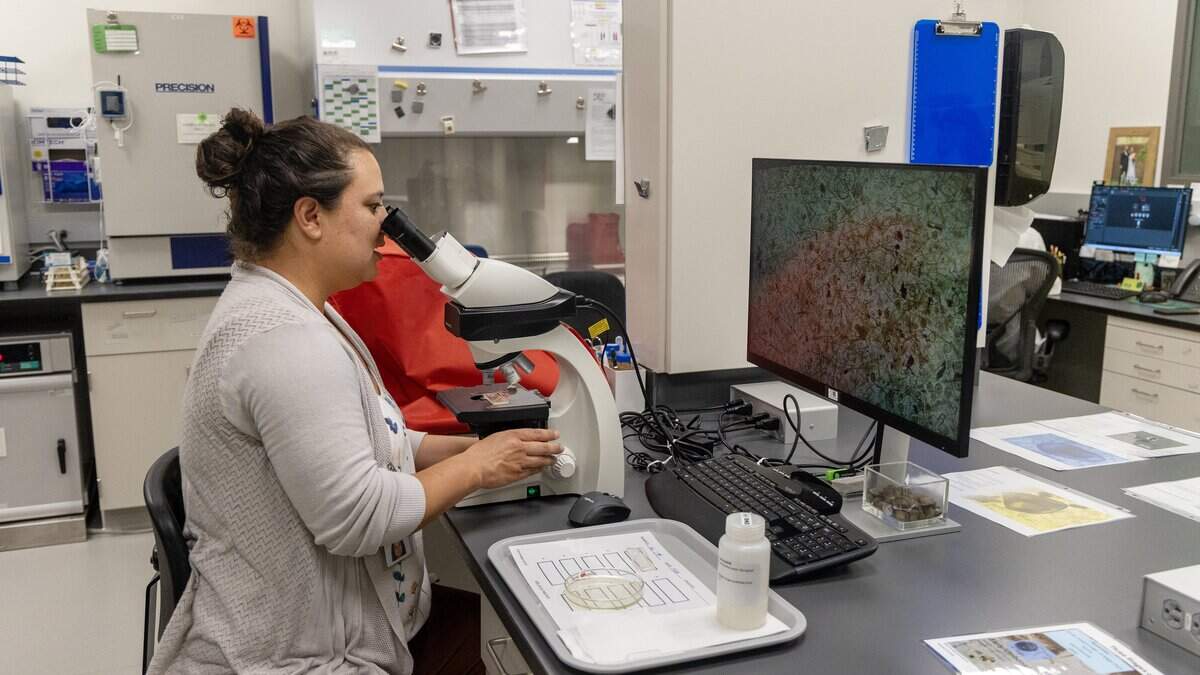
The network is a nationally coordinated system of five dozen federal, state and university-affiliated laboratories that conduct early detection testing.
“It costs money and time to send those samples,” Dr. Scott Leibsle, the state veterinarian, said during a tour of the lab on Tuesday. “The value in the return to the livestock industries of this state is immeasurable. If there is an issue, they can call me or I can come over and talk to them, and I can get answers to producers multiple factors quicker than we previously would.”
Leibsle said the recognition highlights the state’s ties to agriculture.
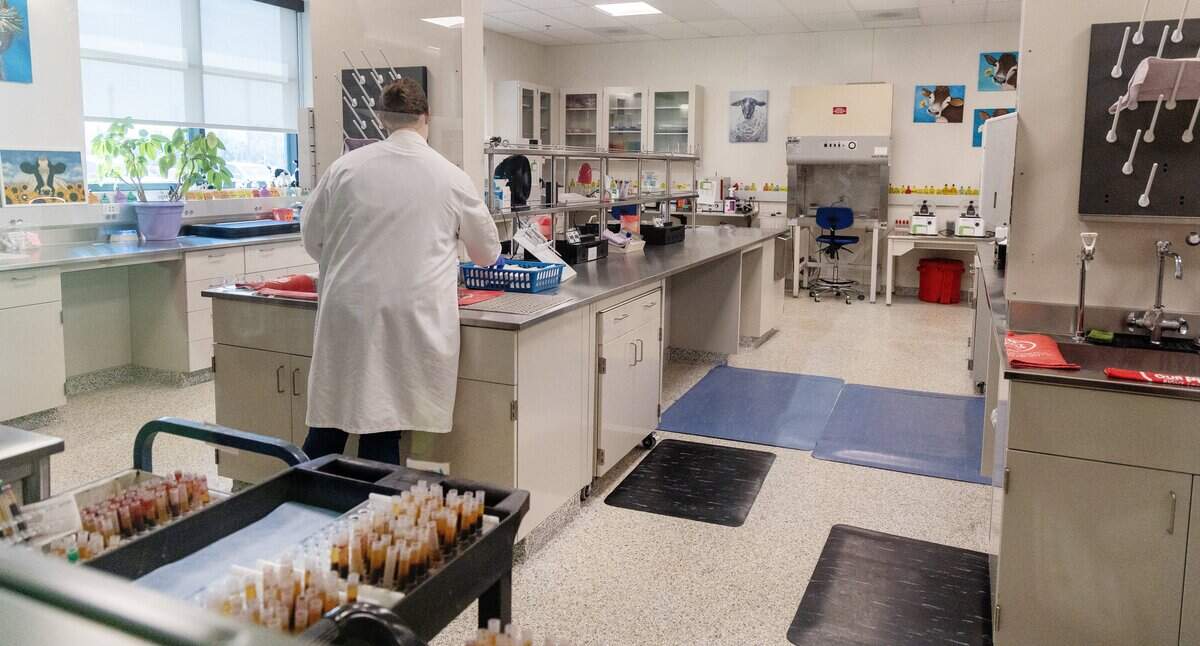
To date, the laboratory has received about 3,345 avian influenza samples for testing, according to Dan Salmi, the laboratory bureau chief.
“This is the same technology that they were doing your COVID tests with, where you could get results in less than two hours,” Salmi said. “This is kind of the direction where a lot of disease diagnostics is going. The PCR molecular-based testing can give you results in a couple of hours.” (PCR, or polymerase chain reaction, tests analyze genetic material.)
The laboratory plans to expand its testing authorized by the network to include other animal diseases in the coming months, according to a news release. About 20 people work at the laboratory.
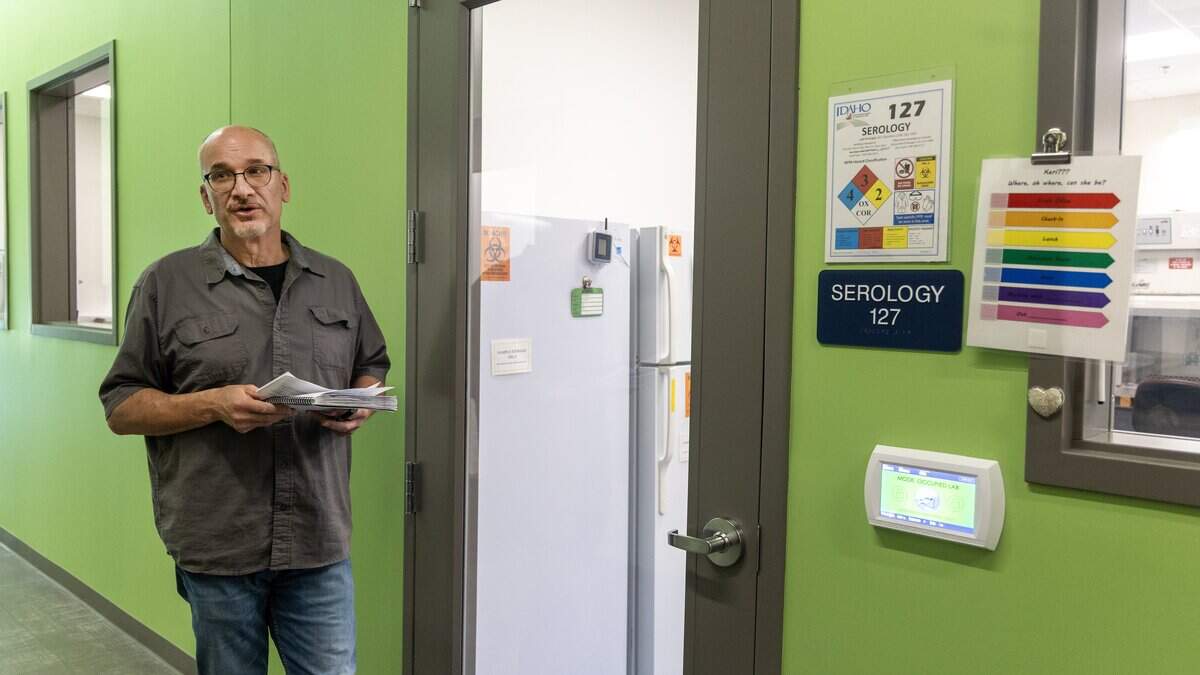
In the warmer months, it does frequent testing for quagga mussels, an invasive species that can spread quickly and clog drinking-water pipes.
The laboratory also already tests samples for brucellosis, a bacterial infection that mostly affects animals; and trichomoniasis, a disease transmitted through sexual contact between infected bulls and cows that affects their reproductive health. Idaho was the first in the nation to develop a surveillance and control program for trichomoniasis, according to Leibsle.
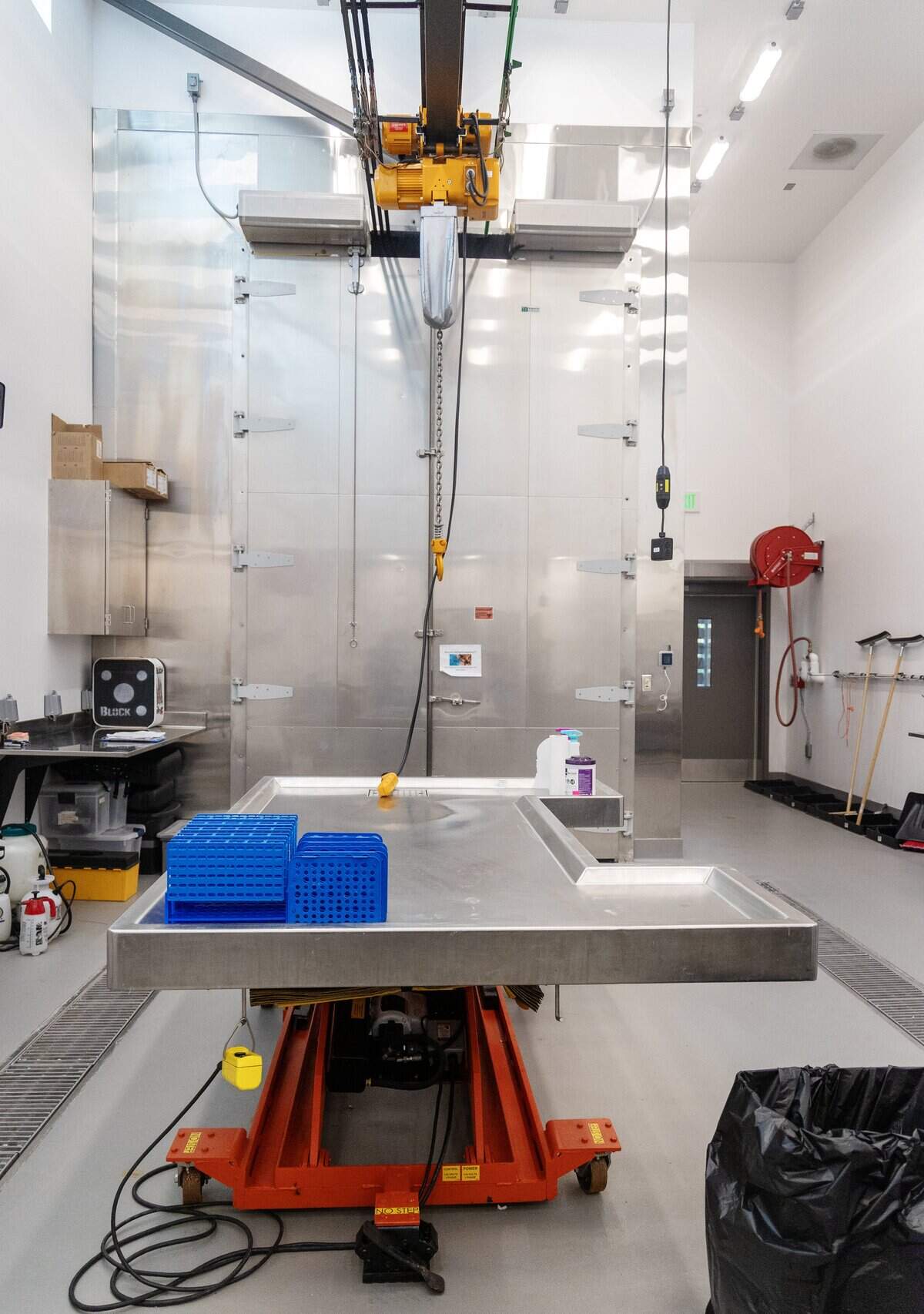
“About 30 years ago it was a huge problem, and producers were losing production value because cattle were infected with this,” he said.
So the laboratory developed a statewide mandatory testing program in response.
“Now, I would bet you we do more tests than any other state in the nation on this,” Leibsle said. “We’re also one of the cheapest labs in the West where you can get it done. This lab has got so many different opportunities that give back to the industry.”
This story was originally published July 30, 2025 at 4:00 AM.