This Boisean knows value of birthright citizenship. Trump’s order has him speaking up
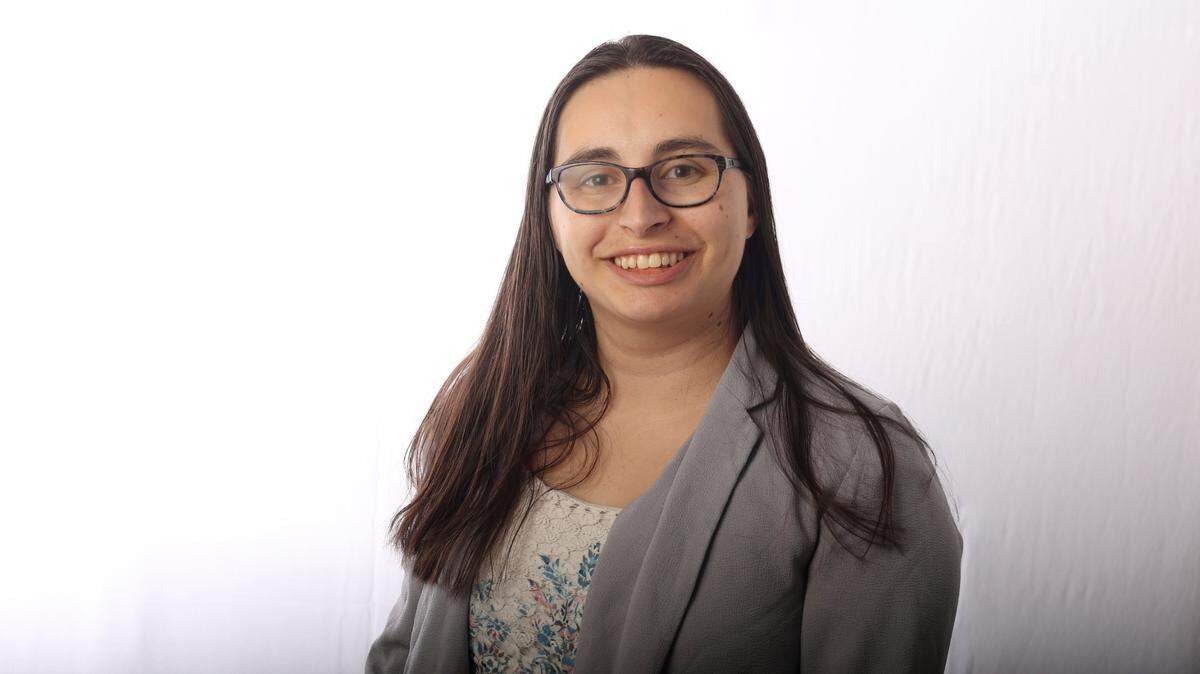
Edgar Lara is a musician, designer and Idahoan. He’s also an American citizen.
Lara, from Orange County, California, was born to parents who relocated from Mexico. His citizenship has opened doors for him that may otherwise have been closed.
“It helped me start a business. It just helps me be an American, free speech, not be scared to do certain things,” Lara told the Idaho Statesman. “I think that kids should be free to get it to be someone in life and have the privilege to actually climb that ladder.”
Lara’s father was a citizen at the time of his birth, and his mother became a citizen when he was a kid, he said. Though President Donald Trump’s executive order eliminating birthright citizenship wouldn’t affect someone in his circumstance, he called it “bulls--t.” The rhetoric around immigration frustrates Lara, he said.
Birthright citizenship is most well known from the Constitution’s 14th Amendment, which says that all persons “born or naturalized” here and “subject to the jurisdiction thereof” are U.S. citizens.
When America ratified this language, it invalidated the infamous Dred Scott decision that said Black people couldn’t be citizens.
Trump signed an executive order on his first day in office to try to eliminate birthright citizenship for those whose parents are not authorized to be in the country. Judges have quickly issued injunctions blocking the order in response to several lawsuits, according to The New York Times.
The order from Trump would apply only to new births, not those who have received citizenship previously.
On Feb. 3, a group of 18 Republican state attorneys general — including Idaho’s — filed a friend-of-the-court brief saying that “disastrous” immigration policies have transformed every state into a border state. The 18 states called the current state of immigration an “invasion.”
“Removing the incentive for illegal aliens to give birth in America will reduce illegal immigration. In turn, this will reduce States’ costs from illegal immigration and births by illegal aliens,” the brief said.
Other countries in the past few decades have changed their citizenship processes, all after upticks in immigration, according to The New York Times.
In a statement, Idaho Attorney General Raul Labrador asserted that “fueling illegal immigration with the prize of citizenship” wasn’t the amendment’s original intent.
“It was done to ensure that slaves and children of slaves born in America and under the jurisdiction of American laws would be considered citizens,” Labrador said in the statement.
However, birthright citizenship existed before the 14th Amendment, according to Geoffrey Heeren, a University of Idaho professor of law. That amendment made it “crystal clear” that all persons, including formerly enslaved people, were citizens if born here, Heeren said.
In an 1898 case, United States vs. Wong Kim Ark, the Supreme Court held that the children of Chinese immigrants were citizens, according to The Atlantic. Immigration categories at the time were different, but Chinese immigrants were ineligible to naturalize and were deportable, similar to today’s unauthorized immigrants.
People have used the rhetoric of an “invading army” before, including during times of increased Chinese immigration, Heeren said.
“It is settled law,” Heeren said of birthright citizenship. “There are a lot of people who … would be left outside the mainstream. That’s also really inconsistent with what Congress wanted with the 14th Amendment.”
About 9% of Idaho births were to immigrants, according to a 2018 analysis by the Center for Immigration Studies. The analysis used data collected between 2012 and 2016 and estimated births to immigrants without documentation at 5.9%.
Lara’s parents arrived in the United States in the 1980s, he said. They came for opportunities and a better living, and wanted a better future for their family.
After he was born in California in 1991, Lara moved to Mexico briefly, then to Nevada. By late elementary school, he moved to Idaho.
“It’s a really nice place to grow up, it’s really peaceful, there’s not a bunch of crime,” Lara said. “I’d ride my bike everywhere, I’d stay late.”
The experience was mostly good, Lara said, but it was a little hard to be one of the few Latinos in Boise. Kids could be “brutal,” Lara recalled.
“I definitely got bullied in school for being Mexican,” Lara said. “As a kid, I was all about my roots.”
He’s always loved Mexican music. But visiting Mexico was a different experience.
“You just feel like you’re part of it. You don’t feel like an outsider. You actually feel like you belong somewhere,” Lara said. “Living here, you feel like an outcast, and when I went to Mexico, it just felt so right to see the music in motion, people dancing, nobody criticizing it.”
He bases the music he makes now on Cumbia, though mixed with other genres. In recent years, he has performed at Treefort under the name Lobo Lara. He’ll be back at Treefort again this March, he said.
He said he’s seen how immigrants can be taken advantage of — working less-desirable jobs, getting underpaid, living in hiding. His parents have worked jobs others don’t want, not making lots of money. But Lara was happy as a kid, and his parents enrolled him in sports and other activities, he said.
People just want to work, survive and help their families, Lara said.
“That’s a huge privilege that I have,” Lara said. “How are you supposed to progress in life without a citizenship?”