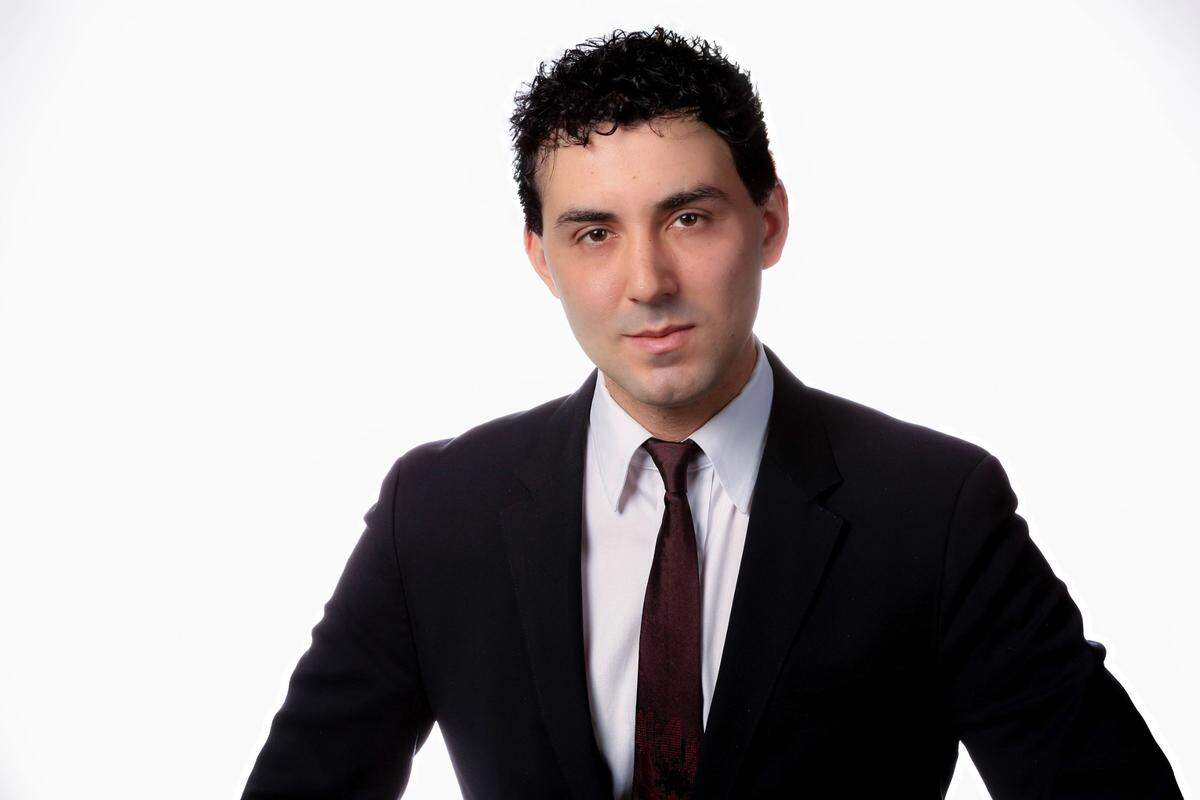
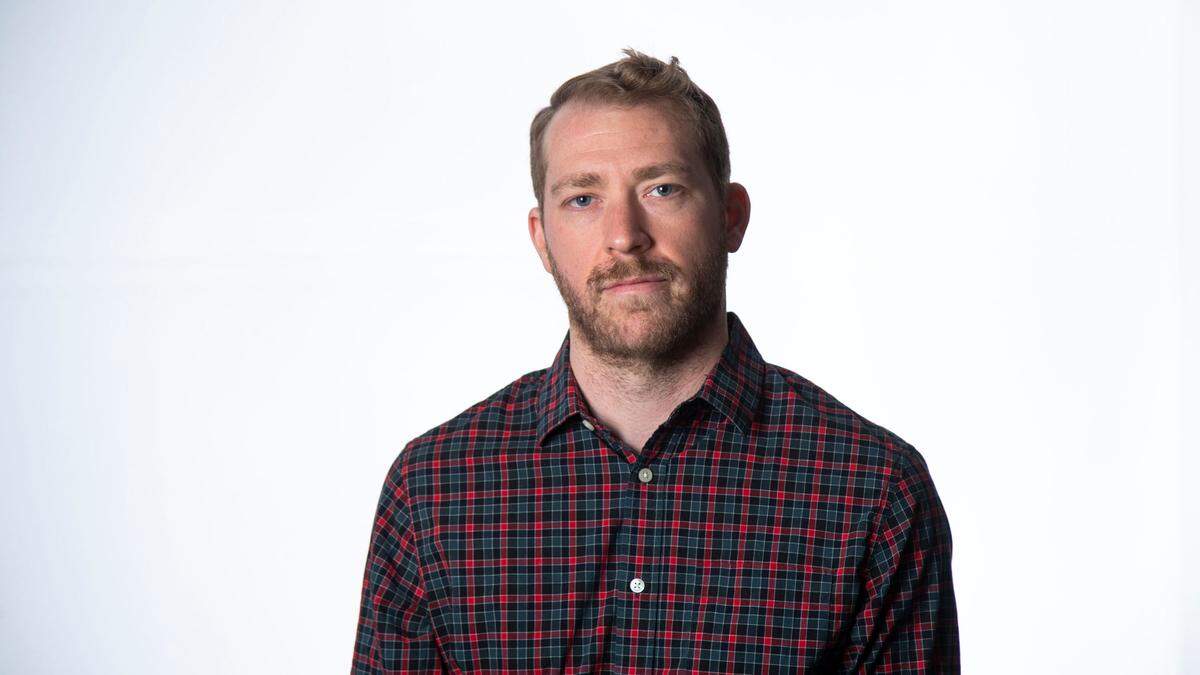
‘Bring Joey Home’: Idaho mother waits as US deems son ‘wrongfully detained’ in Venezuela
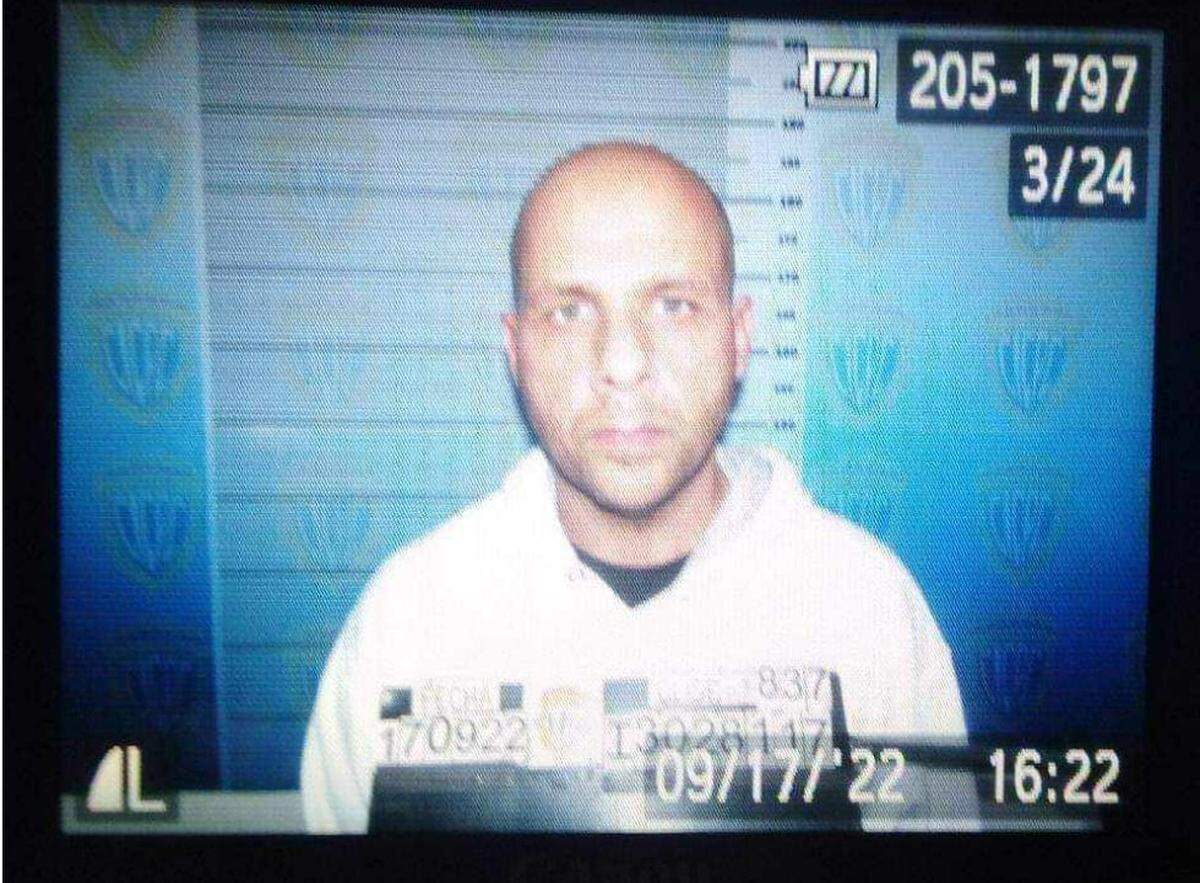
Elaine Cristella was celebrating her last day at work before retiring from Micron Technology in Boise in September, accepting a plaque and cards from her colleagues, when she suddenly received a text with a mugshot of her son.
The last she had heard, Joseph Ryan Cristella, 39, was in Colombia, seeking to reunite with his Venezuelan fiancée. Now he was a prisoner of Venezuela’s military counterintelligence unit.
“It was supposed to be a relaxing day,” Cristella said, recalling in a phone interview the moment she heard the news. “I actually left early — I was beside myself, I was in tears.”
Ten months later, Cristella is still being detained at the infamous Boleita headquarters in Caracas of the General Directorate of Military Counterintelligence, or DGCIM, a place cited by human rights organizations for the frequent use of torture by officials there, often inside an area colloquially referred to by inmates as the “House of Dreams.”
He is one of several American men in recent years who, after meeting Venezuelan women, have traveled to the border region between Colombia and Venezuela only to be apprehended by Venezuelan authorities. It’s a pattern that has increasingly alarmed State Department officials, who believe the Venezuelan government of Nicolás Maduro is detaining U.S. citizens as bargaining chips for leverage over Washington.
The State Department on Wednesday confirmed to McClatchy that Cristella had been declared wrongfully detained under the Levinson Act, bringing the resources of the president’s special envoy for hostage affairs to bear in his case — a welcome development for his family after months of inaction from Washington.
“The department has no higher priority than the safety and security of U.S. citizens overseas,” a State Department official said.
DETAINED AT COLOMBIA BORDER
Cristella was living in Orlando, Florida, when he met his fiancée, Agnes, during a work trip to the Dominican Republic in 2020. He proposed within a matter of months, his mother said.
“He was there I think for a week, maybe a little less, and he went back several times to visit her,” she told McClatchy and the Idaho Statesman. “He was smitten.”
But a dispute with his employer affected his ability to travel to see her, frustrating his relationship and leading to a confrontation with human resources that resulted in his termination. By the time he traveled to Colombia to meet with Agnes in September 2022, “he was not in a good frame of mind,” without a job, a car or a permanent address, said Elaine Cristella, who lives in Meridian.
It is unclear whether he was apprehended on the Colombian or Venezuelan side of the notoriously porous border. Agnes and her family repeatedly discouraged Cristella from traveling to the region, his mother said.
He was initially held at a Venezuelan facility near the border, where former inmates have told McClatchy of horrific conditions, before being transferred to the DGCIM’s main prison in the Venezuelan capital.
Cristella told his mother that at least four other Americans are being held in his cell block, including Eyvin Hernandez and Jerrel Kenemore, both of whom had met Venezuelan women online who prompted them to travel to the border region.
Hernandez and Kenemore have also been declared wrongfully detained by the State Department under the Robert Levinson Hostage Recovery and Hostage-Taking Accountability Act, a law that provides a framework for the secretary of state to determine whether an American is being wrongfully detained abroad. The decision moves their cases from the Bureau of Consular Affairs to the Special Presidential Envoy for Hostage Affairs — an office that is better resourced by the Levinson Act, connected across various federal agencies to handle hostage cases and empowered to negotiate with hostile foreign governments.
The U.S. recognizes the opposition-controlled National Assembly as the legitimate democratically elected authority in the country and accuses Maduro of holding on to power and of dismantling Venezuela’s democratic system. While officials from President Joe Biden’s administration have communicated with Maduro, there are no formal diplomatic ties between the two governments.
READ MORE: Extorted and tortured, an American prisoner in Venezuela awaits action from Biden
Two other Americans, Luke Denman and Airan Berry, are also in Venezuelan custody. The former Green Berets are accused of participating in Operation Gideon, a 2020 effort to overthrow the Maduro government.
The Biden administration has secured two major prisoner swaps with the Maduro regime over the past two years, including the largest of Biden’s presidency. A swap in October secured the freedom of seven Americans from Caracas. But the U.S. special envoy, Roger Carstens, continues to work to free those who remain, visiting Venezuela just last month to check on the conditions of the Americans still detained there.
SHAM CHARGES AND EXTORTION
In a phone interview, Cristella’s lawyer, Guillermo Heredia, said his client has not been mistreated since arriving in Boleita from the border town of San Cristobal, where Venezuelan officials claim he was detained for alleged terrorism. Venezuelan officials have provided no evidence to support the charges.
“There is no evidence, absolutely nothing, presented against him, other than the fact that he is an American citizen,” Heredia said.
Elaine Cristella gets to speak with her son for 15 minutes every week, and also says he is being treated humanely. But “his mental state is not good,” she said.
“Sometimes he calls and he’s perfectly normal. Other times, ‘I hear voices, I do this, I do that,’ ” Elaine Cristella said. “I don’t know if he’s being tortured — the calls are being recorded.”
Former inmates at the DGCIM facility have told McClatchy that they received injections of unknown substances throughout their detention, with some describing hallucinations and paranoia following the procedure, lending credence to the nickname of its most notorious prison block, the “House of Dreams.” It is unclear whether Cristella is housed in this block or what medications he is receiving from Venezuelan authorities.
As with the families of other hostages, Elaine Cristella, 67, said she was extorted upon receiving the news of her son’s detention, told to pay $3,000 to avoid the worst possible treatment that he could face. His kidnappers then increased the sum to $4,000.
Agnes and her family visit Cristella in prison in Caracas, providing him rare access to nutritional food. His mother pays Agnes to purchase the items, and over the course of nearly a year, she said she has spent $28,000 doing so — all but depleting her savings account, and requiring her to exit retirement.
During that same period, Elaine Cristella and her family have pressed the State Department to move her son’s case along and eventually secure his freedom. They also created a Facebook page dedicated to raising awareness about his imprisonment in the hopes of his safe return to U.S. soil.
“I’ll do what I have to do, but I’m just, I’m drained. I’m drained,” Elaine Cristella said. “It’s just dragging on, and on, and on. It just doesn’t make any sense.”
In the past few years, “the Venezuelan state has dedicated itself to kidnapping U.S. citizens, with the sole objective of using them to put pressure on that government and exchange them with Venezuelans detained in the United States,” said a report issued last year by the Casla Institute, a human-rights organization.
READ MORE: How a former U.S. Marine jailed in Venezuela for 2 years fought for his freedom
“In the year 2022, at least three new hostages were known under this pattern. Some have been deceitfully taken from different Colombian cities to the border with Venezuela and are detained by security agencies to later be taken to the DGCIM cells, and accused of conspiracy, criminal association and in the case of Matthew Heath, of treason against the homeland without being Venezuelan,” the report added.
‘BARGAINING CHIPS’
U.S. Sen. Jim Risch, R-Idaho, ranking member on the Senate Foreign Relations Committee, “is aware of this case and the State Department is aware of his interest,” his office said in an email to the Statesman and McClatchy. “He is staying closely apprised of any developments and changes in Cristella’s situation.”
The senator said that he, too, sees a pattern by the Maduro regime of collecting American hostages as leverage.
“Too often, Congress is made aware of Americans who are wrongfully detained by foreign governments,” Risch said in a statement. “In Venezuela, the Maduro regime uses Americans as bargaining chips. This practice must end, and the Biden administration must use the tools Congress provided in the Levinson Act to punish those who wrongfully detain Americans, as well as deter future hostage-taking.”
The State Department told McClatchy that it has repeatedly warned Americans to avoid traveling to Venezuela, where it has issued its highest level of travel alert, a Level 4: Do Not Travel.
But an official acknowledged that several U.S. citizens in Venezuelan custody were in fact detained in the border region — potentially kidnapped over the border on Colombian territory — complicating their message to Americans.
“The department also advises U.S. citizens to not travel to the Colombia-Venezuela border region due to crime, kidnapping, and risk of detention when crossing into Venezuela from Colombia,” the official said.
McClatchy’s Senior National Security and White House Correspondent Michael Wilner reported from Washington, D.C. Antonio Maria Delgado of The Miami Herald and El Nuevo Herald reported from Miami.
This story was originally published July 19, 2023 at 5:47 PM.