Tax season is coming to a close. Here’s everything business owners need to know to file
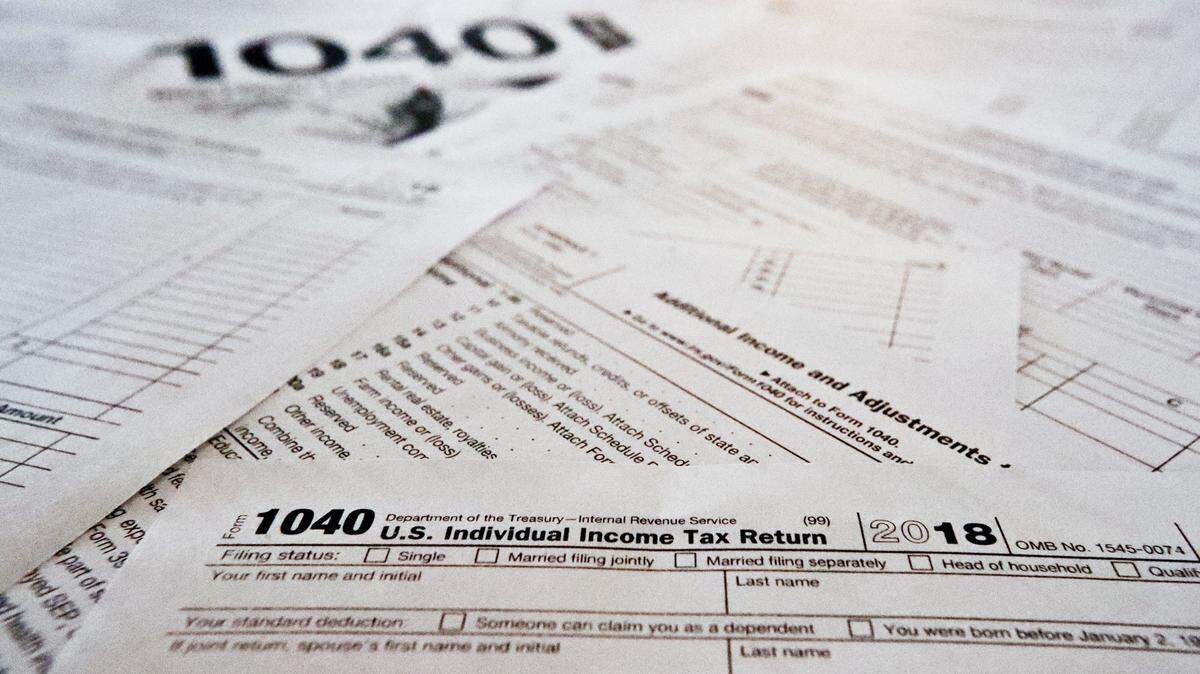
About a month remains until taxes are due, and the Idaho State Tax Commission is urging small business owners to file their taxes online. Tax Commission spokesperson Renee Eymann told the Idaho Statesman in a recent phone interview that business returns are more complicated than individual returns and “can be lots and lots and lots and lots of pages.”
A news release from the Tax Commission points out that filing taxes online saves prep time, paper and mailing costs, and is also the most cost-effective may to submit tax returns.
Those who want to file their taxes by mail rather than online can send them to the Tax Commission at P.O. Box 36, Boise, ID 83722, or to the Tax Commission’s building at 11321 W. Chinden Blvd., Boise, ID 83714.
Eymann recommends providing clear contact information on the return and checking the box that allows Tax Commission staff to discuss the return with the taxpayer or tax preparation accountant. Checking that box means any issues with the return can be resolved with a phone call rather than a letter, which can delay the return process.
With more paperwork required for small business owners, here’s what they need to know about filing their taxes online.
What documents do business owners need?
Like individual tax returns, Eymann recommends that business owners keep yearly financial statements, such as prior-year losses and prior-year depreciation information. She also says that other records that validate income, such as expenses, deductions and tax credits are also essential for small business owners.
Here are some of the most common documents that business owners will likely need to provide:
Financial statements
Prior-year tax returns
Records for vehicle expenses, such as mileage logs
Bank statements and reconciliations
Payroll support, such as state and federal withholding payments or unemployment
Eymann also recommends that business owners carefully review the business income tax guide and call the Tax Commission at (208) 334-7660 in the Boise area, or (800) 972-7660 with any questions. To talk to a representative, press “0” once the robotic voice reads the dial options. Wait times can be up to an hour.
Options for pass-through entities
There are also additional tax documents and options available for businesses known as pass-through entities. Also known as PTEs, these are businesses in which income flows through it to owners or investors. A PTE must file a Form ID K-1, which shows partner or shareholder information required to complete the pass-through owner’s Idaho income tax return.
In April 2021, Idaho Gov. Brad Little signed House Bill 317, which allows certain PTEs to pay Idaho income tax at the entity level by making an Affected Business Entity Election, also known as an ABE. Eligible PTEs must meet the definition of a partnership or S Corporation under Idaho Laws, such as those outlined under the Internal Revenue Code.
Once an election is filed, the PTE is required to calculate its net income or loss. If the PTE owes taxes to the state, taxes are calculated at a corporate rate of 6.925%. If the PTE calculates a loss, that loss may be carried forward to a future year when the ABE tax rate can be utilized.
“This year, unlike last year, a business can make the Affected Business Entity Election (ABE) on Idaho’s Form ABE and doesn’t need to include it with the tax return,” Eymann said. “However, the business should retain the Form ABE as support for the election.”