
Keep an eye out for invasive giant hornets this summer and report them if you see them
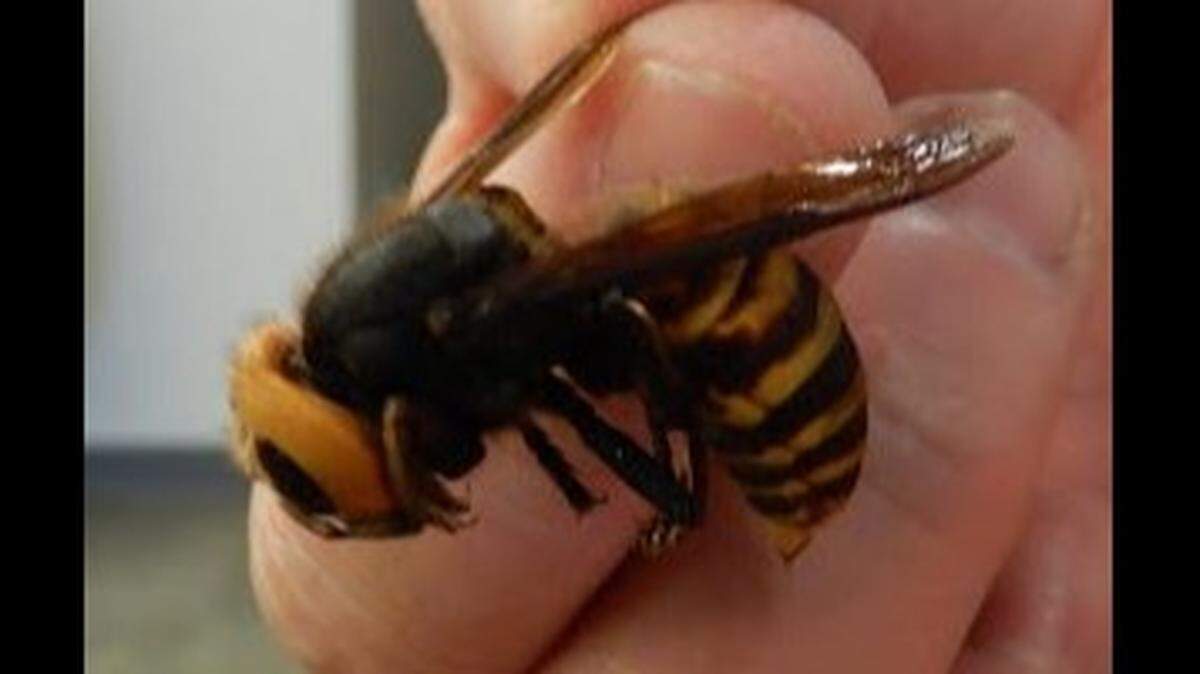
The Asian giant hornet, an invasive species that has been spotted around Washington state, is expected to be active this summer.
Local and federal officials are asking the public to help them spot and trap these insects, which can have a devastating impact on the honeybee population.
According to the Washington Invasive Species Council website, the Asian giant hornet is native to Asia and can destroy a honeybee hive in just a few hours by decapitating the honeybees. A similar giant hornet in Europe reduced beehives by 30 percent and caused a two-thirds reduction in honey produced by the hives.
The WISC website says the Asian giant hornet was spotted in Blaine and Bellingham in February of this year. It is most active in the summer and fall.
If you see a giant hornet, don’t approach it, since stings can cause injury and death in humans, according to a May 2 article from The New York Times. The same article says Asian giant hornets kill up to 50 people in Japan every year.
If you can, take a photograph to help officials confirm the sighting. If you come across a dead Asian giant hornet, you should save it so that it can be tested.
WISC asks people to report sightings using the WA Invasives app, on the WISC website or on the Washington Department of Agriculture website.
Justin Bush, executive coordinator of the Washington Invasive Species Council, emphasized the role of the public in helping prevent the spread of the Asian giant hornet.
“The first detection of Asian giant hornet in the entire United States was made by an aware member of the public,” Bush said in the news release. “Every other detection since has been made by everyday citizens.”
These reports help officials effectively place traps for the hornets.
“We can only put up so many traps, but if people are on the lookout for them, it greatly increases our odds of finding and eradicating them,” Sven Spichiger, managing entomologist for the WSDA, said in the news release.
Starting this month, people who live in Whatcom, Skagit, Island, San Juan, Jefferson and Clallam counties who would like to participate in trapping may find more information on the WSDA website.
This story was originally published July 3, 2020 at 6:00 AM with the headline "Keep an eye out for invasive giant hornets this summer and report them if you see them."