Burnt artifacts turn out to be ‘extraordinary’ fabric from 3,600 years ago. See them
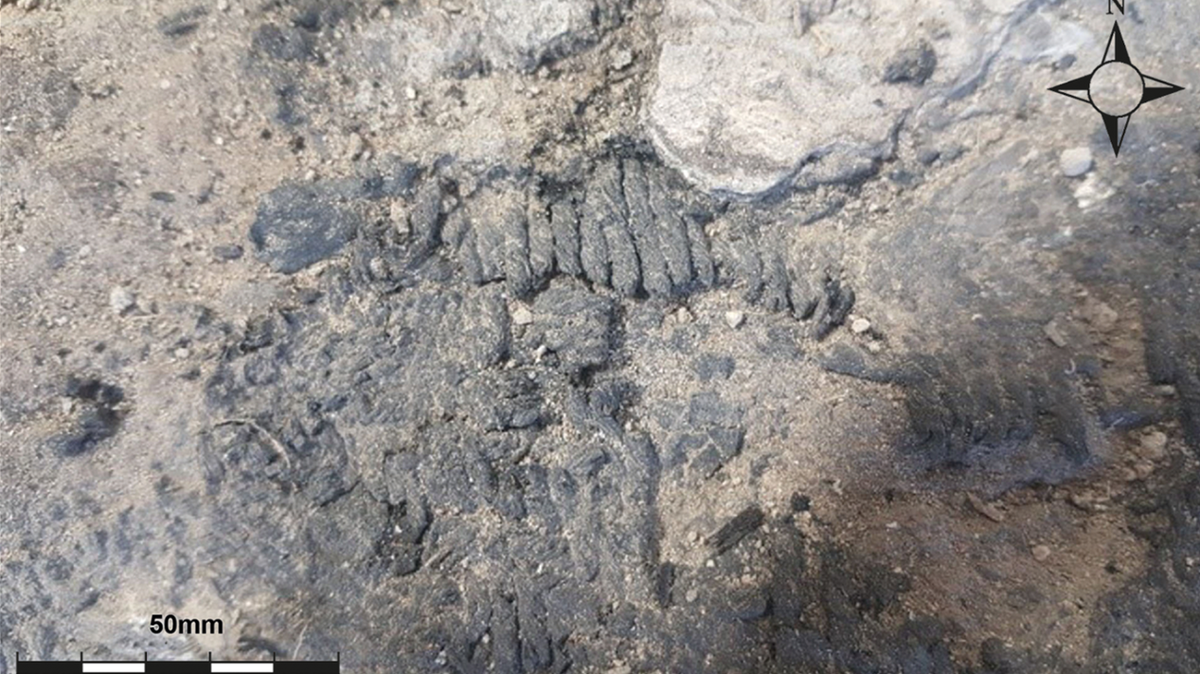
Sifting through layers of dirt and debris, archaeologists in Turkey uncovered two flat, burnt artifacts. The delicate-looking finds turned out to be “extraordinary” pieces of fabric from over 3,600 years ago.
Archaeologists rediscovered the Bronze Age settlement of Beycesultan Höyük in the 1950s, but the site remained largely unstudied until excavations restarted in 2007, according to a study published Nov. 15 in the peer-reviewed journal Antiquity. Over 11 years of work, researchers slowly reconstructed ancient life at what “must have been a regional capital.”
In 2016 and 2018, archaeologists excavated two fire-damaged structures at Beycesultan and noticed what looked like charred fabric.
“Textile finds are extremely scarce in ancient Anatolia” because of the soil’s moisture, the study said. Modern-day knowledge of the region’s ancient fabric production generally relies on written records, related tool finds and imprints of textiles left on other materials.
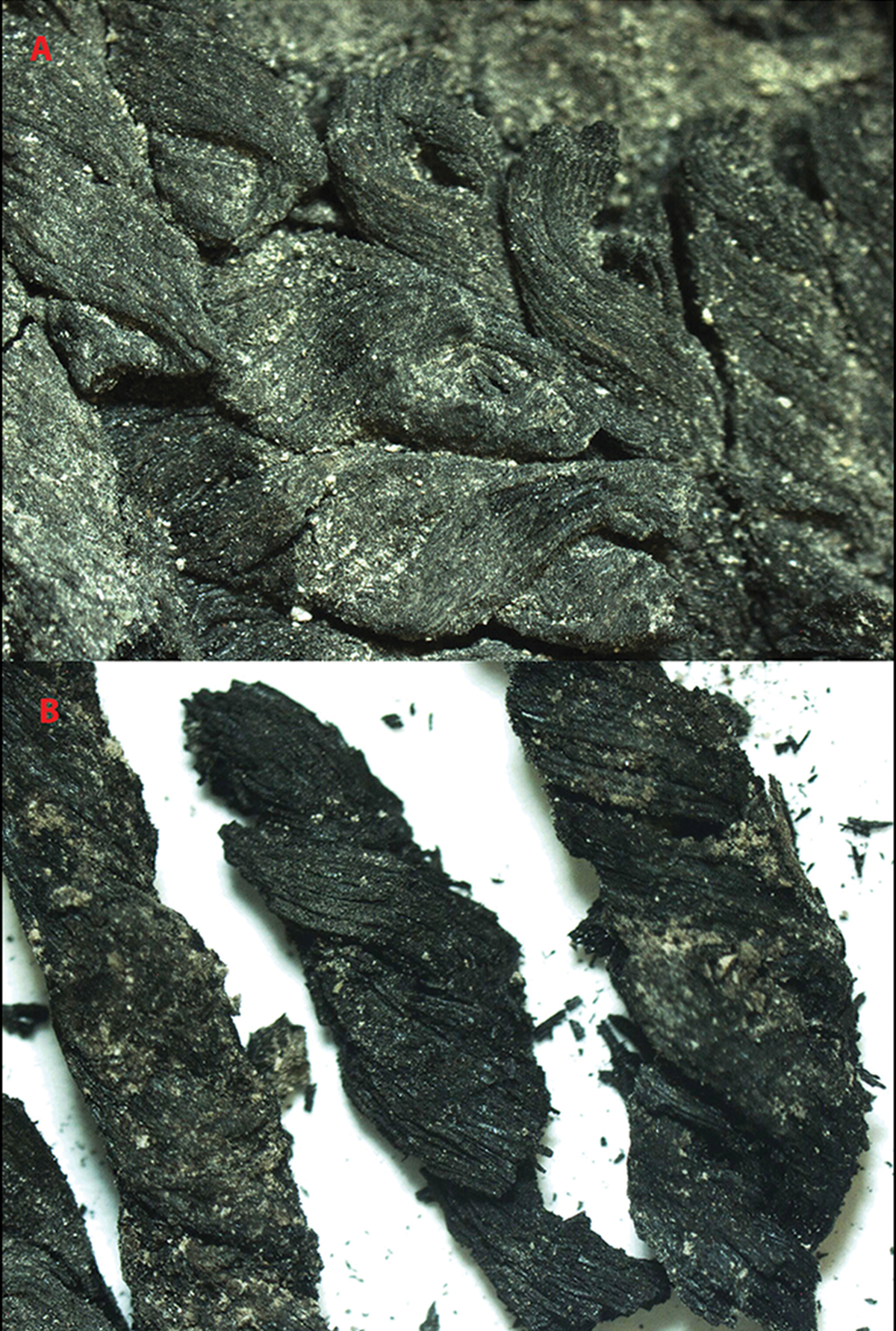
To learn more about the “extraordinary textile fragments,” archaeologists studied the fabrics under microscopes and conducted chemical analyses, the study said.
The first fragment, known as Tx1, dated back at least 3,700 years and was “probably knitted” using the nålbinding, or single needle, technique. It was made of hemp fibers and “dyed with the woad or indigo plant,” giving it a blue color, researchers said. A photo shows the fabric as seen under a microscope.
Researchers described Tx1 as “the oldest blue fabric discovered in a Bronze Age context in Anatolia.” In ancient times, blue textiles were “very valuable,” “popular” and typically associated with luxury and the elites.
Tx1 was also “the first nålbinding fabric found in Anatolia,” the study said. The method is poorly known but has been found at other Bronze Age sites.
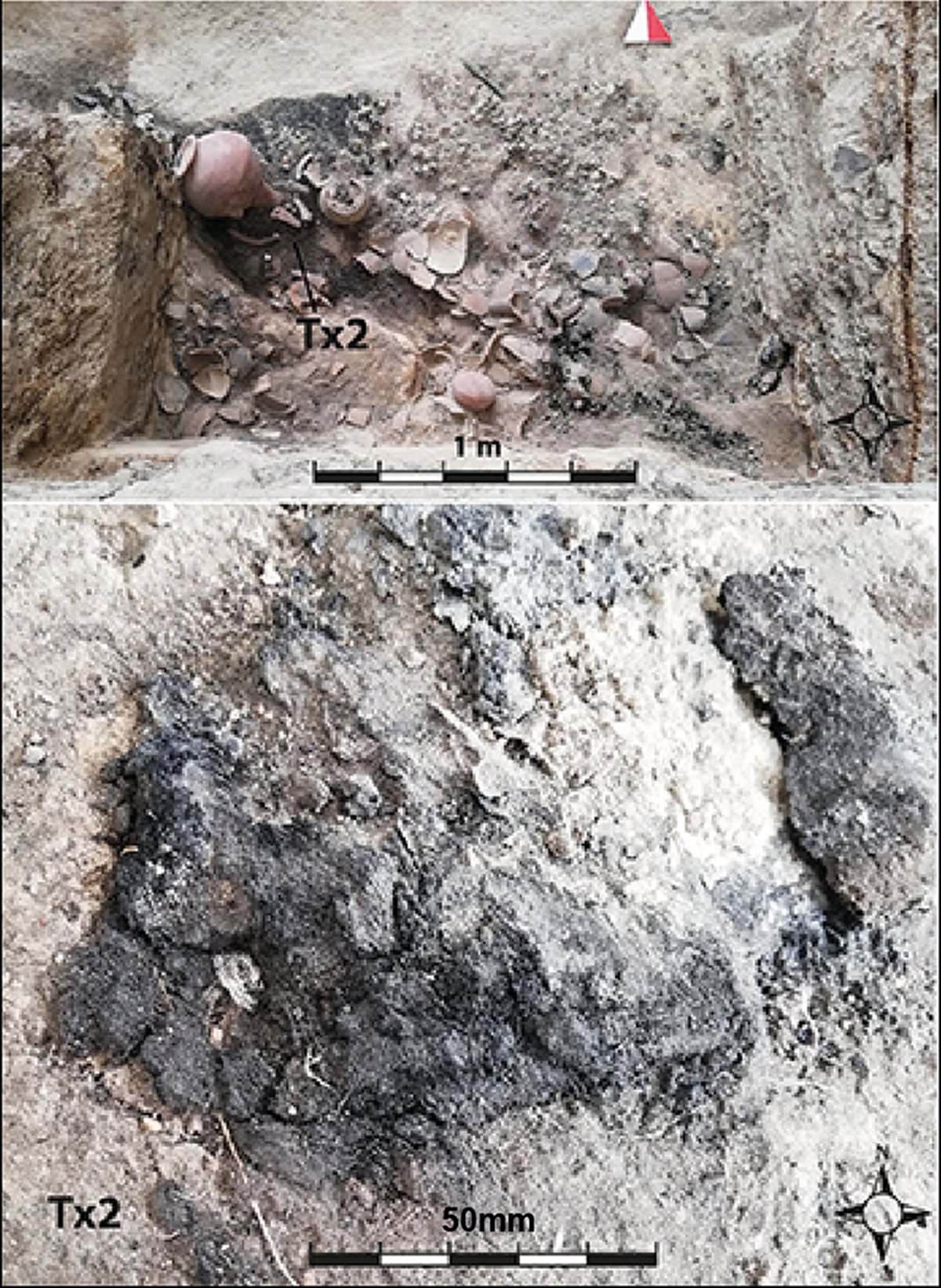
The second fragment, known as Tx2, dated back at least 3,600 years and was found in a room filled with storage jars, spindle whorls, loom weights and a weaving comb, the study said. Photos show the surrounding area, which researchers believe was probably a fabric workshop.
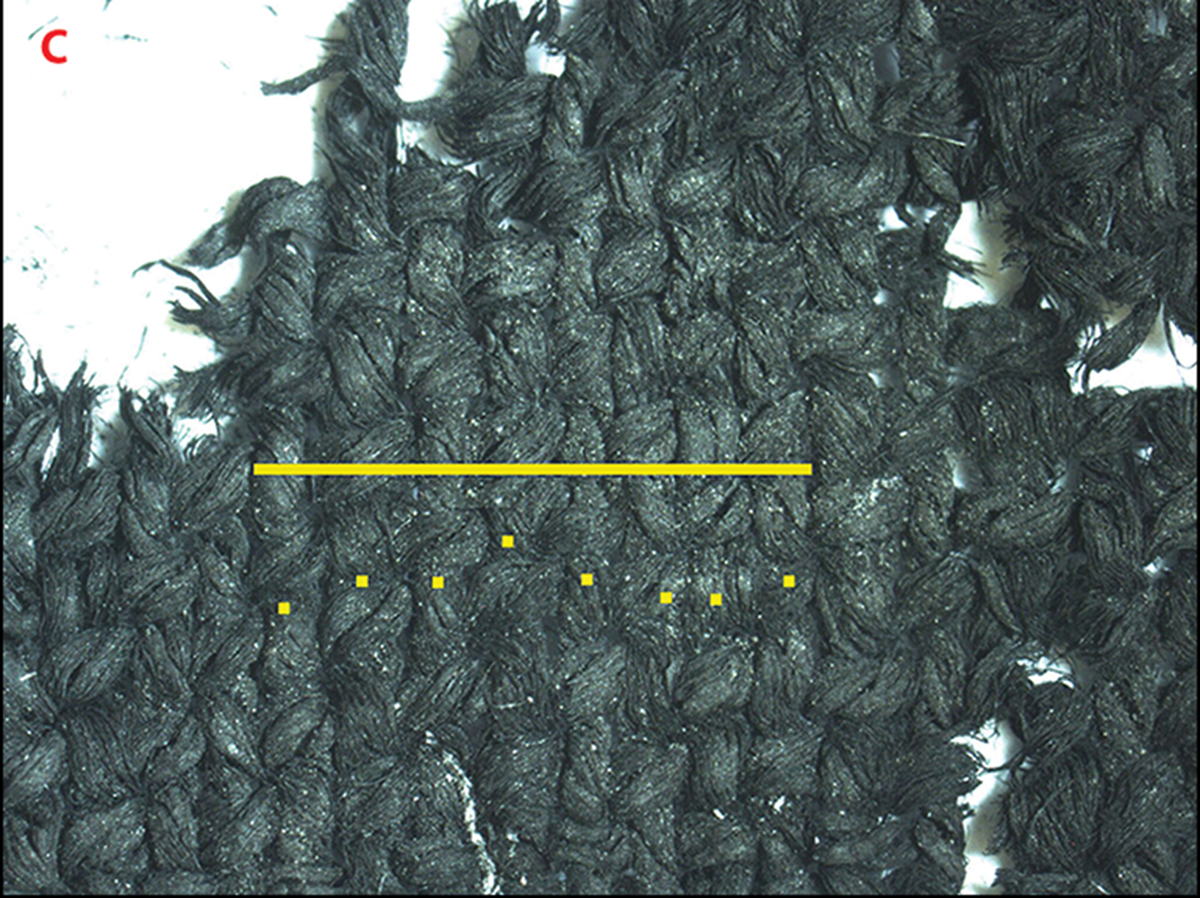
Based on a close-up analysis, Tx2 was woven “on a vertical loom” and naturally colored, the study said. Researchers suspected Tx2 was also made of hemp fibers, but the fragment was too burnt for them to confirm.
“Tx1 and Tx2 indicate that Beycesultan was producing a range of textiles, including exotic and luxury fabrics,” researchers said. The fabric fragments “present a unique glimpse” into ancient textile production.
Beycesultan Höyük is in the district of Çivril in southwestern Turkey and a roughly 300-mile drive south from Istanbul.
The research team included Çiğdem Maner, Esref Abay, Recep Karadağ and Emine Torgan Güzel.
This story was originally published December 3, 2024 at 6:37 AM with the headline "Burnt artifacts turn out to be ‘extraordinary’ fabric from 3,600 years ago. See them."