Scientists scoop dried sand from rocky pool — and discover two new species in India
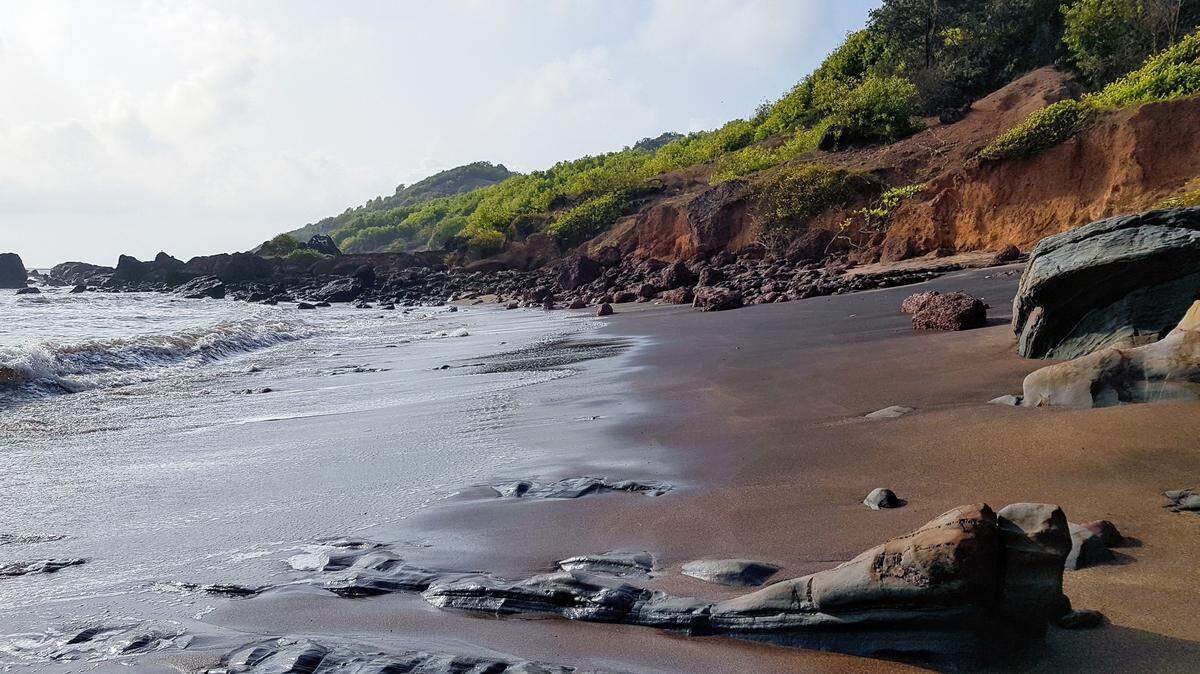
Digging near freshwater pools in India, scientists scooped up sand and sediment. Hidden within, they discovered two new species of spiny creatures.
The researchers collected the creatures’ eggs in dry sediment from Goa and Karnataka, rehydrated it to hatch the eggs and picked out the small animals, according to a study published April 13 in the journal Zootaxa.
Studying the animals’ body shape and DNA, the researchers discovered two new species of spiny clam shrimp.
Clam shrimp are a type of bivalved crustaceans and “are not related to clams,” Nature reported. ”They have (a) carapace” — or protective, shell-like covering — “which they shut when disturbed, making them look a lot like (a) clam.”
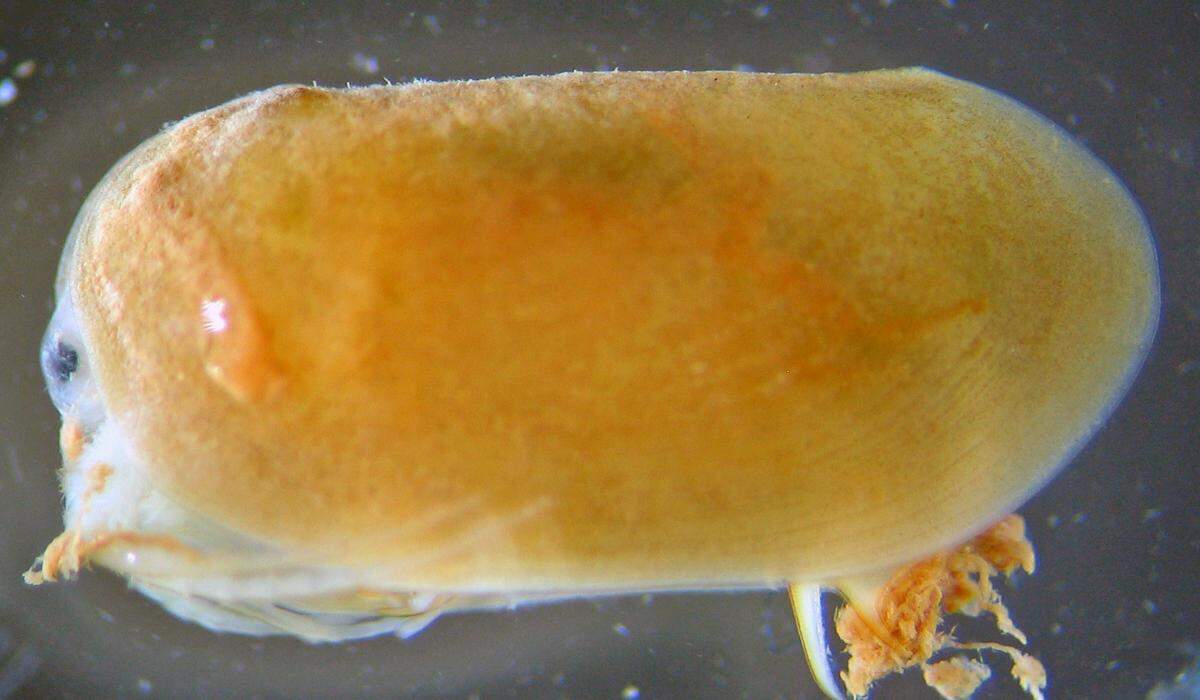
The new spiny clam shrimp species discovered in Goa, Leptestheria gomantaki, was named after Gomantak, the region’s local name, the study said. Researchers found several females of the species in dried-out pools near sand dunes in Benalium.
Leptestheria gomantaki measured about 0.25 inches in length and had a brown exterior coloring, the study said. Its DNA and head shape distinguished it from other known species, according to researchers.
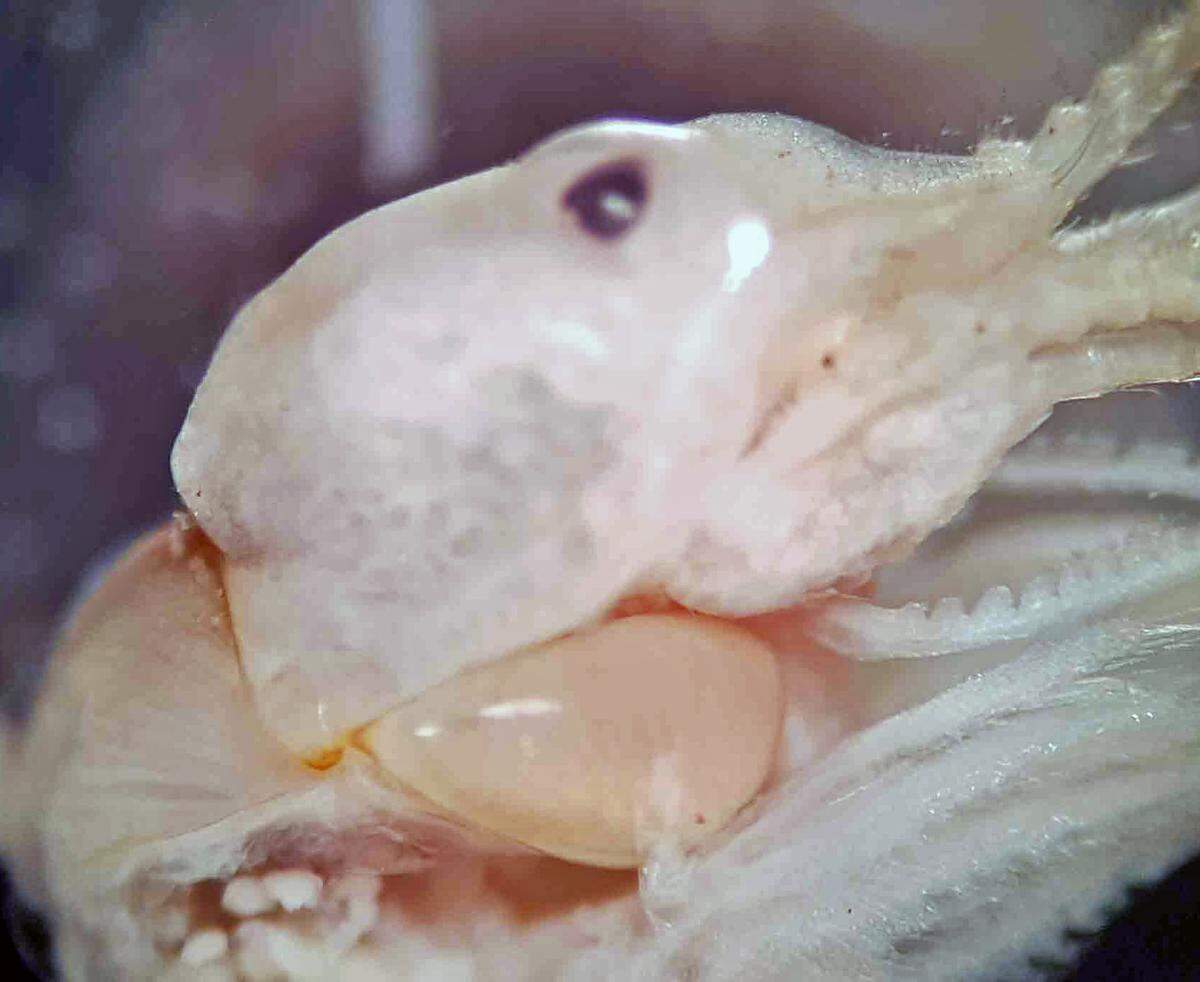
Leptestheria chalukyae, the species discovered in Karnataka, was named after the Chalukyas, a “great medieval Indian dynasty” who ruled the region and had their capital in Badami, researchers said. Several specimens were found in a rocky pool near a fort in Badami.
This species of spiny clam shrimp measured up to 0.3 inches long, had a brown exterior and white-yellow interior coloring, the study said and photos show. Leptestheria chalukyae’s DNA, head shape and the spines on the tip end of its tail distinguished it from other known species, according to researchers.
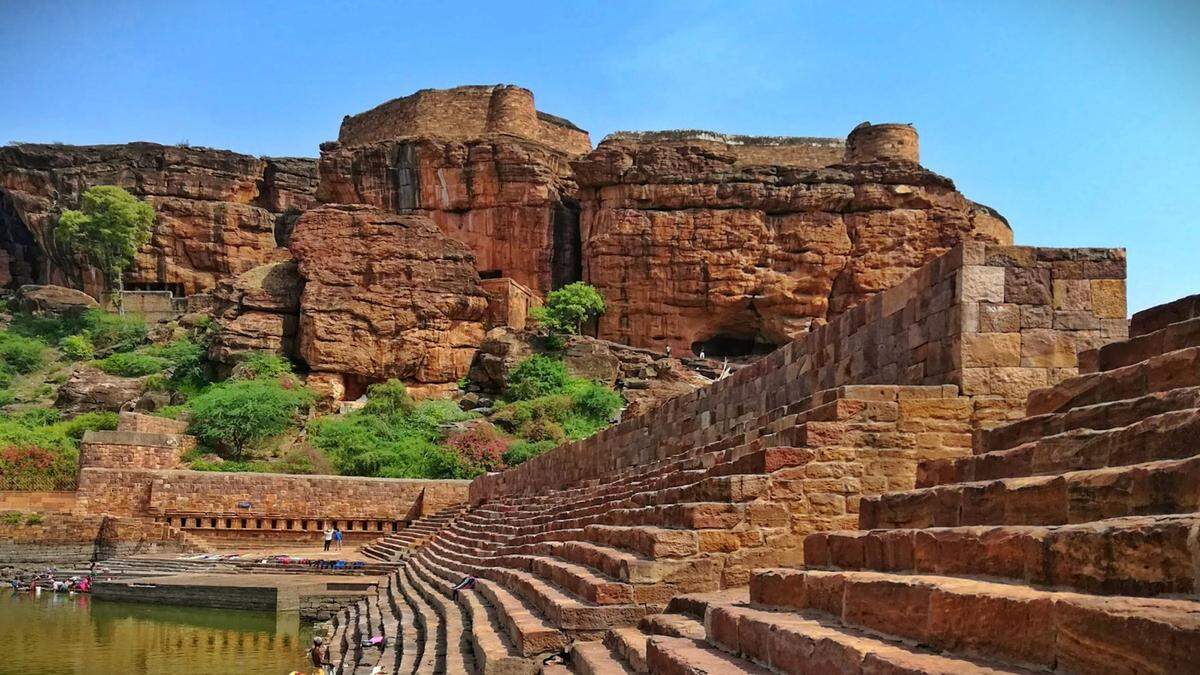
The discovery “highlights the rich biodiversity in India, especially in understudied habitats such as rock pools which are extremely vulnerable to anthropogenic threats as well as climate change,” researchers said.
Goa and Karnataka are regions in southwestern India, about 1,200 miles southwest of New Delhi.
This story was originally published May 4, 2023 at 1:21 PM with the headline "Scientists scoop dried sand from rocky pool — and discover two new species in India."