Hiker sets off 12-hour rescue mission when deep snow traps him on dark Colorado trail
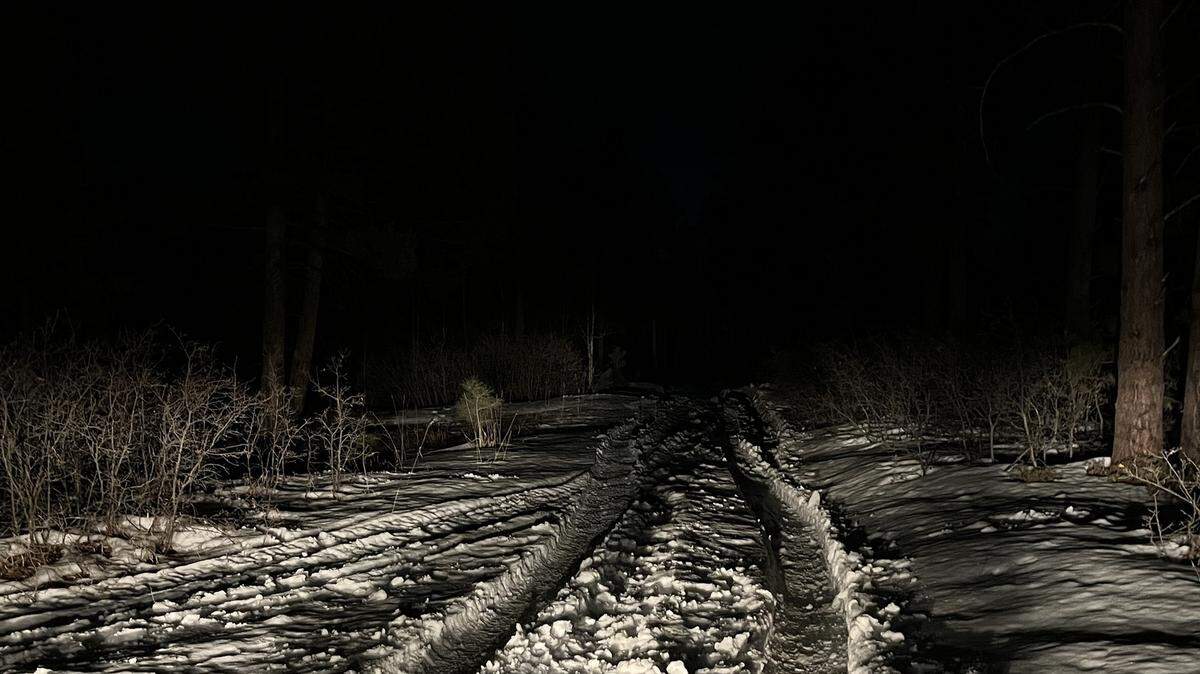
A hiker became stranded in deep snow on a Colorado hiking trail in conditions so challenging that the rescue went on all night, officials said.
The hiker was many miles — and many hours — into hiking the Colorado Trail when he realized he wouldn’t be able to make it back out on his own just before 6:30 p.m. on Saturday, March 23, Douglas County Search and Rescue spokesperson Dave Arnett told McClatchy News.
The hiker used his phone’s SOS feature to reach out to satellites that then routed the call through Douglas County Sheriff’s Office dispatch, which reached out to search and rescue, Arnett told 9News.
“He’d been out there since 8 a.m. that morning,” Arnett told the station. “There’s a good possibility he would not have made it through the night.”
Search and rescue scouted the hiker’s whereabouts with a drone and sent several teams to his location from the north and south, officials said.
Once rescuers spotted him, it took several hours for them to reach him and several more to help him off the trail — overall amounting to a 12-hour mission that ended about 6 a.m. on Sunday, March 24, officials said. The hiker had been outdoors in the cold for almost a full day.
Rescuers warmed the hiker and helped him navigate back down the trail until he felt he couldn’t walk any more, Arnett said. Then they fastened him to a litter with a wheel to carry him down the trail.
“Please be aware that while it looks dry and clear in many areas close to home, snow conditions are still very challenging and risky in wilderness trails,” officials said on Facebook.
Officials urged hikers to choose routes carefully and bring proper communication and navigation gear along with plenty of extra food, water, and layers to bundle up in frigid overnight temperatures. They also warned against hiking alone and urged hikers to take multiple forms of traction, including snowshoes.
“The forecast includes more snow later today — Colorado does not let go of winter lightly,” officials said. “Stay safe out there.”
Several people commented about how someone could get trapped in such a challenging situation, rescuers said.
“Please note that our focus, and our privilege, is to help folks get home safely. We take that very seriously, anytime and anywhere,” officials said. “We’ve all likely found ourselves in places and situations we didn’t plan on. We’re simply glad the hiker is safe and we are glad to be of service.”
Another person praised the good advice and noted that lightweight snowshoes are not as much of a burden as some might assume.
“Thank you for being there for this hiker, life is precious!” they said.
Douglas County is about a 40-mile drive south from Denver.
What to do if you get stranded in cold weather
When the body is exposed to prolonged cold temperatures, it starts to lose heat faster than it can produce it, according to the Centers for Disease Control and Prevention.
“Prolonged exposure to cold will eventually use up your body’s stored energy,” the CDC said. “The result is hypothermia, or abnormally low body temperature.”
Low body temperatures can impact the brain and cause people to be unable to move or think clearly. However, the National Weather Service said there are ways to help you stay safe.
If you’re outside in cold weather, find shelter and stay dry. Cover every part of your body that’s exposed to the cold air.
If there’s nowhere to go nearby, build a windbreak or snow cave for protection. You should also continue to move your body to keep blood circulating, but don’t overexert yourself, officials said.
If you get trapped in a vehicle during a storm, officials said you should stay inside it and stay visible to rescuers.
“Run the motor about 10 minutes each hour for heat,” the National Weather Service said. “While running the motor, open the window a little for fresh air to avoid carbon monoxide poisoning. Clear snow from the exhaust pipe to avoid gas poisoning.”