‘Moving’ road is really a sprawling ‘toad-mageddon’ with thousands of critters in Utah
While heading home in Utah, a driver thought she saw a 1.5-mile stretch of the road moving — until she realized it was tens of thousands of critters hopping across the asphalt.
Mary Hulet focused on the movement and realized she was witnessing a huge migration of toads, she told KSL.
“We’re talking like thousands of toads crossing the road,” she said. “I’m like, ‘Is this toad-mageddon? What in the world is going on here?’”
Biologists with the Utah Division of Wildlife Resources went to the area in Stockton — about 32 miles southwest of Salt Lake City — July 20 after witnesses reported the migration and sent in videos, agency spokesperson Faith Jolley told McClatchy News via email.
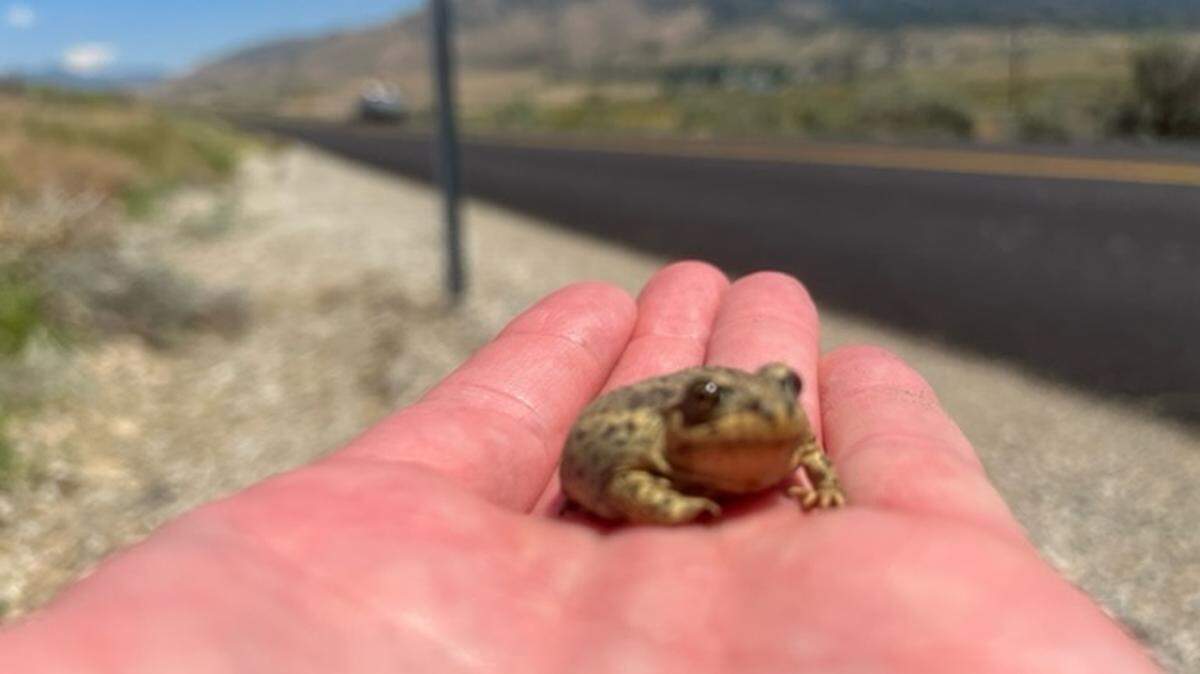
The biologists determined the toads in the “mass migration” videos are Great Basin spadefoot toads, which are native to Utah.
A photo shows one of the tiny toads sitting in a biologist’s hand. It doesn’t appear to be much bigger than one of the joints in the biologist’s fingers.
The young toads — also called “metamorphs” — likely hatched about a month ago in Rush Lake, officials said.
They hatch in water and then migrate to land, where they remain throughout their adult life. Then they burrow into dirt and pop out again to breed during heavy rainstorms, officials said.
“While it’s not uncommon for these toads to migrate, it is unusual to see them migrate in such large numbers,” Jolley told McClatchy News. “Our biologists estimated there were hundreds of thousands based on the video footage and roadkill in the area covering 1.25 miles.”
Rush Lake has been dry for years, but this year’s record rainfall made for perfect breeding conditions for the army of toads, KSL reported.
“The word ‘biblical’ came to mind,” Utah Division of Wildlife Resources aquatics manager Chris Crockett told the station. “It’s just a great example of how dependent most of the species in Utah are on good water years.”