
Video captures harrowing escape from avalanche. ‘I couldn’t move, breathe or see’
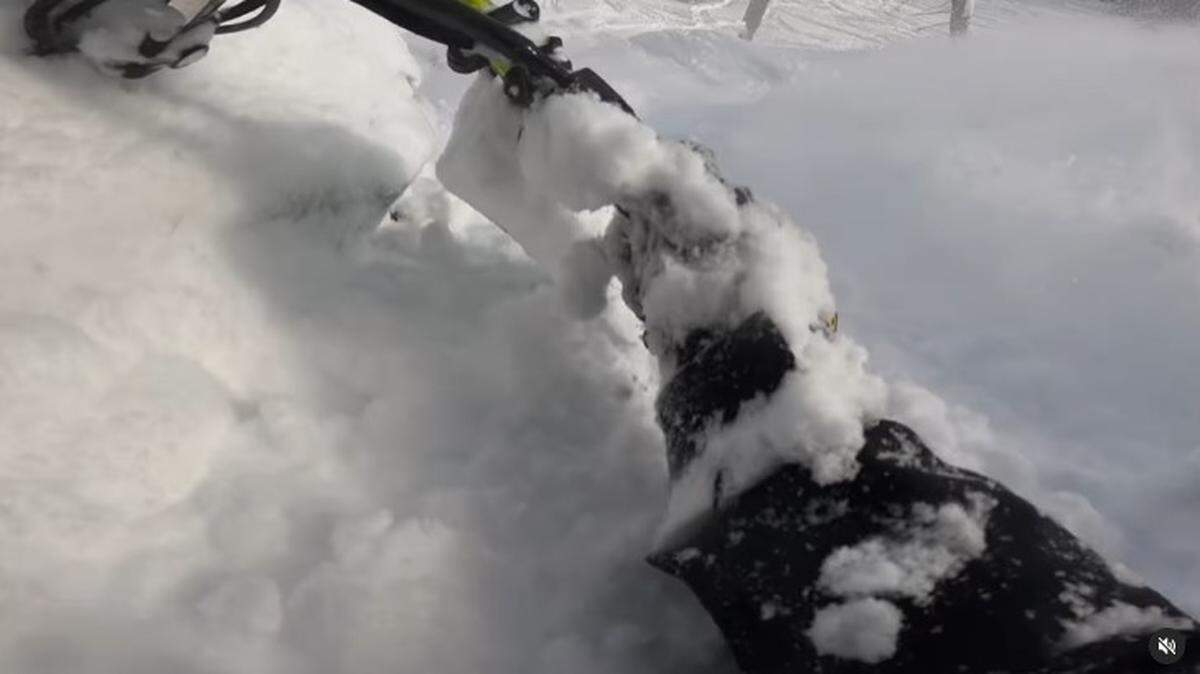
Anthony Kluesner recalls a “dead, heavy weight” coming over him as an avalanche tumbled him and his snowmobile down a Montana mountain.
“And one thing I definitely remember to this day, I think about it every day now, it was the scariest thing. I couldn’t move, breathe, or see,” the 22-year-old told KTVQ.
An Instagram video shot by Kluesner shows him riding his snowmobile up a slope of Mount Abundance before tumbling back down amid flying snow.
Then the screen goes dark as snow envelops the Wyoming resident.
“And all I could do was try to swim,” Kluesner told KTVQ. “Try to do anything to just get up on top. That was my main goal, was to prevent getting buried.”
Kluesner believes he narrowly escaped death or serious injury in the Feb. 25 avalanche because he managed to stay with his snowmobile, The Sheridan Press reported.
The video shows Kluesner emerge waist-deep from the snow after briefly being buried.
Backcountry skiers quickly helped dig him out of the snow, he told The Sheridan Press.
“It turns into concrete, you know. And you can’t move. I tried doing a wiggle and my legs were not moving,” Kluesner told KTVQ. “It was a weird feeling. It was just so compressed and tight.”
Kluesner, who could not deploy his avalanche bag during the tumble, urged snowmobilers, skiers and others to bring proper safety equipment in case of avalanches.
“This is no joke, I hope no one ever has to go through this!” he wrote on Instagram.
What to know about avalanches
Avalanches happen quickly and catch people by surprise. They can move between 60 and 80 mph and typically happen on slopes of 30-45 degrees, according to experts.
Skiers, snowmobilers and hikers can set off an avalanche when a layer of snow collapses and starts to slide down the slope.
In the U.S., avalanches are most common from December to April, but they can happen at any time if the conditions are right, National Geographic reported.
At least 15 people in the U.S. have died in avalanches this season as of March 12, according to the Colorado Avalanche Information Center.
People heading into snow should always check the local avalanche forecast at Avalanche.org, officials with the U.S. Department of Agriculture said, and have an avalanche beacon, probe and shovel ready.
“Emergency services are usually too far away from the scene of an avalanche, and time is important,” Simon Trautman, a national avalanche specialist, said. “A person trapped under the snow may not have more than 20 or 30 minutes. So, in a backcountry scenario, you are your own rescue party.”
If an avalanche breaks out, it’s best to move diagonal to the avalanche to an edge, Trautman said.
“Try to orient your feet downhill so that your lower body, not your head, takes most of the impact,” officials said. “You may also get into a tight ball as another way to protect your head.”
This story was originally published March 12, 2023 at 11:42 AM with the headline "Video captures harrowing escape from avalanche. ‘I couldn’t move, breathe or see’."