
You could see debris from Halley’s Comet zoom through the sky this week. What to know
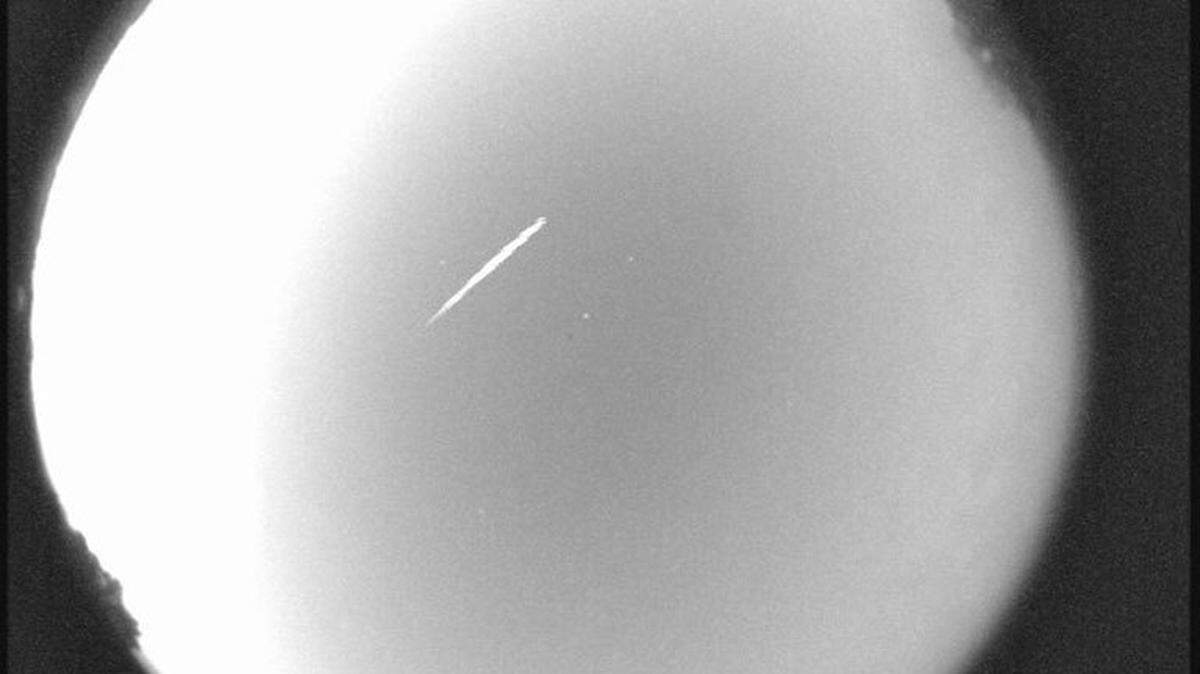
Space debris from Halley’s Comet will zoom through the sky this week — and you could see it.
The Eta Aquarids meteor shower peaks at the beginning of May each year, NASA said. This year, it’ll peak overnight on Wednesday, May 4, and Thursday, May 5, according to Space.com.
The meteor shower is known for its speed, according to NASA. The meteors can travel at about 148,000 mph into the Earth’s atmosphere.
“Fast meteors can leave glowing ‘trains’ (incandescent bits of debris in the wake of the meteor) which last for several seconds to minutes,” NASA said on its website.
During the Eta Aquarid peak, people could see up to 30 meteors an hour if they look closely. Skywatchers could also see “shooting stars,” according to Space.com.
The meteor shower’s speed and glow aren’t the only things that could make skywatchers excited. The shower also originates from Halley’s Comet.
“Each time that Halley returns to the inner solar system its nucleus sheds a layer of ice and rock into space,” NASA said. “The dust grains eventually become the Eta Aquarids in May and the Orionids in October if they collide with Earth’s atmosphere.”
Skywatchers could have an easier time viewing the meteor shower this year. The moon will be in a waxing crescent during its peak, making it easier to see the shooting stars, according to EarthSky.
Right before dawn is the best time to see the meteor shower, the news outlet reported.
“As with all meteors in annual showers, no special equipment to watch the Eta Aquarids. But a little luck always helps,” EarthSky reported. “Find a dark, open sky away from artificial lights, and sprawl out on a reclining lawn chair.”
NASA said it takes at least 30 minutes for your eyes to adjust to the darkness. After that time, you could start to see meteors.
“Be patient—the show will last until dawn, so you have plenty of time to catch a glimpse,” NASA said.
This story was originally published May 2, 2022 at 11:21 AM with the headline "You could see debris from Halley’s Comet zoom through the sky this week. What to know."