No longer can ACHD make streets narrower for bike lanes. What just happened
Gov. Brad Little has quietly signed two transportation-related bills amid vocal public opposition and controversy roiling the Ada County Highway District after a commissioner had posted inflammatory comments about the bills.
The two bills, Senate Bills 1144 and 1140, force highway districts to prioritize vehicle traffic and ban them from narrowing streets to under 50 feet wide. Highway districts occasionally narrow streets to add infrastructure improvements like sidewalks or bike paths.
Any elected official, officer or person who aids in violating the new laws could be found guilty of a misdemeanor, a fine of up to $1,000 and/or up to 90 days in prison.
“We are currently evaluating how the legislation would impact ACHD projects,” said Rachel Bjornestad, a spokesperson for ACHD, on Tuesday. “As always, ACHD sees the opportunity to continue to meet our commitments to the public while working within the confines of the law.”
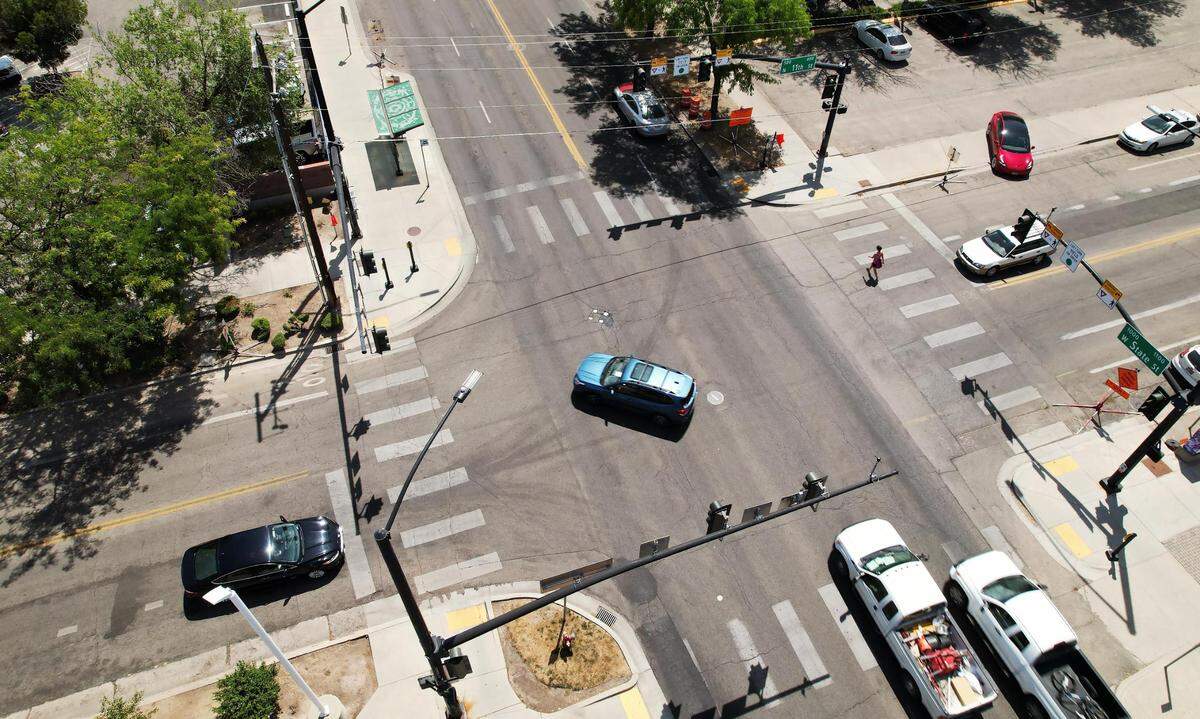
The district has several planned projects that could be affected by the new laws — most notably over plans to narrow a portion of downtown Boise’s State Street after there were several pedestrian deaths there in 2023.
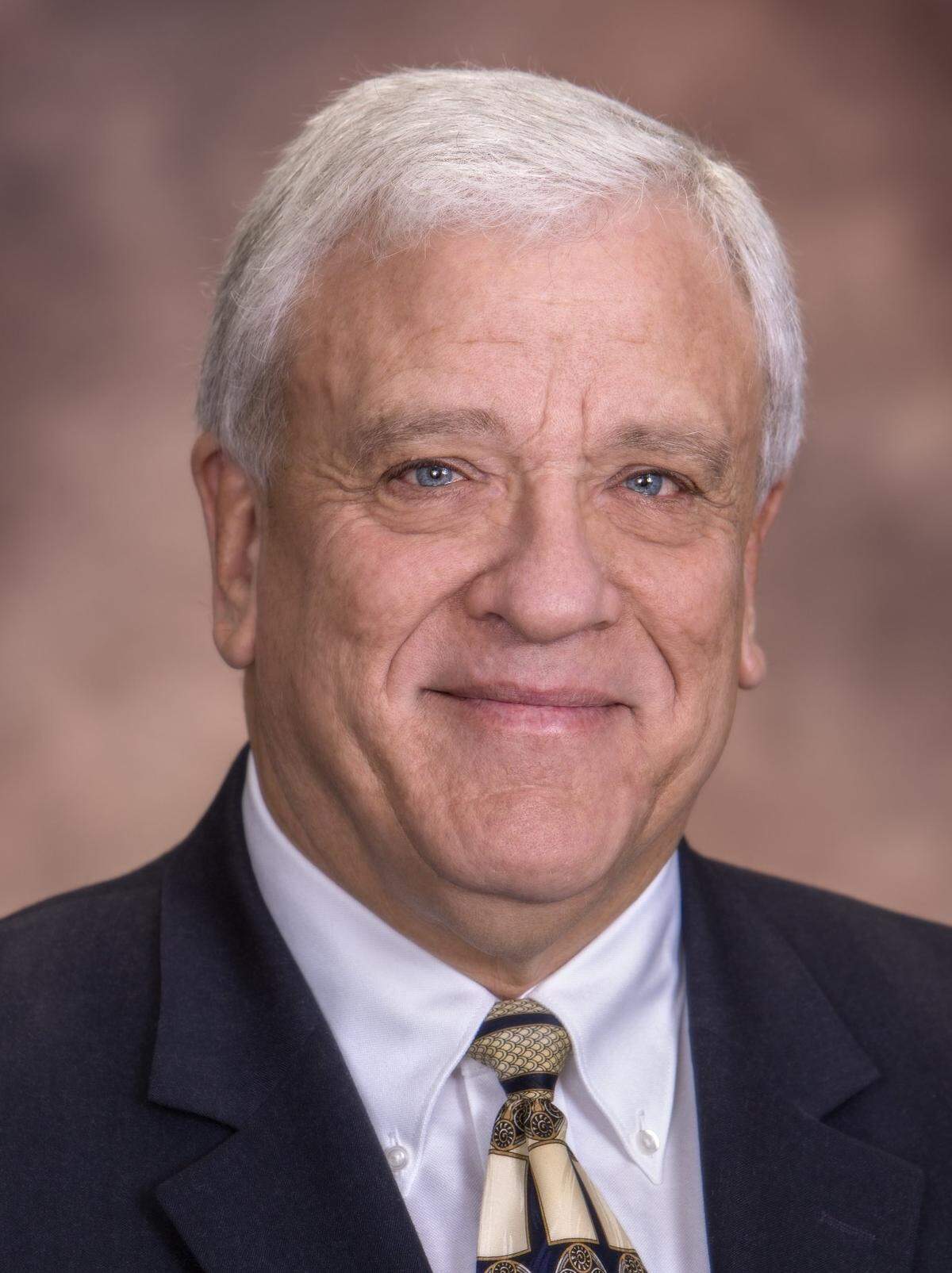
The issue came to a head after ACHD Commissioner Kent Goldthorpe posted on his personal Facebook account and on transportation-related Facebook groups that the bills would put people in danger and that he would be first in line for the criminal charges. His comments were particularly focused on Rep. Joe Palmer, R-Meridian, who sponsored the bills.
Goldthorpe used language with racist undertones, alleging that Republican lawmakers were in a slave/master relationship with House Speaker Mike Moyle, R-Star. He also called lawmakers hypocrites, babies and liars — which led the ACHD Commission to vote unanimously on Tuesday to censure Goldthorpe.
“These folks just don’t give a damn for the life or safety of a whole bunch of folks that just happen to be alive,” he wrote.
Little signed the bills on Monday. They take effect July 1.
Bill to make ACHD seats partisan and countywide fails
On Tuesday, Moyle introduced a new bill, House Bill 471, that would reshape ACHD by turning turning its elections into partisan, countywide races that “would match the process by which county commissioners are elected,” according to the bill’s statement of purpose.
The House passed that bill 58-10-2 with Rep. Jack Nelson, R-Jerome, and Lori McCann, R-Lewiston, joining eight Democrats in opposition. The bill was referred to the Senate State Affairs Committee, where it was shot down 5-4 after an hour of public testimony, mostly in opposition.
Much of the public opposition argued that roads and infrastructure are nonpolitical, but the committee members had few qualms about turning the commission seats into partisan positions. The bigger issue, said Sen. Brandon Shippy, R-New Plymouth, was that the bill could affect local control.
“If we were to move Idaho (to a system where) we could still come from our respective districts but require all the electors statewide to then vote on every election in the state … I would not support that at all,” Shippy said.
The Legislature passed bills in 2020 requiring that any city of 100,000 people or more elect its city council members by district to improve local representation, Shippy said. Moyle’s bill would do the opposite.
Garden City Mayor John Evans and Boise City Council Member Luci Willits, who spoke for herself, spoke in favor of reforming or abolishing the highway district, saying the bills missed the larger issues over bureaucratic efficiency and costs.
“For reasons that make no sense to me, we refuse to consider that we have a layer of government that we don’t need and probably is costing a small fortune,” Evans said. “You have mayors and county commissioners who would welcome a discussion on a meaningful change to the way ACHD is managed.”
This story was originally published April 3, 2025 at 1:52 PM.