Idaho Legislature approves bill ending Treasure Valley’s vehicle emissions testing
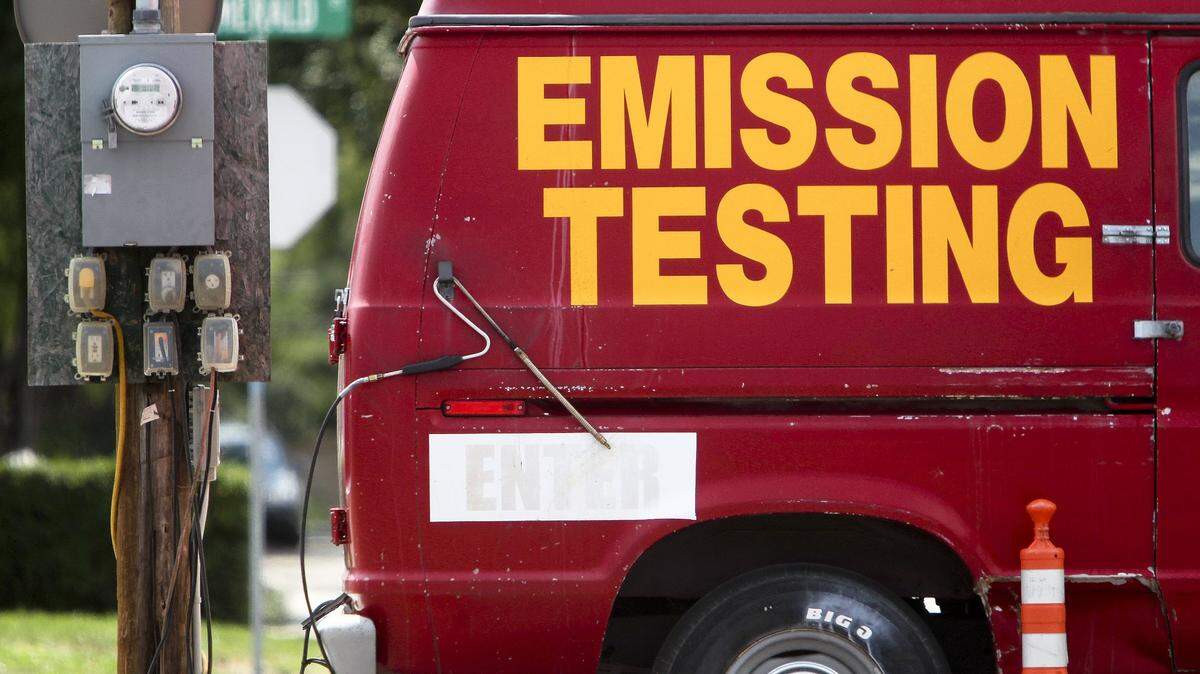
Idaho Gov. Brad Little will decide whether to eliminate vehicle emissions testing after a bill proposing the end of the air quality requirement in the state’s ’s most populous region overwhelmingly passed the Legislature Monday.
Senate Bill 1254, which passed the Idaho Senate earlier this month on a party-line vote, also received approval in the House Monday. Just five House members — all Democrats — opposed the bill, and it next heads to the Republican governor’s desk for consideration.
If Little signs the bill into law, it would repeal Idaho code that includes those testing requirements and terminate the Treasure Valley’s air quality board. The law wouldn’t take effect until at least July 2023.
Ada and Canyon counties — the state’s two most populous counties — together represent about 40% of Idaho’s population. They are the only two metropolitan areas where state law still requires emissions testing, and the proposed law would end that requirement.
“I’m not here to blow smoke today,” Rep. Brent Crane, R-Nampa, who is the bill’s House co-sponsor, told his colleagues Monday. “In 2009, I lost this fight on the (House) floor, and was pretty disgusted. … (This bill) ensures a promise that was made 15 years ago was going to be kept.”
Emissions testing assesses pollutant levels released in a car or truck’s tailpipe exhaust, including carbon dioxide — a greenhouse gas and primary contributor to climate change. Vehicles that fail an inspection by exhibiting emissions above permitted levels must be repaired and re-tested for compliance, or the owner’s registration will be revoked, making it illegal to be out on the road.
At nearly one-third, transportation makes up the largest percentage of all greenhouse gas emissions released into the atmosphere in the United States, according to the U.S. Environmental Protection Agency. Vehicle tailpipe pollutants from the burning of fossil fuels, such as diesel and unleaded gasoline, contribute significantly to global warming.
Sen. Lori Den Hartog, R-Meridian, chairs the Senate Transportation Committee and co-sponsored the bill. She said the benefits from the current emissions testing program have been “very minimal” compared to the time and effort invested to keep it running.
“Where we’re getting improvements with air quality has really nothing to do with testing and repairs,” Den Hartog told the Idaho Statesman in a phone interview. “The major things that have come through, in my mind, are fleet turnover and seeing improvements in the technology and cars producing less tailpipe emissions.”
Idaho counts more than 1.8 million registered vehicles, according to data from the Idaho Transportation Department. Of those vehicles, less than 2% statewide are gas-electric hybrid or electric-only vehicles, which produce fewer or no emissions.
Alternative fuel vehicle adoption, including electric models, is on the rise in Idaho, but still lags well behind the majority of other U.S. states, a U.S. Department of Energy survey shows. As of December, the state had a total of 3,250 registered electric vehicles, according to the Idaho Division of Motor Vehicles.
At the same time, Idaho is also one of the nation’s fastest-growing states by population, now with approximately 1.9 million residents, according to the U.S. Census Bureau. And more people means more vehicles producing emissions.
“Even when we’ve seen significant growth in the valley, we’ve still been able to meet air quality standards,” Den Hartog said. “We’re seeing more cars on the road, but the air quality has not declined.”
Emissions industry opposes bill
Scott Previtera, owner of Emission Testing Pros in Meridian, testified last week before a House committee that he’s been an auto emissions testing technician for more than 35 years. He said Idaho’s population growth, particularly in the Boise metro area, will lead to lower air quality without ongoing vehicle inspections.
Previtera said despite others’ characterizations, Treasure Valley residents actually favor maintaining the region’s inspection program. He said he asked customers at his emissions stations to support an unofficial petition to do so, and received nearly 700 signatures.
“People are concerned about the air quality here in the Treasure Valley,” Previtera told the committee. “We, as emissions testing technicians, are the only thing that stands in the way of people driving around with their check engine lights on, potentially polluting, and removing the pollution control devices from their vehicle.”
Hybrid and electric vehicles currently make up about 3% of the total number of registered vehicles within Ada and Canyon counties, according to data from the Idaho Transportation Department. That total in the Treasure Valley region also represents more than half of such alternative fuel vehicles across the state.
Emissions tests are required every other year for residents of Ada and Canyon counties. Tests cost $14, with a free re-test if the vehicle fails an inspection.
Most recently, Washington state ended its vehicle emissions program in 2020, joining at least nine other U.S. states that do not require such inspections except in rare circumstances.
There are more than 60 emissions testing stations in Ada and Canyon counties, according to the the Treasure Valley’s air quality board and the Idaho Department of Environmental Quality.
Tracy Rose, who said she’s an emissions technician, testified before the House panel last week against the bill. She said Idaho is the place it is today in part because of the current emissions monitoring program, which would end next year if Little signs the bill.
“Had that program not been instituted when it was, you would not be living in the beautiful state that you live in today,” Rose told the committee. “Do not send this with a do-pass (recommendation). Care for your constituents. Care for your state.”
Little’s office declined to comment on the bill Monday.