Check out the big impact coronavirus working at home is having on Boise area traffic
Lissa Duncan typically leaves her house in Middleton at 6:15 a.m. to get to her job at the Idaho state prison, just south of the Boise Airport. On a typical morning, the drive takes nearly 45 minutes. But in the last few days, as companies have asked employees to work from home amid the coronavirus outbreak, she’s arrived at work 15 minutes earlier than normal.
“There’s not a lot of ‘Hurry up and sit,’” Duncan said by phone. “It’s been pretty open the whole way through.”
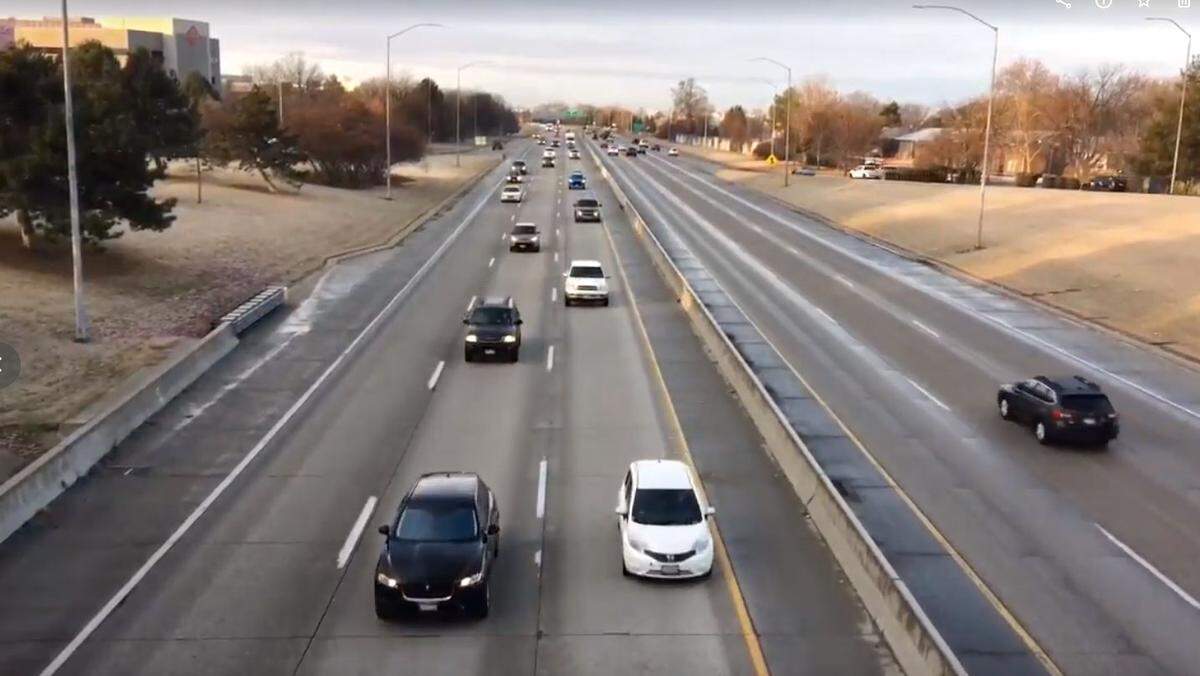
For those who can’t telecommute, there is a silver lining to the pandemic pandemonium: fewer cars on the road.
“This reminds me of the Meridian I moved to 8 years ago,” wrote Aaron Kowal on Twitter. “It’s really refreshing to have a lot less cars on the road.”
Traffic counts on Interstate 84 between Eagle Road and the connector were down 18% between Tuesday, March 10, and Tuesday, March 17, according to data from the Idaho Transportation Department.
Traffic on the I-184 Connector was down 24%. Chinden Boulevard saw a 29% reduction in traffic going both eastbound and westbound near the Connector.
Sections of the interstate farther west saw traffic reductions of just 6%.
State Street, or Idaho 44, had 28,597 cars driving on Tuesday, March 17, compared with 34,032 cars the previous Tuesday, a 19% reduction in traffic, according to data from the Ada County Highway District.
The biggest difference was in the morning eastbound commute. Traffic was down 35% from 7 a.m. to 8 a.m. Tuesday compared with a week earlier.
Use the slider to compare this week’s traffic levels to a typical weekday.
Commuters on Eagle Road are reporting faster commute times, too.
Gaël Emonnot, who works at a clinic on Eagle Road, said he usually times his commute to beat the traffic signals turning red on Eagle Road. This week, he’s gotten to work in just 10 minutes, versus 25.
“The traffic is a lot smoother,” he said in a phone interview. “It’s like Thanksgiving or Christmas.”
He suspects from the lack of Buicks on the road that there may be fewer “old people” driving.
“The right lane is not as stuffy as it usually is,” he said.
During both morning and evening commutes, live Google traffic maps — usually angry and red along Interstate 84, like the drivers who travel it — are colored in green, representing traffic flowing faster than usual.
People who are driving may also start to see gas prices drop steadily — and one expert predicts they could fall below $2 a gallon.
In downtown Boise, the lack of drivers is evident at the parking garages. At the garage on Ninth and Front Streets, a woman took advantage of the empty staircases on Wednesday, running up and down them as a workout after the gym in her building closed.
At the six garages operated by Capital City Development Corp., Boise’s urban renewal agency, occupancy rates have been slashed in half. At noon Tuesday, March 10, the garages were 67% full, according to CCDC spokeswoman Jordyn Neerdaels. The same time a week later: 37%.
The virus could hurt the garage’s revenue this year. In 2019, CCDC took in $8.6 million from its garages, which went to fund upkeep and maintenance, and projects like secure bike parking areas.
Fewer people are riding the buses, too. Valley Regional Transit says ridership fell 25% from the first week of March to the second.
“We would expect that we would have another significant decline in ridership between the second and third week in March, as the third week of March is when schools closed and people began working from home much more,” wrote Stephen Hunt, principal planner for ValleyRide, in an email to the Statesman.
The decrease in driving also comes with health benefits. With fewer drivers, air is getting cleaner. That’s important, given that some experts say air pollution can worsen the outcomes of COVID-19, the Tacoma News Tribune reported.
Bikers are rejoicing, too. On Thursday morning, Clancy Anderson, a local bike advocate, told the Statesman via Twitter that he saw so few cars out this morning that he rode his bike through a red light across State St. without stopping.
Bike riders, he wrote, are “safer with less vehicles on the road.”
This story was originally published March 19, 2020 at 1:51 PM.