Wildfires are increasing toxic mercury in Idaho streams, new study finds
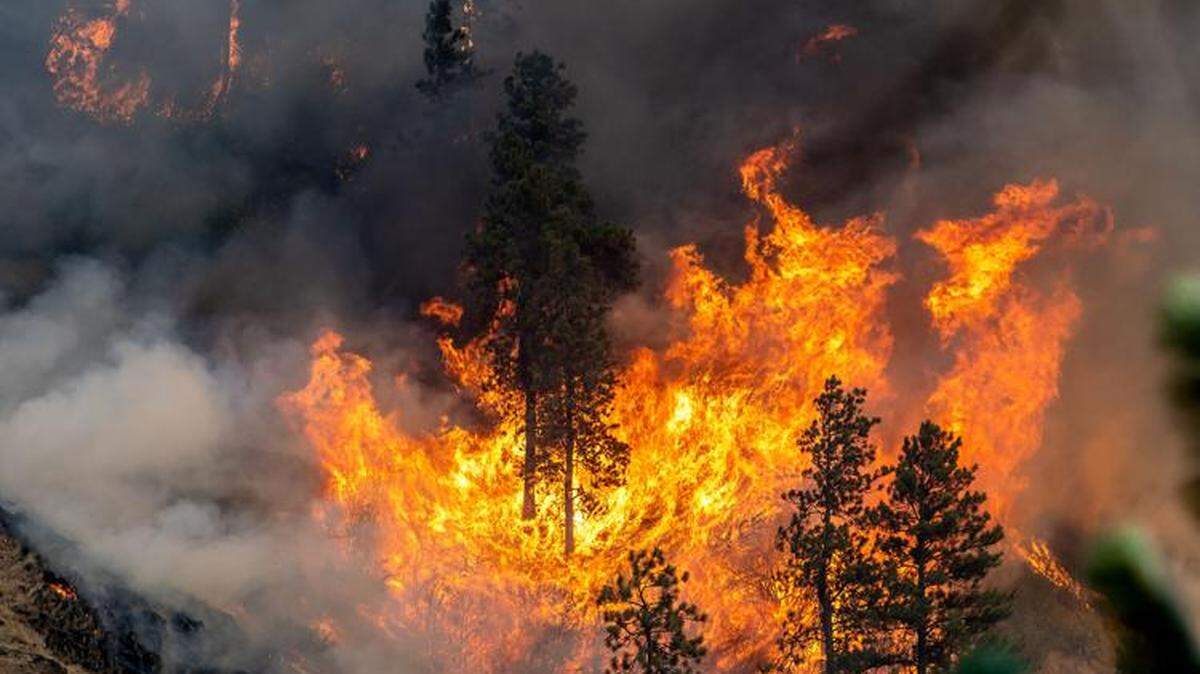
Wildfires have been burning across Idaho this summer, and their list of harmful impacts is long, from worsening health conditions because of smoke to challenges recovering millions in costs to fight them.
But a recent U.S. Geological Survey has added another bad side effect to the list: the rise of a toxic chemical.
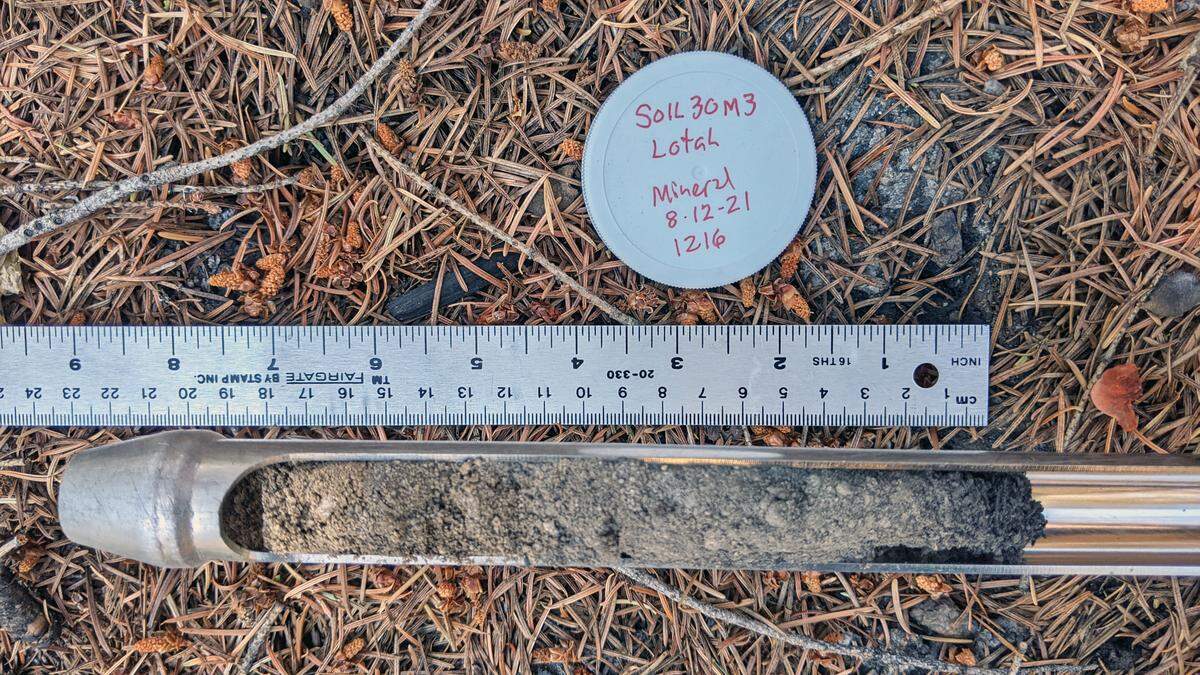
The study, which took place between 2021 and 2022, sampled 57 streams at the beginning of river systems in Idaho, Oregon and Washington for mercury, a chemical that can damage the human nervous system at high concentrations. In both water and sediment from the streams, one-year post-fire, mercury concentrations were higher.
Concentrations of methylmercury, the most toxic form of mercury that’s made when microbes add carbon to mercury, were also 178% higher in water from burned streams. Insects that filtered stream water or ate debris also had higher levels. The compound becomes dangerous as it accumulates in animals over time and gets absorbed by tissues in the body, according to the World Health Organization.
“There hasn’t been a lot of work done on the effects of wildfire on mercury,” Austin Baldwin, a USGS research hydrologist who led the study, told the Idaho Statesman. “With wildfires increasing in both severity and frequency, there was interest with me and my co-authors on knowing what are the effects.”
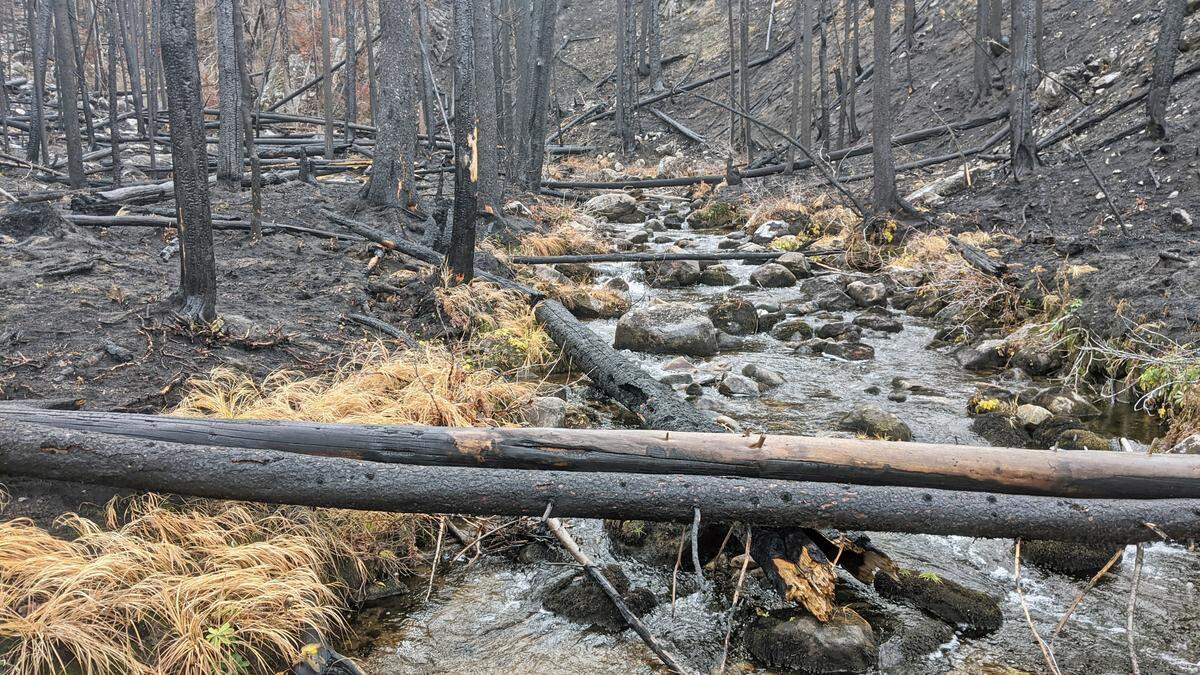
Baldwin said that when wildfires come through an area, they burn vegetation, which loosens mercury-containing soil and causes erosion into streams and mercury contamination. More studies would need to be done to understand if mercury levels after wildfires are high enough to be a concern for humans, he added.
Mercury levels likely won’t stay high forever and will taper off with major rainfall or the first snow melt after the fire, Baldwin said.
While the best solution to keep mercury out of streams would be preventing wildfires, Baldwin thinks prescribed burns could help mitigate some of the effects. The USGS study found mercury concentrations went up more in areas where wildfires were worse.
Prescribed burns, which are small fires set intentionally, can reduce the future risk of high-intensity fires by 64%, according to a study by Columbia and Stanford universities.
“If you can lower burn severities, you can also lower mercury,” Baldwin said.
Idaho tests for mercury
When people are exposed to methylmercury, it often happens through fish consumption.
The Idaho Department of Health and Welfare’s Fish Consumption Advisory Project regularly tests fish in areas commonly contaminated with mercury. When mercury levels are too high in a species, the state agency issues advisories to avoid eating the species, said Drew Pendleton, the state toxicologist.
Many of the areas that cause fish advisories in Idaho are related to mining, and Pendleton is not “too concerned” about mercury increases from the wildfires. But the research could help inform the state on future sites for testing, he said.
Pendleton recommends visiting the Center for Disease Control and Prevention and Health and Welfare websites to check for advisories on mercury exposure and learn the best methods to stay safe.
Anyone concerned about an area can reach out to the Idaho Fish Consumption Advisory Project, which will sample the water to make sure it’s mercury safe, Pendleton said.
This story was originally published August 14, 2024 at 12:33 PM.