Idaho is home to 6 endangered animal species. Can you name them?
Spring is in full swing across Idaho, which means animals are active and wildflowers are in bloom.
As you see more wildlife roaming about, it’s worth remembering that some animal and plant species in Idaho are protected under federal law as endangered or threatened.
An endangered species is “in danger of extinction throughout all or a significant portion of its range,” the U.S. Geological Survey said, while a threatened species is “likely to become endangered within the foreseeable future.”
Here’s what to know about federally protected species:
Which Idaho fish are on the endangered species list?
Kootenai River white sturgeon are restricted to a stretch of the Kootenai River that flows through Idaho, Montana and British Columbia, according to the U.S. Fish & Wildlife Service.
“The wild population now consists of an aging cohort of large, old fish,” the wildlife service said, shrinking from 7,000 white sturgeon in the 1970s to fewer than 500 adults in 2005. “There may be fewer than 50 remaining by 2030.”
The white sturgeon has been on the federal endangered species list since Sept. 6, 1994.
The Snake River is a critical habitat for a dwindling population of sockeye salmon, also commonly known as blueback salmon. The fish were listed as endangered by the National Marine Fisheries Service in 1991.
“Sockeye are the most flavorful Pacific salmon,” the Washington Department of Fish & Wildlife said on its website. “Sockeye fry are often preyed on by resident lake fish, and because they use freshwater year-round, they are susceptible to low water quality.”
Historically, an estimated 100,000 sockeye salmon returned annually to Idaho’s Payette and Sawtooth basins, the Idaho Conservation League said on its website.
Those numbers have dwindled over the decades due in part to eight dams along the Snake River.
“In 1992 a lone sockeye salmon returned from the Pacific Ocean to Redfish Lake in central Idaho,” the Idaho Conservation League said on its website. “The solitary fish was named Lonesome Larry. He became the symbol of Idaho’s imperiled salmon and steelhead runs.”
Although the federal government’s recovery goal for wild Snake River basin sockeye is a “paltry” 2,500 fish, the conservation league said, the number of wild sockeye returning to Idaho each year remains “well below” that goal.
Now the population of sockeye salmon are fully dependent on the fish hatcheries in three Idaho lakes: Redfish Lake, Pettit Lake and Alturas Lake, according to Idaho Fish and Game
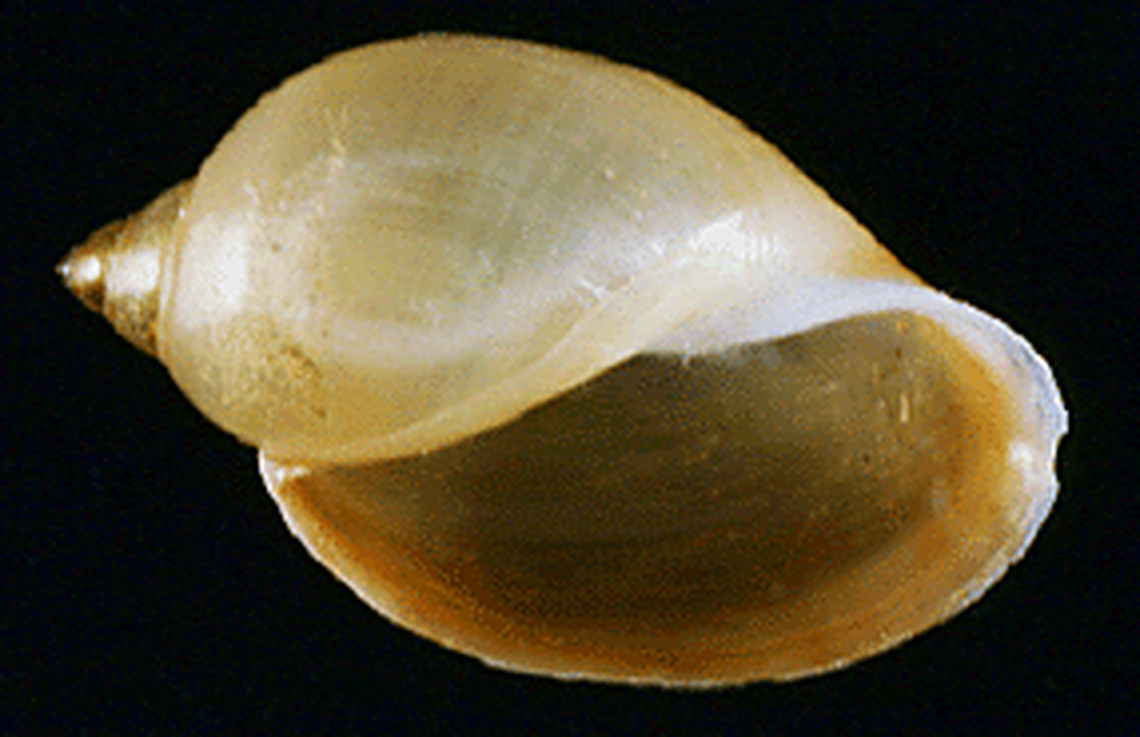
Dams, nonnative species are threats to this Idaho shellfish
Sporting a conical, cinnamon-colored shell, the Banbury Springs limpet “requires cold, clear and well-oxygenated water with swift currents,” the U.S. Fish & Wildlife Service said in its Environmental Conservation Online System.
This tiny invertebrate, which is only found in four springs along the Snake River, has been listed as endangered since 1992.
“Limpet densities within Banbury Springs have been declining for the last five years and were drastically lower in 2021-2024 than in 2019 and 2020,” the U.S. Fish & Wildlife Service said in its latest five-year review of the species’ endangered status.
Threats to the Banbury Springs limpet include habitat modification due to hydroelectric dams, decreased groundwater quality and competition from nonnative species such as the New Zealand mudsnail, according to the Idaho Governor’s Office of Species Conservation.
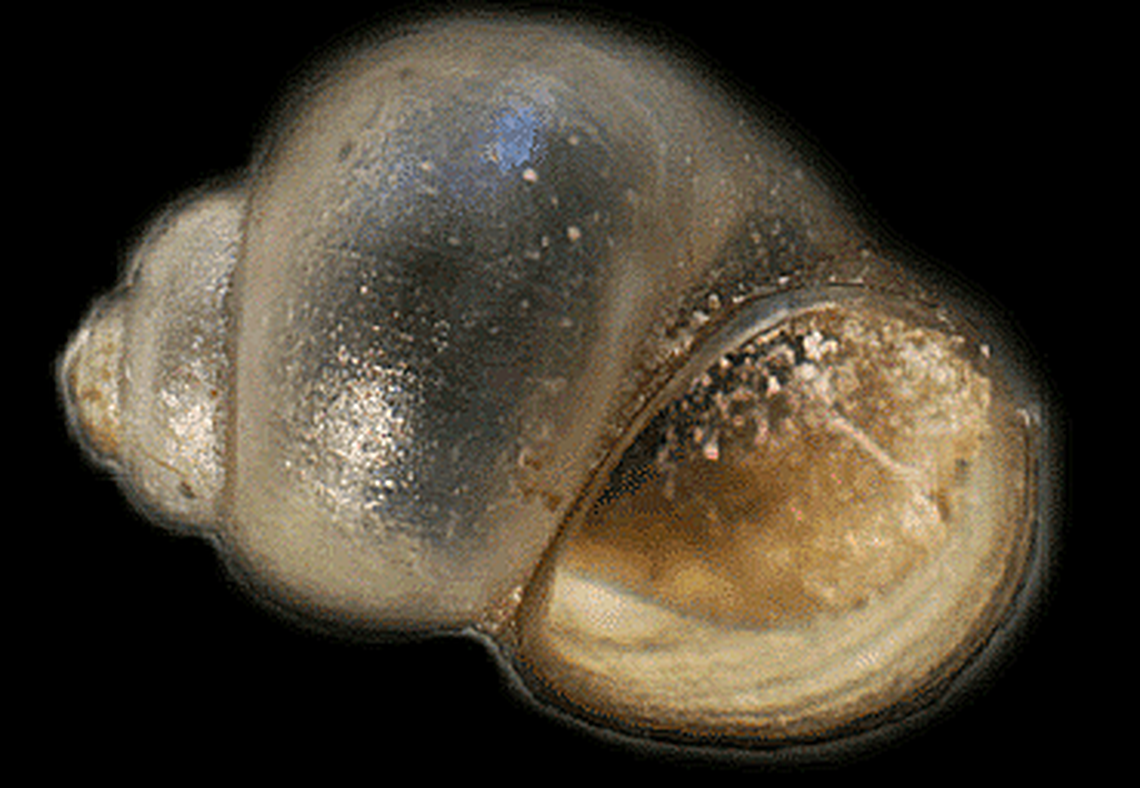
Are snails endangered in Idaho?
The Snake River physa snail is found along the Snake River between the Minidoka Dam and Ontario, Oregon, with the “highest abundances” several miles downstream of the dam, the Idaho Governor’s Office of Species Conservation said on its website. “The last time a living specimen was collected outside the Minidoka reach was in 2002.”
According to the conservation office, the physa snail has been endangered since 1992.
Water flow disruptions from dams built along the Snake River are a large contributing factor to the population’s decline
Other “ongoing threats” include water quality degradation, climate change, pollution control regulations, and a lack of state invertebrate species regulations,” the state agency said.
Also added to the endangered species list in 1992, the Bruneau hot springsnail “resides in geothermal springs and seeps along the Bruneau River in southwest Idaho,” the Governor’s Office of Species Conservation said. “The snail prefers wet rock faces on large cobbles and boulders in flowing water.”
“Bruneau hot springsnail populations are continuing to decline as their geothermal spring habitat is lost and fragmented,” the conservation office said.
Despite conservation efforts, the miniscule mollusk is “in danger of extinction,” the federal Fish & Wildlife Service said.
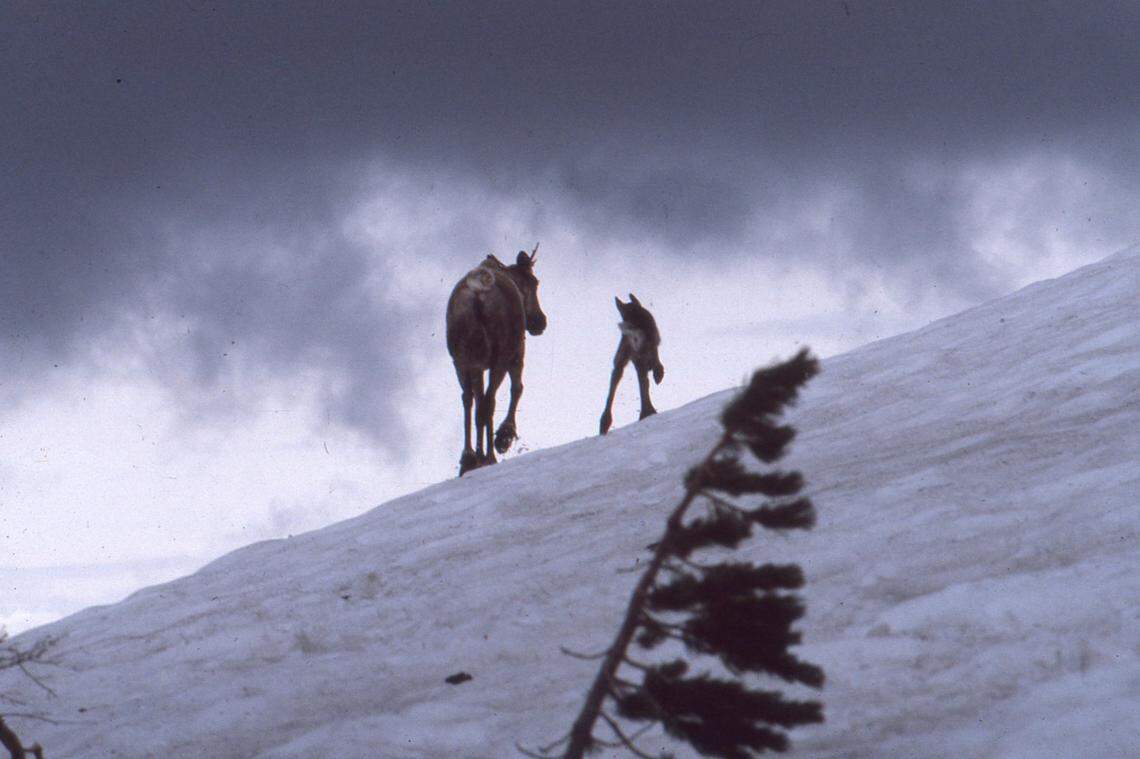
Does Idaho have any endangered mammals?
Southern mountain caribou live in “high-elevation, forested areas with deep snowfall along the inland temperate rainforest,” according to the Idaho Governor’s Office of Species Conservation, with the top of the Idaho Panhandle designated as critical habitat.
This “distinct population segment” gained federal protection under the Endangered Species Act in 2019.
“Predation, forest harvest, human development, recreation and effects due to climate change are the main factors credited for the decline in caribou populations,” the state conservation office said.
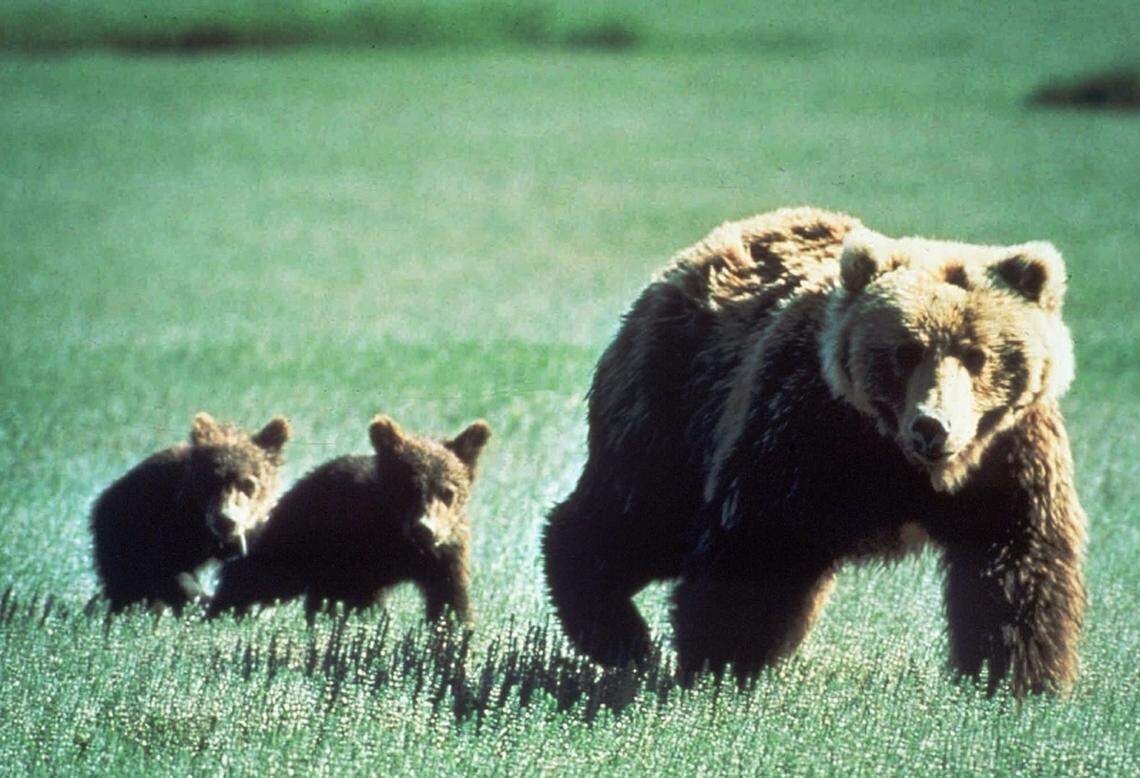
What are threatened animal and plant species in Idaho?
Idaho is also home to several animals listed as threatened under the Endangered Species Act.
According to the Idaho Governor’s Office of Species Conversation, these include the Bliss Rapids snail and yellow billed cuckoo.
Threatened fish include bull trout, Snake River Basin steelhead trout and Snake River Chinook salmon, also known as king salmon.
.jpg "WES_9694 (1).jpg")
Canada lynxes, grizzly bears and Northern Idaho ground squirrels also have threatened status under federal law.
Plants listed as protected include Macfarlane’s four-o’clock, slickspot peppergrass, Spalding’s catchfly and whitebark pine.
Although supporters have petitioned for several species found in Idaho to gain federal protection, only the monarch butterfly is considered a candidate for endangered or threatened species status.