Idaho Supreme Court rules on Sawtooths airstrip owner’s claims critics defamed him
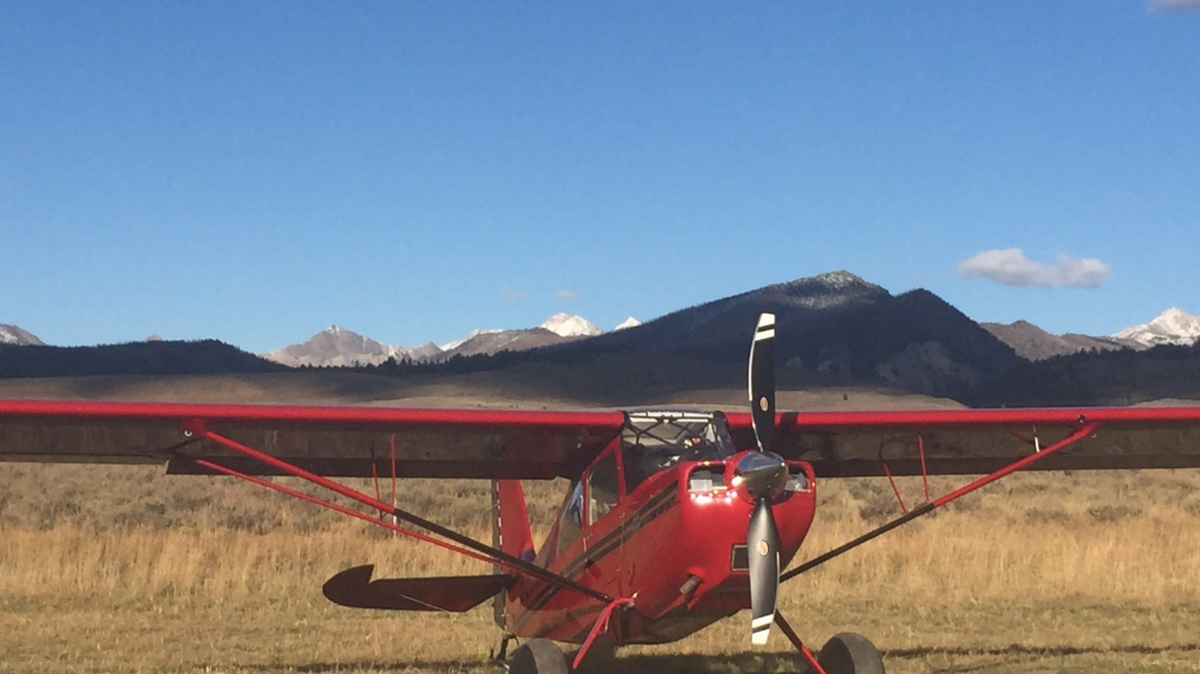
The Idaho Supreme Court has reversed a lower court’s decision to dismiss a lawsuit by businessman Michael Boren, who said he was defamed after his decision to establish an airstrip in the Sawtooth National Recreation Area.
The justices’ decision Friday struck down the argument that the lawsuit was meant to quash public criticism of Boren, and sent the case down to the 7th Judicial District, where Judge Stevan Thompson previously dismissed it.
Boren, who cofounded Clearwater Analytics with his brother David, in May 2022 sued Blaine County Housing Authority Director Sarah Michael, Sawtooth Search and Rescue Cmdr. Gary Gadwa, Boise video producer Jon Conti and Blaine County Commissioner Dick Fosbury, who died of cancer last year. Gadwa and Michael were the only defendants included in the Supreme Court appeal.
The Idaho Supreme Court’s unanimous decision focused on the lower court’s proceedings rather than the defamation claims themselves. The justices said they make no judgment on the merit of Boren’s defamation argument and remanded the case back to Thompson, who presides on cases in Jefferson County, in spite of an appeal from Boren to disqualify the judge from the case.
An attorney for Boren did not immediately respond to a request for comment on the ruling. Todd Cranney, a spokesperson for Boren’s family, told the Statesman when the complaint was filed that the lawsuit is “a last resort by Mike Boren to cure the misinformation and baseless rumors that he ‘built an illegal airport’ on his ranch in the SNRA and lied about it to government officials.”
Michael’s attorney also didn’t respond to a request for comment. Michael last year said the lawsuit was financially devastating, but that free speech and the Sawtooth National Recreation Area are “worth fighting for.”
The Pennsylvania-based free speech defense nonprofit Foundation for Individual Rights and Expression, or FIRE, is defending Gadwa. An attorney from the group said FIRE is disappointed in the ruling.
“Gary’s fight for his freedom of speech doesn’t end here,” senior supervising attorney JT Morris said in an emailed statement. “And FIRE will continue to fight for all Americans’ right to voice their opinions on public issues, without being silenced by powerful actors.”
Supreme Court calls dismissal erroneous
Boren’s lawsuit said the defendants harmed his reputation and put his family in danger when they said, online and in media outlets, that he broke laws while using the airstrip at his Hell Roaring Ranch property on Idaho 75 highway. They criticized the airstrip in 2021 when Boren sought a conditional use permit from Custer County Planning and Zoning, which the agency granted.
Critics said Boren was disturbing the peaceful, scenic nature of the Sawtooth National Recreation Area, where his ranch is located, and was dishonest about his use of the airstrip. He had said he intended for it to be available as a first responder landing area rather than simply for his own personal use.
Thompson dismissed the case in 2022 on the grounds that the defendants had “litigation privilege,” which means that essentially their claims about Boren were protected because they were made in the context of the permit application. In his dismissal, Thompson asked the Supreme Court for guidance on strategic lawsuits against public participation — also known as SLAPP lawsuits.
Thompson agreed with the defendants and wrote that Boren’s case had “many of the key characteristics of a SLAPP suit.” In a brief filed with the Supreme Court last year, attorneys for Gadwa and Michael said Boren’s lawsuit was meant to silence public criticism and lacked any kind of merit.
Thompson denied a motion from Boren’s attorneys to file an amended complaint they said would add details about the alleged damages to Boren’s reputation.
The Supreme Court ruling said Thompson erred in dismissing the case. Justice Colleen Zahn, who wrote the decision, said documents entered into the court record did not clearly show that the defendants’ comments about Boren and his airstrip were protected by association with the permitting process.
The ruling also struck down defendants’ argument that the case constituted a SLAPP lawsuit. While many states have laws against SLAPP lawsuits, Idaho is not among them. The justices pointed out that Idaho lawmakers earlier this year rejected a bill that would have created an anti-SLAPP statute.
Boren in his appeal to the Supreme Court asked that Thompson be disqualified from the case for bias and ignoring existing legal precedent. The Supreme Court ruling said that, while Thompson made errors by dismissing some of the defamation claims in the case, his actions didn’t warrant that he be taken off the case.
This story was originally published December 10, 2024 at 4:00 AM.