Caldwell school board hears feedback on gender identity, sexual orientation proposal
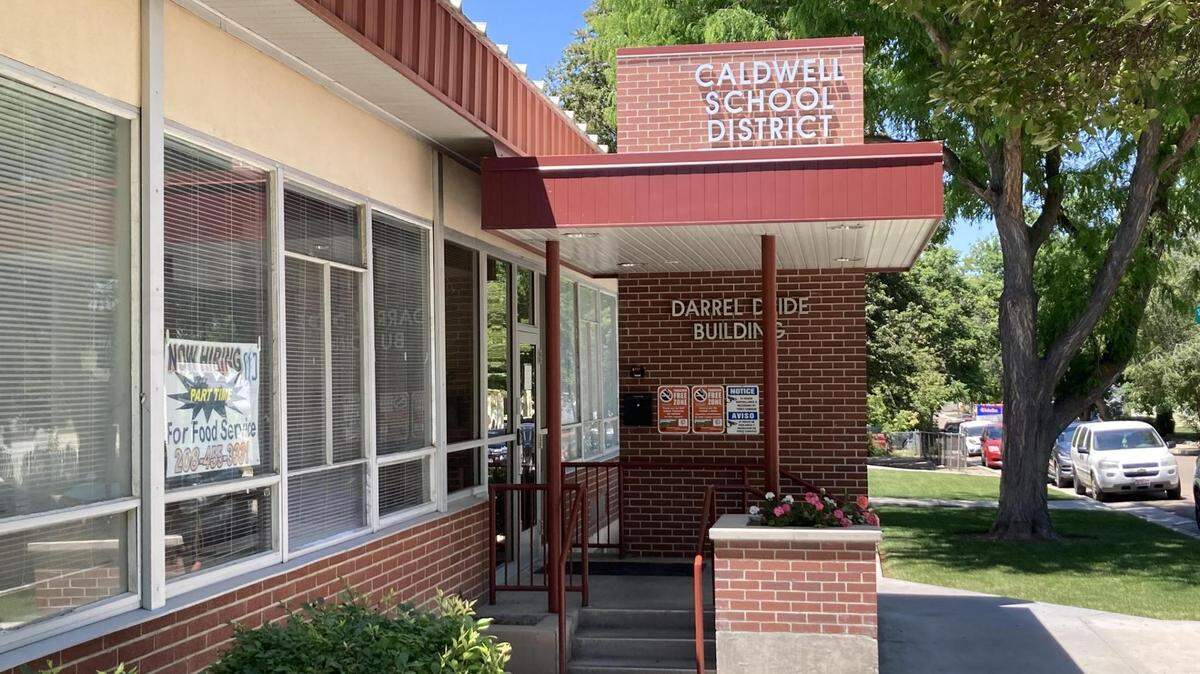
The Caldwell School District is considering a policy proposal that would offer school staff guidance on how to address a student’s sexual orientation and gender identity — and both sides of the issue have made their voices heard.
The proposal includes protocols for school activities such as overnight field trips, restroom use and student privacy. According to the proposal, school employees who do not abide by the policy could be subject to disciplinary action.
“The Caldwell School District Board of Trustees believes in fostering an educational environment that is safe and free of discrimination for all students, regardless of sexual orientation, gender identity, or gender expression,” the policy proposal reads.
The proposal lists definitions for sexual orientation, gender identity, gender expression and transgender, and spells out rules for staff surrounding the terms.
The policy states that students may use the restroom and locker room that correspond with their expressed gender identity at school. It also stipulates that a student may not be denied the right to go on an overnight field trip based on their sexual orientation or gender identity.
Jessica Watts, Caldwell School District spokesperson, told the Idaho Statesman that the district’s plan is based on a model from the Idaho School Boards Association.
“Proposed Policy 3281, Gender Identity and Sexual Orientation, is a proposed policy and is still being vetted,” Watts said in an email. “We are in the process of gathering input from patrons, administrators and working with our attorney.”
There still is not a set date for the proposed policy to go to a first reading, Watts said.
Promoting mental health in LGBTQ youth
The first time the proposal appeared on the board’s agenda was Dec. 12, and during the public comment portion of the monthly meeting, people spoke up strongly in favor and against.
Tammy Dittenber, who was raised and educated in Caldwell, said gender-affirming support from schools plays an important role in promoting mental health in LGBTQ children.
During the meeting, she cited data from The Trevor Project’s 2022 National Survey on LGBTQ Youth Mental Health. It found that 45% of LGBTQ youth seriously considered attempting suicide in the past year, and fewer than one in three transgender and nonbinary youths found their home to be gender-affirming.
Dittenber recalled a friend, Jodie, who she met in fourth grade. Her friend, who was LGBTQ, died by suicide at 23.
“She was funny, smart, adorable ... a gifted musician,” Dittenber said. “I stayed in touch with her until after graduation, and I watched as her dignity waned. She struggled with her mental health brought on by the trauma of living a life feeling unaccepted by her family, her church and her school.”
Dittenber, who graduated from Caldwell High School in 1976, said she wants all students to be treated with dignity and respect, no matter their gender identity or sexual orientation.
A Republican politician and his wife lead opposition
Incoming state Sen. Chris Trakel, R-Caldwell, who was elected in November after defeating more moderate Republican Greg Chaney in the primary in May, claimed that the policy would put nontransgender people “at risk” to protect a minority of the population.
“The majority in our country does not bend to a minority … so I don’t know why you are suggesting that it is that way now,” he said.
Restrictive laws nationwide targeting transgender individuals have led to a litany of lawsuits — Idaho has lost in court over anti-transgender legislation championed by Republicans and seen other laws put on hold while suits are pending — but Trakel told the board that he thinks a policy protecting the rights of LGBTQ and trans students also would prompt legal action.
“I don’t know if the school board is prepared for the litigation that might come out of this,” he said at the meeting. “This school and the district will be sued into oblivion, and I hope you’re ready for that.”
Trakel’s wife, Nicole, also spoke at the meeting. She said students should not be allowed to express a different gender without a mental health diagnosis or parental consent.
She also said the confidentiality section of the proposal “feels secretive,” referring to a clause that says school staff must use the name and pronouns expressed by a student at school, but must not disclose a student’s gender identity or sexual orientation to others — including parents — unless such disclosure has been authorized.