Boise schools add ‘gender identity’ to district grievance policy. Here’s what that means
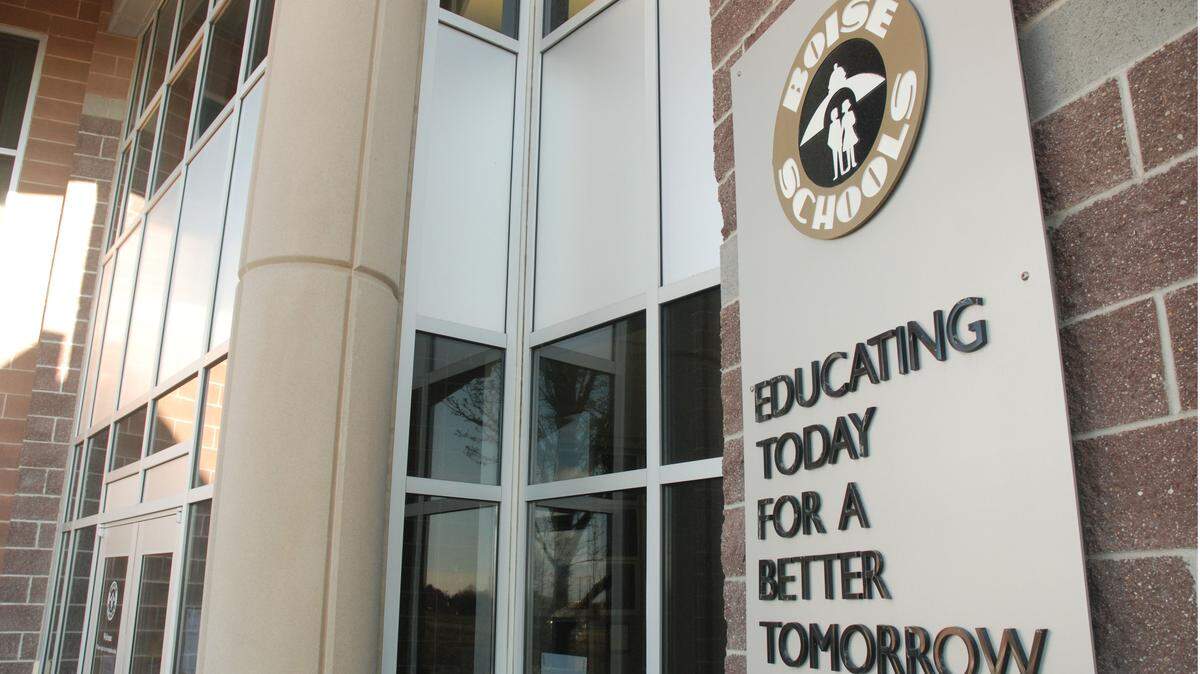
Students and staff in the Boise School District now have clearer guidance that they can file a grievance if they face discrimination over their gender identity.
The Boise school board on Monday approved an update to its civil rights grievance policy to include “gender identity” among the reasons someone could file a grievance.
The revision — which district officials said was not a significant change in district policy — faced some pushback from parents who were concerned it could have an impact on the district’s bathroom policies or open up teachers to more grievances.
The updated policy reads: “Anyone who believes that they have been the recipient of illegal discrimination or harassment, based on race, color, national origin, sex, religion, age, disability, political beliefs, sexual orientation, gender identity, or marital or family status may file a grievance in accordance with this policy.” The updated policy also changes instances where it read “he/she” to “they.”
Previously, the policy referenced “sexual orientation/identity,” spokesperson Dan Hollar told the Statesman last month.
“This does not substantively change the district’s policy, nor its commitment to both treating all students in a fair and equitable manner, and complying with federal law,” Hollar said in an email to the Statesman.
Parents raise concerns about revision
During the district’s June board meeting, a few parents spoke out about the revision, raising concerns that adding gender identity would open up teachers to grievances if they identified a student using the wrong pronoun, or would put students in danger if others were allowed to use the bathroom and locker rooms that corresponded to their gender identity.
During the meeting Monday, Dan Skinner, general counsel for the Boise School District, said the policy would not impact the district’s bathroom policies. The district follows federal law and allows access to bathrooms based on a student or staff member’s gender identity. The district also provides anyone who isn’t comfortable going the bathroom with their peers with accommodations.
According to the National Center for Transgender Equality, transgender-inclusive policies “are not a safety risk.”
“Hundreds of cities, school districts, and 18 states already protect transgender people’s right to use restrooms, and none have seen a rise in incidents of people attacking anyone or of people pretending to be transgender in order to get access to restrooms,” a 2016 document from the organization said.
Sandy Cardon — who founded the Boise Parents Association, which pushed to remove schools’ COVID-19 mask requirements — said during the June meeting that the district hadn’t defined what kinds of “offenses” could qualify for a civil rights violation with gender identity. The district also doesn’t have “readily accessible rules or guidelines regarding gender identity,” she said at the meeting.
She asked whether it would be a violation if a teacher or student used the wrong pronoun or name for a student.
“Are secondary teachers expected to keep up with different pronouns and names of over 100 students or risk violating these policies?” she asked.
She warned the district that adopting the policy, including gender identity, could put teachers and students at risk.
“By adopting this change to the civil rights policy without defining or creating policies, rules or guidelines surrounding topics specific to gender identity, while simultaneously refusing to answer questions about the topic, the district is subjecting thousands of teachers, students and staff with potential civil rights or harassment violations that they’re not even aware exist or which might violate their own speech privacy or safety,” she said.
Another parent called for the board to consider forgoing federal funding if this change was due to federal policies.
‘Nothing is changing in the process’
Board President Dave Wagers said last month the changes are an effort to meet federal guidelines and “update some outdated language.”
“No substantive changes are being made to the way that we currently handle civil rights grievances,” he told the Statesman in an email. “I understand this is a contentious issue for some, but federal law mandates that we handle civil rights grievances appropriately.”
Skinner also said Monday that the district had not, to his knowledge, received any behavioral issues or complaints from students on its bathroom policy.
“We’re changing the policy to move it into accord with what we’re doing,” Skinner said. “So really nothing is changing in the process so much, as what we’re trying to do is clarify it on paper for students and staff and patrons so they know what to expect if something like this does arise.”
This story was originally published July 12, 2022 at 12:16 PM.