Boise School District wants to improve equity in its schools. Here’s what that means
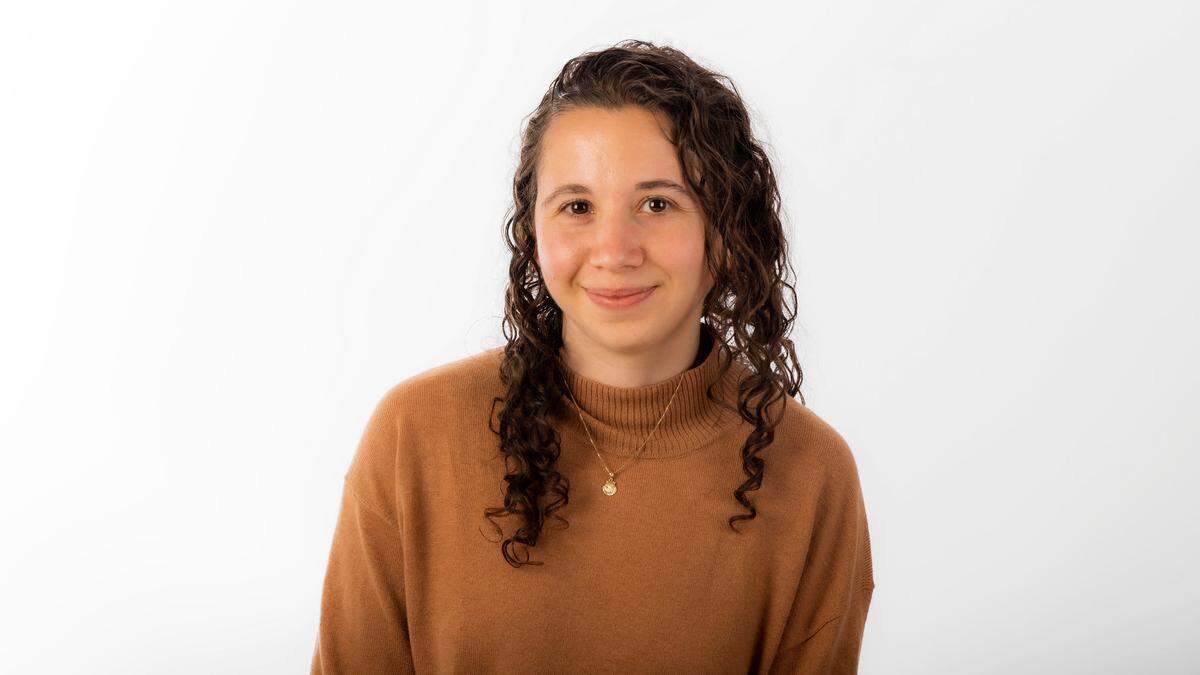
The first thing Dani Backer wanted to do last year in her new position as the Boise School District’s equity, diversity and inclusion supervisor was listen to the community, she said.
Over the past several months, she helped put together listening sessions with parents, students and community members in the district to get feedback and talk about their experiences and needs.
“Part of the goal of that was to figure out the direction that we needed to go with equity, diversity and inclusion,” she told the Idaho Statesman. “And one of the things that really stood out from the feedback from our community was that all of our buildings are so different and have different needs.”
That’s where the idea was born to choose equity leads for each school building. The position will be a point person to listen to the specific needs in that building and find out how the schools can be more welcoming and inclusive of every student. For the next year, those equity leads will focus on doing what Backer did this past year: listening.
Last month, the position was targeted by Lt. Gov. Janice McGeachin’s task force looking into claims of indoctrination in Idaho schools. When the task force met in June for its second meeting, the job description for one of the district’s building equity leads was on the first page of the documents Rep. Priscilla Giddings presented as examples in K-12 schools.
Ryan Hill, communications specialist with the Boise School District, said he wasn’t necessarily surprised the position was included in the examples, since it had the word equity in it, which “seemed to be a boogeyman for them,” he said.
“I was really disappointed that they were unable to see beyond the propaganda at what equity really means,” he said, “and what that really does and how that has been proven to improve student outcomes.”
‘We need to listen to everybody’
Backer, who also serves as the Boise School District’s social studies and world languages supervisor, was picked last year as the equity, diversity and inclusion (EDI) supervisor, a new position for the district. Part of the idea for the position was to “have a person who ensures that all of our conversations and all of our decisions have an equity lens to them,” she said.
Between January and May this year, she said the district worked to hold several listening sessions with members of the community. Because of the pandemic, all of those sessions were held online.
Backer said she was surprised to see how different each listening session was.
“It was just interesting to hear the different perspectives that people have in different buildings,” she said. “And I do think it’s important that we take the time to really listen, before we form any kind of agenda in our own minds.”
One trend she saw was concerns about the district needing to have better communication with parents whose first language wasn’t English.
But beyond that, she said, “there weren’t really that many trends in those.” That told her the district needed to have more opportunities to listen to people. Through the sessions, she also learned how important it would be to have someone serve the individual needs of each school.
“That led us to the idea that it would be better, instead of having a district committee, to have small committees in each of our schools with a person that is a leader of that committee,” she said. “And then those people could come back together quarterly, and we can talk about trends that we’re seeing in our schools and things that need to be happening at a district level, but also things that need to be happening in individual schools.”
From there, the job description for the building equity lead was created. The job description said the position will “support the building Equity Team and promote a culture of equity and inclusion for all students, families, employees and community.”
“The Building Equity Lead will collaborate with the district EDI committee around equity issues and potential equity issues,” the description said.
Now, schools are in the process of selecting people to serve in those positions. It is a stipend position and principals of the buildings are charged with choosing people who best fit the description, Backer said. The district is hoping most of those people will be selected by the fall. The district is paying $49,000 total per year, Backer said. Each position is paid a leadership stipend of $1,000.
Some of the main qualifications Backer said she wants to see in the people chosen for the position include being a good listener and a good facilitator of conversations.
“I think that’s so important, because we have lots of different people that attend our schools,” she said, “and we need to listen to everybody and be open to having conversations with everyone who attends our schools.”
What is a building equity lead?
Because the position is so new and is being driven by individual communities, it could look different in each school, Backer said. But the main goal of the building equity lead is simple.
“Our big goal is that all of our schools are safe and welcoming places for all of our students and parents and community members,” Backer said. “And so those positions, that will be their ultimate goal, is that when anybody walks into a building, they feel welcomed and safe in that building.”
To do that, Backer said, the people chosen for these positions will prioritize listening during the first year. The district also wants to build up those people as leaders and will provide training to help facilitate that. The leads will also be putting together equity committees at their schools, made up of members with different perspectives, including parents, students, administrators and staff.
“It’s going to be a lot of listening and a lot of setting the structure for those committees this year,” Backer said. “What we want to make sure that we’re always doing I think as a school district wide is that we’re growing with our community.”
Going forward, the building equity leads will look at the feedback they get this year and anything that might need to be adjusted in their buildings. They will also be looking at student data from an equity lens, Backer said.
Hill said the position is an effort to center the concerns and differences across all of the district’s schools.
“This is not some series of edicts or mandates issued from the central office,” Hill said. “This is a really organic, grassroots effort being led to make sure that each school is doing what they can to create that safe and welcoming learning environment.”
In the future, some of the things that building equity leads learn could help drive some recommendations for policies, Backer said. But, this year is primarily about building a foundation and fostering those relationships in the community.
“I think those listening sessions are really going to help the school understand … where they are making people feel welcome and safe, and maybe areas that they’re not,” she said, “and some of those things might be able to just be tweaked and fixed right away, or some of them might require a larger conversation with their community.”
Response to the task force
During the task force meeting last month, Giddings presented a number of examples from K-12 schools, which included the building equity lead position, along with documents that cited Black Lives Matter or Nikole Hannah-Jones’s 1619 Project. Several of the documents presented also included the word equity.
Giddings did not expand on what specifically she took issue with in the building equity lead job description. She did not respond to the Statesman’s request for comment.
Backer said she’d be happy to have people visit classrooms to understand what is going on in the district. Teachers and staff, she said, are transparent about what they teach and how they teach it.
“Nobody’s reached out to talk to me or to meet with me or to meet with any of the teachers that I work with,” she said. “I would love to have an opportunity to communicate and to listen and to find out what the concerns are other than just having it put up on a website.”
The Boise School District has embraced the concepts behind equity, inclusion and diversity for years, Hill said. It plans to continue its efforts, driven by locally elected school board members and the local community.
“It’s clear that some members of the task force have some issues with equity overall, that providing the level of support that each student needs to succeed is a principal that they disagree with,” Hill said. “We embrace that principle.”
This story was originally published July 26, 2021 at 4:00 AM.