No SAT, no problem: Idaho’s colleges and universities could drop entrance exam requirement
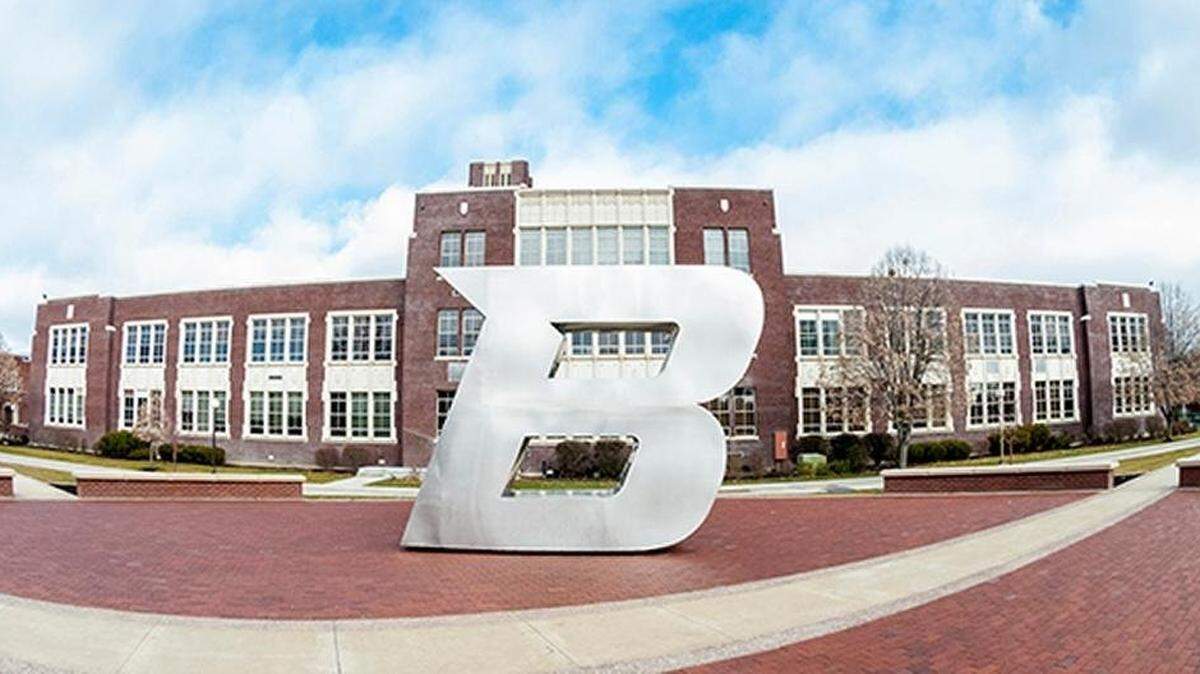
Students applying to Idaho’s colleges and universities might not have to submit scores from college entrance exams going forward.
The Idaho State Board of Education on Wednesday moved to remove the minimum requirement that students need a college entrance exam, such as an SAT or ACT, for admission to one of the state’s four-year institutions.
But that doesn’t mean colleges and universities can’t still mandate the exams — if they choose to.
“There are a couple of reasons for this. This has been a long conversation over many years. I think the most compelling one for me … was the fact that there’s a growing body of research suggesting that college entrance exam scores don’t predict success and that GPA and other factors are more important,” Chief Academic Officer TJ Bliss said during Wednesday’s meeting.
“And our institutions have recognized that.”
The State Board last year waived the requirement due to the coronavirus pandemic.
Bliss said there is also a national movement of universities and colleges across the country moving away from requiring the tests for admissions.
“So another compelling argument is competition,” he said. “And some of our institutions have raised that.”
If other colleges and universities across the country are not requiring the exams, then Idaho’s institutions could be at a “competitive disadvantage” if they do, he said.
The policy the board amended doesn’t mean high school students in Idaho will get out of taking the tests as a graduation requirement, though.
Mike Sharp, director of media relations at Boise State University, said there are other measures universities look at in the admissions process.
“Eliminating standardized test requirements has the potential to reduce barriers, increase access, and, in some cases, eliminate some costs for students. These are all valuable outcomes,” Sharp said in an email.
“Standardized tests are not, in isolation, good predictors of student success. In fact, test scores correlate more strongly with family income than they do with academic success.”
A student’s GPA can often be a better “single-factor predictor,” he said. In the past, the university has used a combination of GPA and test scores.
“Ensuring student success and support is of vital importance to us,” he said. “We can achieve these ends without test scores by using essays, local placement tests, and letters of reference, for example. Without test scores, we will have to ensure that students, families and counselors are aware of the value of those supplemental materials.”
Jodi Walker, senior director of communications at the University of Idaho, said even before the pandemic, schools were deciding whether they should waive the requirement because they are “not universally predictive in the success of a student in college.”
“A student’s high school GPA is a good predictor of their ability to succeed at U of I,” she said in an email.
Over the past year, a lot of students were struggling to get access to standardized tests because of the coronavirus pandemic, said Dean Kahler, vice provost for enrollment management at the University of Idaho.
Some students were able to connect to resources they needed, but there was also a chunk of students who struggled, he said. With the ability to waive the exam requirement during the pandemic, it eliminated one obstacle for students applying to college, he said.
The university is still considering its long-term plans relating to college entrance exams, he said.
“I think that if someone does not have access to a college or a university because they can’t get a test,” Kahler said, “then I think that that is a problem.”
This story was originally published June 17, 2021 at 4:00 AM.