Concordia law students ask for help from Idaho, Oregon attorneys general
Jenny Hoppie breathed a sigh of relief in February when Concordia University School of Law announced that oversight of the Boise school would transfer from the parent Lutheran university in Portland to another Lutheran university in St. Paul, Minnesota.
The announcement explained that Concordia University St. Paul would take over the program and provide a seamless transition when classes resumed this fall. It came weeks after Concordia Portland announced that it was closing because of financial problems.
But in June, both universities said the deal had fallen apart. The law school would shut down.
That gave Hoppie, 47, and her 146 continuing classmates less than two months to be accepted and enroll in another law school before classes begin.
“Concordia had information that had it been disclosed earlier would have allowed students to have a lot more opportunities to make alternative educational arrangements,” Hoppie said by phone. “Because they failed to disclose that information sooner, there’s a variety of financial impacts that students are now suffering.”
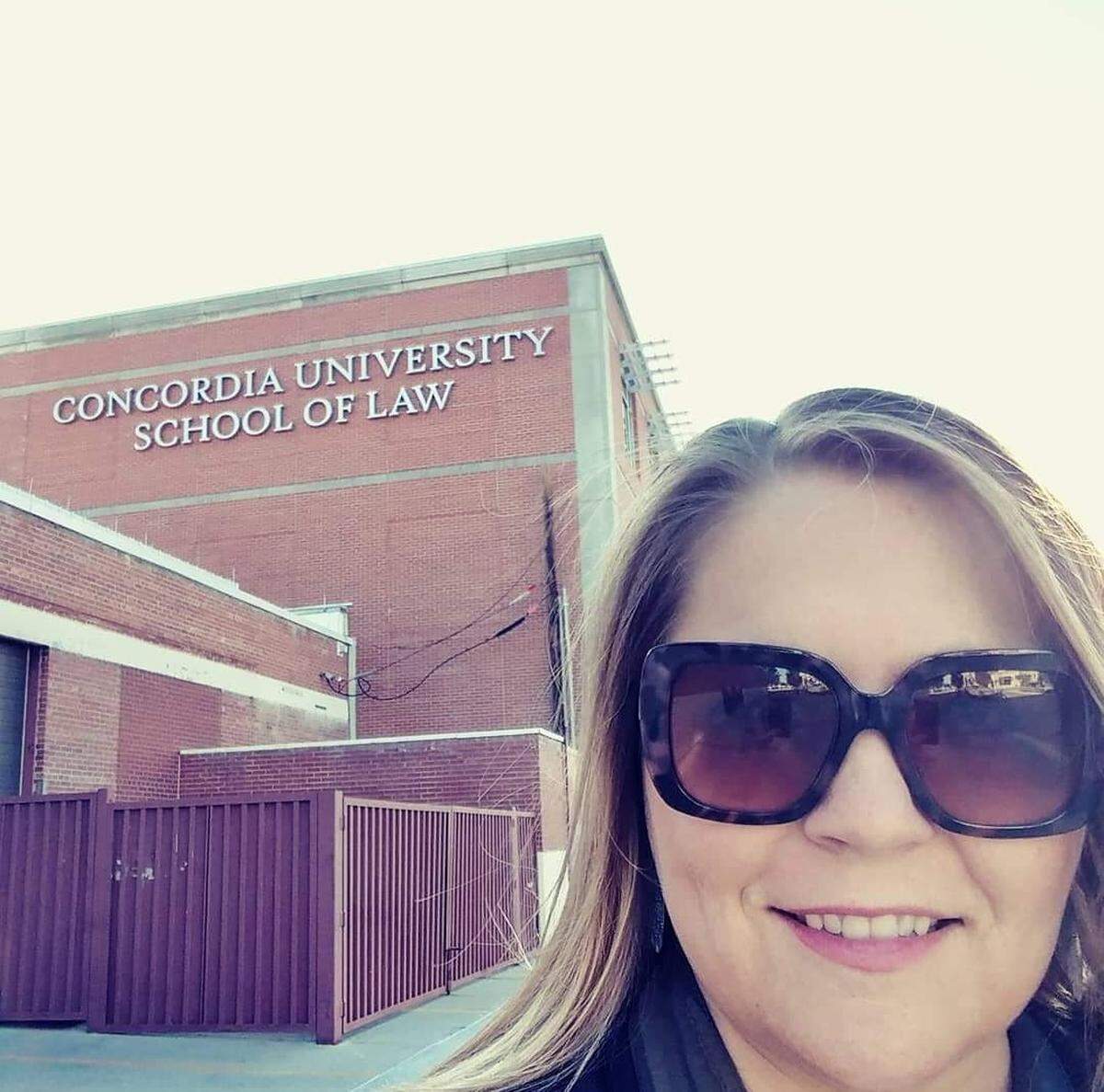
Hoppie and a group of students have asked the attorneys general in Idaho and Oregon for help. The students say Concordia has failed to live up to its obligations to help students find placement in other law schools.
“Concordia Law’s roughly 147 students face significant harm from this closure due to the abandonment of the Teach-Out Plan,” said the letter signed by about 30 students to Idaho Attorney General Lawrence Wasden. “The transfer application deadlines for many law schools had already passed by the date of the closure announcement or were scheduled to close within days of the announcement.”
Under federal law, accredited colleges and universities are required to have what is called a teach-out plan to help students find and enroll in another school without complication in case of a closure or elimination of a program. The plan is also supposed to minimize the financial harm to students.
A Wasden spokesperson confirmed that the Attorney General’s Office received the letter but declined comment.
The Oregon Department of Justice’s Charities Section is reviewing the letter, and further information may be available next week, said Karynn Fish, spokesperson for Oregon Attorney General Ellen Rosenblum, by email.

Latonia Haney Keith, interim dean of the law school, said she and the school’s faculty and staff were “disheartened” by the failed deal between the Concordia universities in Portland and St. Paul. Many staff members were laid off within days of the June announcement and the rest within six weeks.
“That said, the Concordia Law team immediately contacted partner institutions on behalf of each of our law students to effectuate the transfer of our law students to other law schools, actively working with more than 35 law schools,” Haney Keith said in an email. “In particular, we developed preferred partnerships with the University of Idaho College of Law, the University of North Dakota School of Law, Creighton University School of Law, Mississippi University School of Law and Washburn University School of Law.
“The remaining faculty and staff worked one-on-one with all current and (incoming) students to ensure to the extent possible that every single student found a new law school home.”
Concordia submitted a revised teach-out plan to the American Bar Association last month. It was approved by the ABA Council on July 17, she said.
A call and email to the ABA seeking a copy of the plan were not returned Thursday. Hoppie said she was unaware that a revised plan had been approved. She also reached out to the ABA on Thursday to ask for a copy.
The University of Idaho says it will enroll about 110 of Concordia’s 145 students, a spokesman told the Statesman by phone. All but two will attend classes at the Boise campus. The others will go to the law school’s main campus in Moscow.
Many Concordia students received tuition discounts and scholarships to bring down the cost of attending the school, which charged $29,250 for annual tuition. That financial aid is not transferable to another law school, and because of the late announcement that Concordia would not reopen this fall, students missed out on scholarships and other financial aid available from other schools.
Hoppie, a second-year student who is looking to enroll at the William S. Boyd School of Law at the University of Nevada at Las Vegas, said she’s now looking at having to spend $37,800 in yearly tuition. Ninety percent of her tuition at Concordia was covered by a scholarship, so her out-of-pocket expense will be significant.
.JPG "Capture (crop).JPG")
Hoppie, from American Fork, Utah, returned home to Utah after the outbreak of the coronavirus pandemic. Had she known Concordia would not reopen, she said she would have stayed in Boise, obtained Idaho residency and finished her legal education at the University of Idaho College of Law’s Boise campus.
The University of Idaho is charging in-state law students $22,760 in tuition for the 2020-21 school year. Out-of-state students pay $41,996.
Because Concordia’s announcement came so late, Hoppie said she was unable to obtain transcripts and get an application in to the J. Reuben Clark Law School at Brigham Young University in Provo, Utah, near her hometown of American Fork. The application deadlines at many other schools had already passed.
“My dream was to do to law school and become a better advocate for clients and to help people who have needs,” Hoppie said. “I knew it wasn’t going to come easy, but I need to stick with it.”
This story was originally published August 7, 2020 at 4:00 AM.