How did Kohberger’s attorneys spend $5.5 million? Our legal action seeks those answers
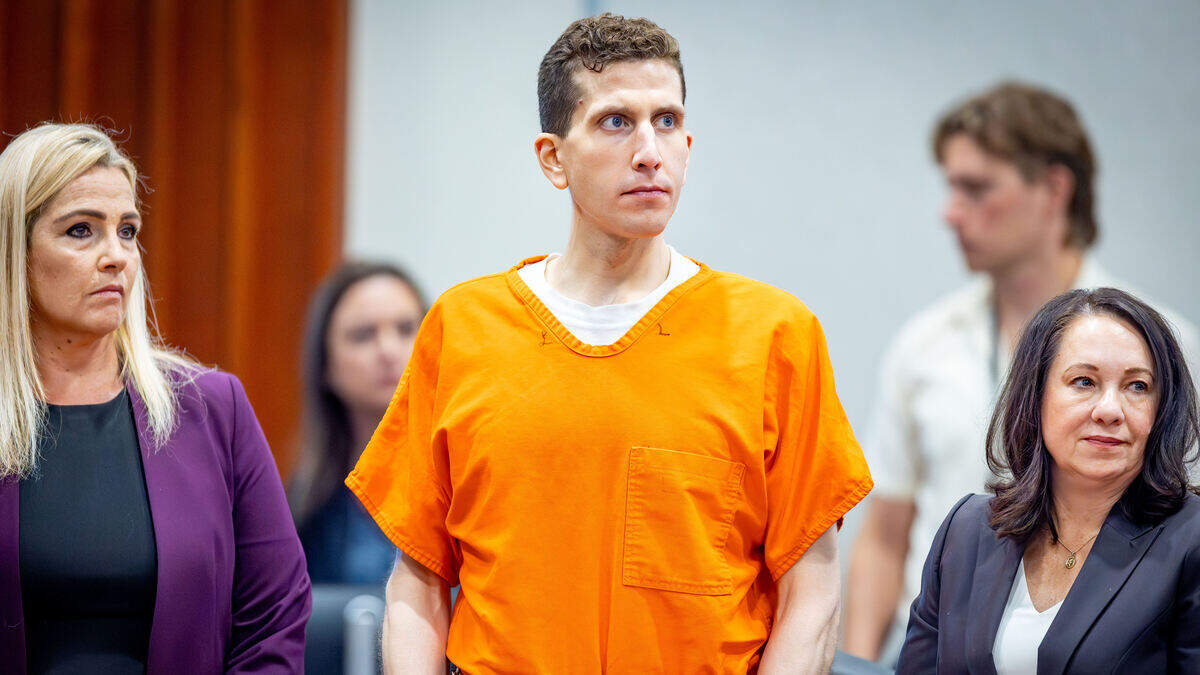
Bryan Kohberger’s legal defense has cost Idaho taxpayers nearly $5.5 million so far.
And unlike most public expenses, there’s no detailed accounting available to the public of how that money was spent. Kohberger admitted to the November 2022 killings of four University of Idaho students and obtained taxpayer-funded legal counsel as an indigent defendant.
One of the most important principles of American government is that taxpayers should know how their money is spent. That’s why the Idaho Statesman pursued legal action to attempt to unseal the court records that would shine light on the expenses incurred by Kohberger’s criminal defense team.
As Kevin Fixler reported last month in his latest effort to show how much the quadruple-murder case has cost taxpayers, we prevailed in district court. Idaho 2nd District Judge Mark Monson ruled that at least some of the sealed files should be released. But Kohberger’s lead defense attorney, Anne Taylor, appealed to the Idaho Supreme Court, where the case is at the beginning of a likely lengthy process.
This has been a public records fight unlike any we’ve experienced before — and likely, unlike any in Idaho before.
When Kevin, who has been our lead reporter on the Kohberger case, tried to access spending details for Kohberger’s defense, he was directed to Monson’s court. Monson was appointed the “resource judge” for Kohberger — a judge otherwise unaffiliated with the case who provides oversight and approval for the use of public money by the defense team. Defense attorneys made requests of Monson behind closed doors, and all records were held under seal.
So when Kevin made his records request, it wasn’t as simple as asking for the documents he sought, as we do on a daily basis from government entities around the state. He had to request that the case files be unsealed, which sparked a monthslong (and ongoing) legal process. At the first hearing in October 2025, there was uncertainty among all parties of what this process would even look like.
And our efforts to obtain the records were held under court seal for several months.
Monson scheduled oral arguments for December. The Statesman’s attorney, Kersti Kennedy, argued that the records should be available to the public because Kohberger had pleaded guilty and accepted a sentence that included no right to appeal — ending his legal case and, in our view, ending the need to protect the records.
Taylor countered, saying records like these were never meant to be public and included privileged attorney/client information.
In January, Monson ruled in our favor with two caveats — that some records were clearly exempt with “highly intimate facts or statements,” and that Taylor would have 45 days to make arguments on why additional individual records within the file should be withheld or redacted.
An Idaho court rule “expressly requires that motions seeking public funds be filed ex parte, but it contains no provision declaring such motions permanently exempt from public disclosure, nor does it automatically seal filings made under the rule,” Monson wrote in his decision, referring to the legal term for situations in which only one party is involved.
He sealed the file based on “the need to temporarily seal the records to preserve the right to a fair trial,” he wrote. “Kohberger’s guilty plea and waiver of appeal render that basis moot.”
But before the process to unseal records could conclude, Monson granted Taylor’s request to appeal to the Idaho Supreme Court. Monson, in his original ruling, noted the “novelty” of this records issue.
Now it will be up to Idaho’s five justices to determine whether all of us have a right to know how $5.5 million was spent in perhaps the highest-profile court case in Idaho history.
Chadd Cripe is the editor of the Idaho Statesman. Contact him at ccripe@idahostatesman.com.