
University of Idaho stabbing deaths take toll on Moscow police officers’ mental health
While family, friends and the Moscow community grapple with the killings of four University of Idaho students, law enforcement officers are not left unscathed.
“It’s a pretty horrific scene, and you’re talking about the lives of four young people, and you have direct involvement with that,” said Aaron Snell, communications director at Idaho State Police.
Snell said Moscow police and others assigned to the case are stressed from working long hours to uncover possible clues. They carry thoughts and gruesome images of the crime scene home with them.
“You’re seeing things that humans probably shouldn’t see,” Snell said.
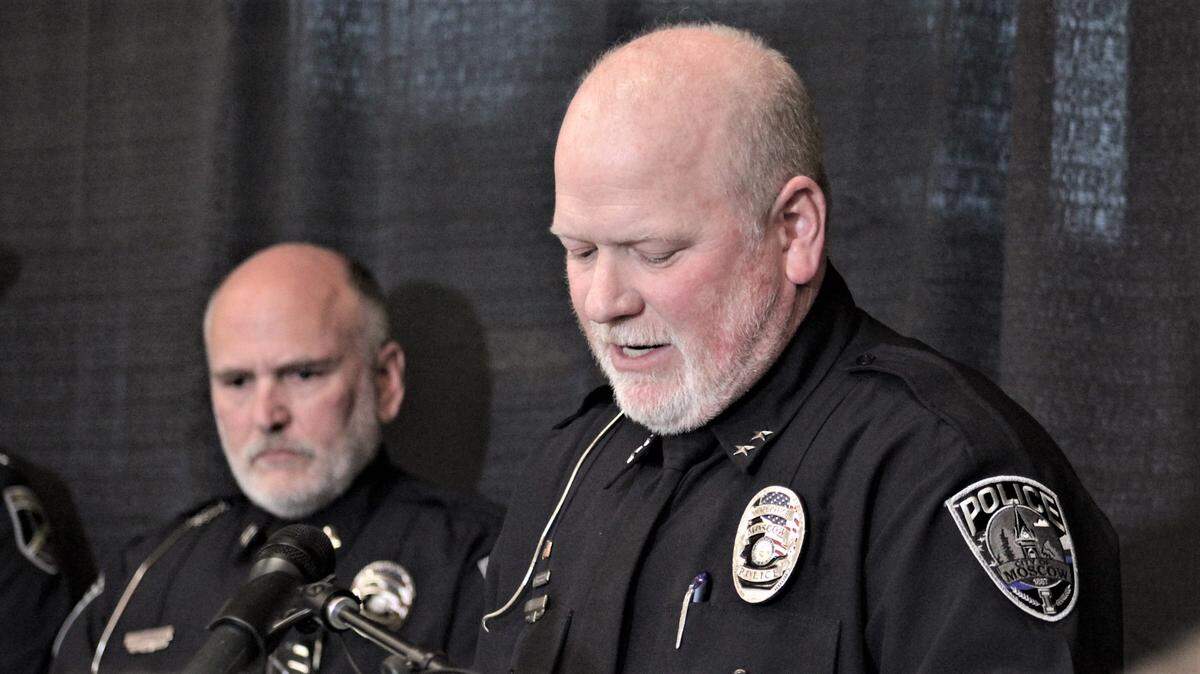
Moscow police Chief James Fry said he is more concerned than usual about the mental health of his officers and detectives working the case, which left Ethan Chapin, 20; Xana Kernodle, 20; Kaylee Goncalves, 21; and Madison Mogen, 21, dead in what Fry has called a “targeted, isolated” attack Nov. 13 at a home off campus.
Fry said officers and detectives are working 14 to 18 hours a day, which is normal at the start of a homicide investigation.
“You’re going to work long hours for a while until you get that break,” he said.
He said Moscow police gave one officer time off during that week week to reconnect and clear the officer’s head.
Fry said resources are available for his staff, including the Palouse Area Peer Support Team, which officers have used because of the toll the investigation has taken.
Moscow police Capt. Anthony Dahlinger said the team includes Moscow police; the Pullman, Washington, Police Department; and the Washington State University Police Department. Pullman, the home of Washington State University, is nine miles west of Moscow, just across the state line.
Certain employees from each department received mental health and wellness training so they can assist officers from the three agencies with any mental hurdles they encounter. The peer support team can refer officers to further treatment by a mental health professional if needed, he said.
Dahlinger said the departments received a federal grant more than a year ago to develop the program, which he said has been gaining steam across the country.
“It’s gained not only popularity, but they’re finding that it’s working,” Dahlinger said.
Dahlinger said officers are often reluctant to seek counseling or therapy and are more apt to speak to a peer about something bothering them.
He said larger agencies have the financial resources to create a team within their department, but the three Palouse departments teamed up to provide mental health services. A Moscow officer, for example, can choose to seek help from someone with mental health training in any of the three departments.
“This is a tough one as they all are, so we have our eyes on everybody, making sure that we’re giving everybody an opportunity to take care of themselves and look after each other and give them the resources that they need,” he said.
Fry said police did not talk about mental health issues when he first started with Moscow police in 1995. Now they are more aware of how the job affects them.
Fry has served as chief since 2016. He’s been a part of about a half-dozen homicide cases in his 27 years at the department. Fry said he believes the latest homicides are the most in one incident in the college town’s history.
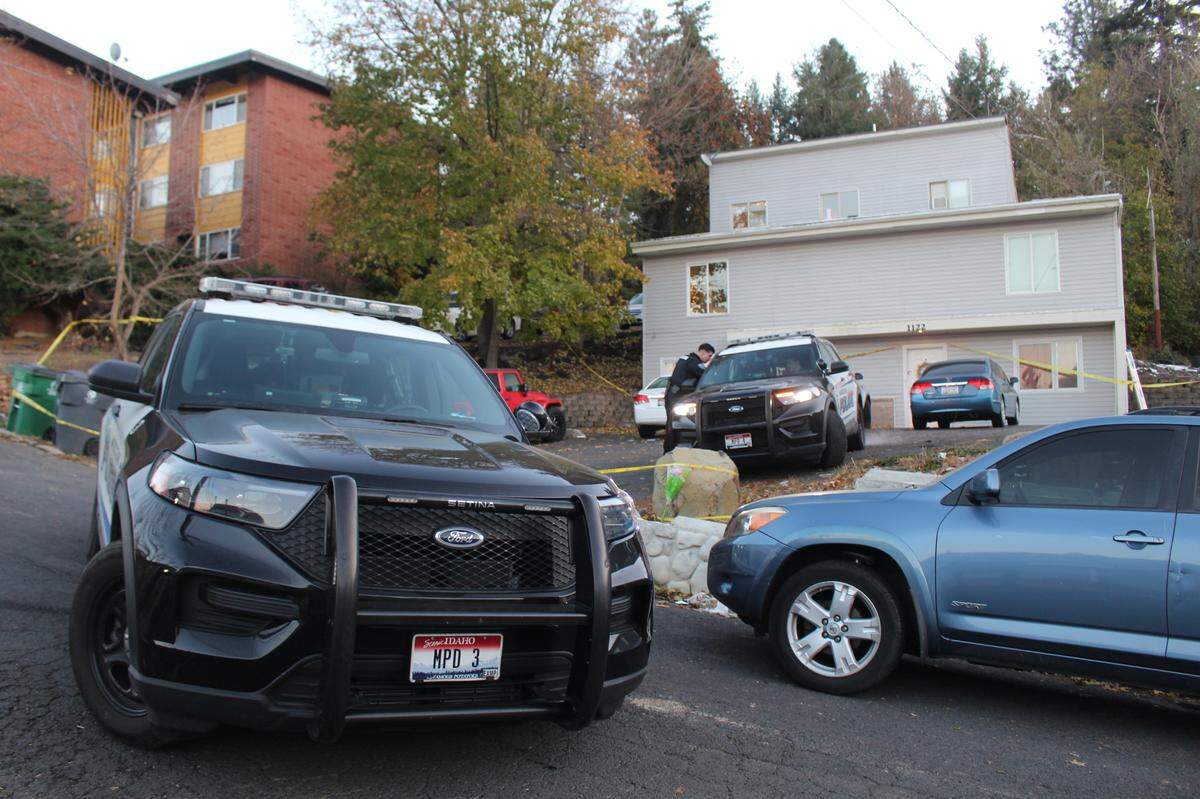
Fry said the student killings also have been the most publicized of the homicide investigations he’s worked, though “they’re all bad.”
The last Moscow murder was in 2015, when John Lee shot and killed three people and injured another. Lee was sentenced to life in prison without the possibility of parole.
“You don’t rank ‘em … They’re bad equally, because someone lost their life,” he said.
This story was originally published November 23, 2022 at 4:00 AM.