Update: What Meridian council decides about asking voters for a tax increase
AI-generated summary reviewed by our newsroom.
- Meridian City Council approved raise for mayor but rejected one for themselves.
- Officials split on whether pay hikes are a bad look ahead of public safety levy vote
- Proposed levy would retain firefighters, raise police wages, and add in-house prosecutors.
Update (Tuesday, July 29, 2025): The Meridian City Council voted unanimously on Tuesday to place a public-safety levy on the November ballot.
Below is the original story, published Sunday, July 27, 2025 under the headline, “What Meridian just did to mayor’s and council’s salaries ahead of levy vote.”
Before an empty room, Meridian City Council members approved a pay bump for Mayor Robert Simison, while rejecting one for themselves.
The decision came before the City Council is expected to vote on whether to place a public-safety levy on the November ballot that would raise property tax revenue $5 million per year. To City Council President Luke Cavener’s disappointment, no one from the public weighed in on the compensation measures at Tuesday’s public hearing.
The mayor’s salary will be raised by $3,500 in 2026 and another $3,500 in 2027, bringing it to $146,387. Starting in 2028, any cost-of-living increases approved for general employees across the city would also be received by the mayor.
That plan was approved 3-2, with one council member absent. Cavener and Council Member Doug Taylor opposed the increase.
A similar measure would have raised City Council salaries by $1,500 in 2026, another $1,500 in 2027, and made general employee cost-of-living increases available to the City Council as of 2028. It would have brought annual pay for the part-time job to over $20,000 and amount to an extra $54 per pay period, according to Brad Hoaglun, a former City Council member who serves on the committee that proposed the increases.
“And that’s before taxes,” Hoaglun said at the hearing. “You’re not going to get rich on it.”
From Hoaglun’s standpoint, an increase, which was foregone the last time it was considered in 2023, would help the city keep pace with other municipalities and ensure that in the future, qualified candidates would step up for the roles.
But the council denied the raise, with some citing a concern over optics, given the council’s upcoming levy vote, which is expected to take place during a special meeting 6 p.m. Tuesday at Meridian City Hall.
The mayor, who votes only to break a tie, did not vote on either measure.
.jpg "unnamed (4).jpg")
City Council split on raises as levy vote approaches
Simison, who proposed the levy to retain firefighters and boost police salaries, said the City Council pay is part of “current operations.” Pay and the levy, he said at the hearing, are “not competing issues”
Not all City Council Members were convinced.
“This is not in conflict with what we may or may not decide next week, but it is juxtaposed to what we may or may not decide next week,” said Council Member Brian Whitlock, who described himself as “on the fence” going into the meeting.
Whitlock told the Idaho Statesman by phone that while he agrees with the importance of attracting qualified candidates, he believes his compensation on the City Council is “adequate.” He said he would have had an easier time supporting the cost-of-living increase component without such a large bump to salary.
“For me personally, public safety came down as the higher priority, rather than a pay raise,” he said.
Whitlock voted against the City Council raise but was the sole member who switched his position when it came to the mayor.
“I think the citizens from Meridian are pleased with the job that our chief executive officer is doing on their behalf ... and I certainly felt that the mayor’s salary needed to keep pace with other municipalities in the area,” he said. “And whoever leads the city in the future, we need to attract the very best person that we possibly can.”
Simison now earns roughly $139,000 annually, compared with Boise Mayor Lauren McLean, who earns roughly $157,000 annually, according to June data from the city of Meridian. Both earn more than mayors of other Treasure Valley cities, including Nampa and Caldwell.
Several raises forgone in past, longtime official says
Cavener offered a different perspective. This was his fifth time voting on City Council salaries, and he said he “didn’t tie” his decision to vote against the latest raise to the levy.
“I could completely appreciate if a resident and taxpayer said, ‘Hey, the city’s asking me for more money, while they’re giving themselves a raise,’” he said by phone. “I think that many in our community will see a nexus there. But for my decision-making purposes, I looked at them as separate.”
After previously voting to forgo increases, Cavener supported a 2019 recommendation to raise wages by $5,000 over two years. He said his change of heart was because at the time, the compensation was in such a deficit that if forgone, he worried that “only people of means ... would ever be the ones that could be able to run.”
“We’ve got to take into account the working parent that maybe punches a clock or works shift-work, that would also want to serve in our community,” he said.
Cavener ultimately voted against the increase because of a technicality in the ordinance, but it passed, as did another in 2021. Both were intended to bring Meridian up to par with other cities, some of which held fewer city council meetings but paid their members more, he said.
He said he believes the pay today is still “very fair and ... very equitable.”
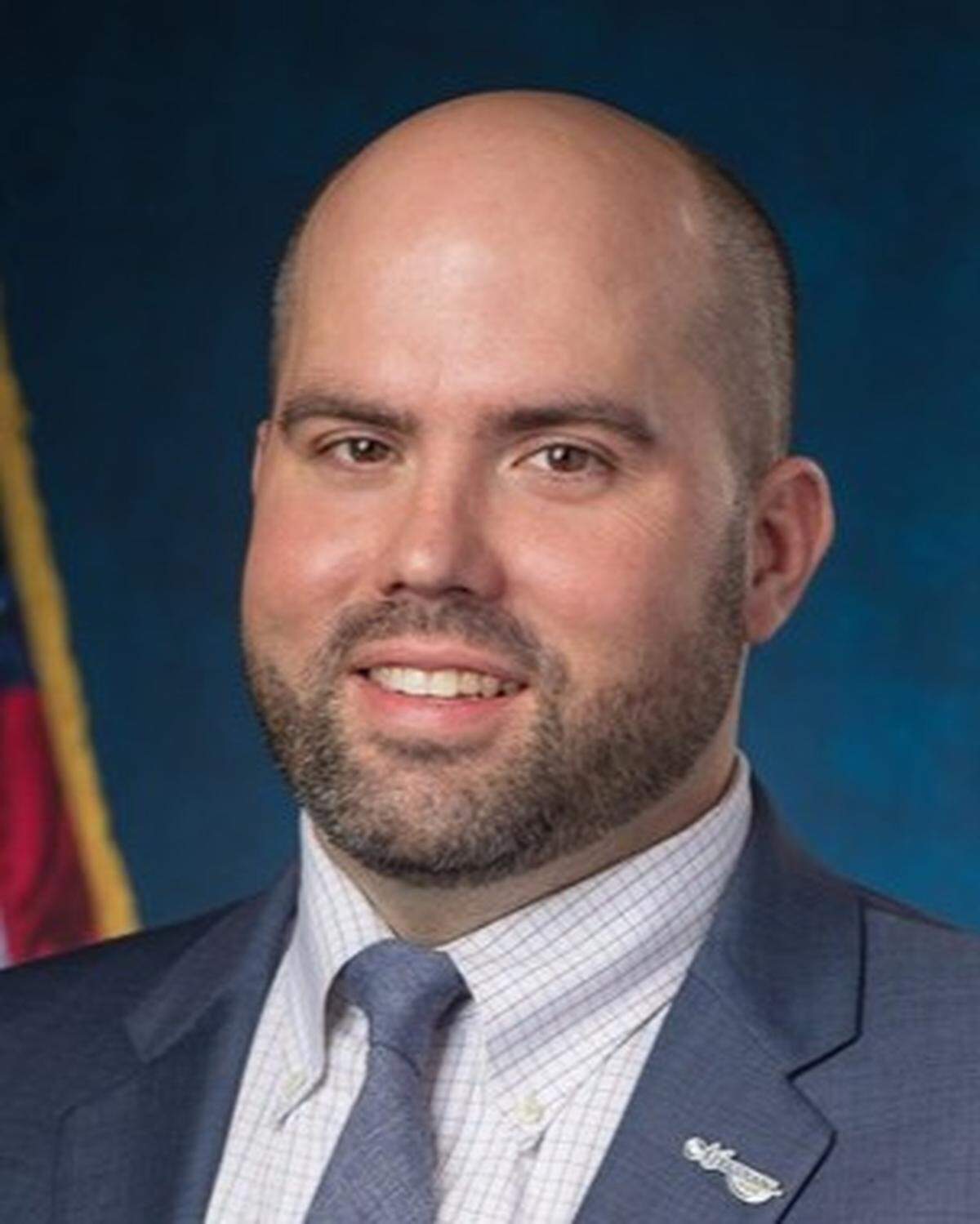
Cavener said the mayor is full-time, unlike the City Council, and requires a more competitive pay. Still, Cavener said Simison indicated being satisfied with his wage during a July 15 work session on the raises. That was enough for Cavener to vote against the mayoral increase this time as well.
Over the past 25 years, measures have been approved to raise City Council wages four times: in 2005, 2013, 2019 and 2021. Wages are now $17,335 annually for City Council members and $19,069 for the council president. They were $6,000 annually for all members in 2000.
Learn more and have your say
The public can weigh in on the public-safety levy at Tuesday’s hearing or by submitting comments ahead of time online.
If passed in November, the levy would cost taxpayers $20.11 per $100,000 of assessed property value annually. It would raise:
$2.3 million to retain 13 firefighters hired through a 2023 Department of Homeland Security grant set to expire in 2027.
$2.1 million to raise police wages by 9%.
$500,000 establish in-house prosecution services, with the goal of staffing at least five attorneys.
By state law, the levy requires a 60% majority to pass, and it would remain in place unless voters later decide to modify or get rid of it. The increase would take effect in the fiscal year starting Oct. 1, 2026.
“It’s a great question to ask the community,” Simison told the Statesman in June. “What are you willing to pay for, here in your community, for public safety?”
This story was originally published July 27, 2025 at 4:00 AM.