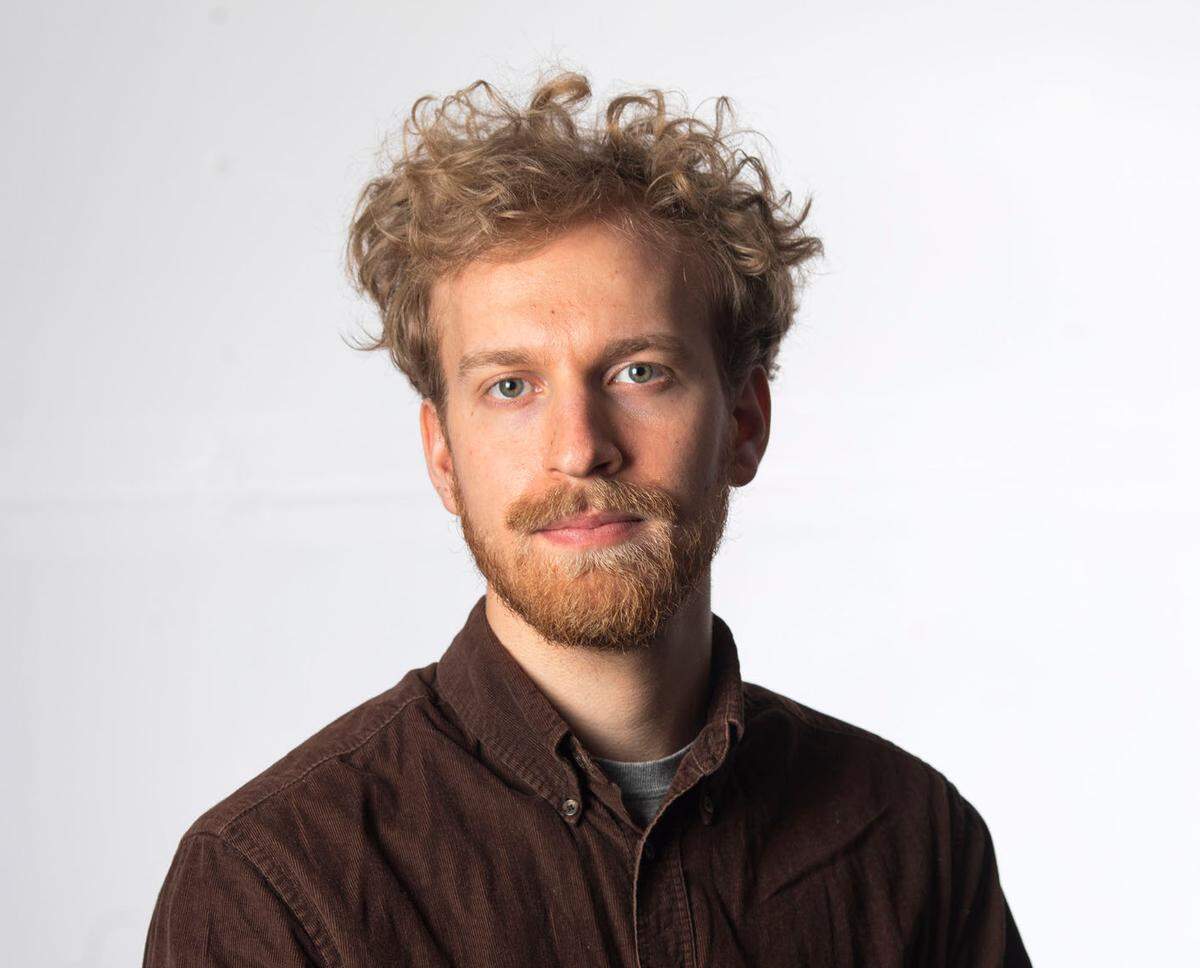
‘Overcome pretty much anything’: At 20, Caldwell man has second new kidney, fresh hope
A Ridgevue High School graduate received a pioneering second kidney donation in February — from his father, a decade after receiving a kidney from his mother.
Now the 20-year-old from Caldwell is recovering at home, with the hope of one day playing college tennis, just a year after “he had to really battle” to stay alive.
Doctors diagnosed focal segmental glomerulosclerosis, a rare disease that scars the kidneys, in Traejen Kingston as a child. After he received his first donation — from his mom at age 9 — the disease attacked the new kidney.
That indicated to Kingston’s doctors that he had a particularly aggressive form of FSGS, since most people don’t see the disease return once the infected kidney is removed, said Dr. Paul Grimm, a pediatric nephrologist at Stanford Children’s Health, in an email to the Idaho Statesman.
So in 2021, doctors at Stanford’s Lucile Packard Children’s Hospital initiated an uncommon procedure, electing to treat Kingston with chemotherapy before giving him stem cells from his father in an attempt to essentially replace his immune system. The goal of the procedure was to remove the FSGS and induce his body to accept his father’s kidney.
“We did this to give him the best chance of cure and a life free of immunosuppressive medication,” Grimm said.
Though other patients have received stem cells coupled with organ transplants, Kingston’s medical history is unusual, his doctor said.
“As far as we know, he is the first person in the world to have this very severe kind of FSGS who purposefully had a complete stem cell transplant from his living donor and then a kidney transplant from that same living donor,” said Grimm, the medical director of the pediatric kidney transplant program at Lucile Packard.
But his efforts to get a new kidney over the past year have been fraught with obstacles.
In February 2021, he received the stem cell transplant. Doctors planned to follow up with the kidney transplant five months later, but within weeks he became severely ill and could hardly walk. His parents took him to the Stanford hospital, where doctors discovered that he had developed a condition called graft-versus-host disease, which is a complication of stem cell transplants.
Traejen Kingston spent most of the subsequent year hospitalized. For several months, his parents said they thought he might die. Doctors told them there were four stages of the disease, the Kingstons said, and their son was in stage four.
“He would just lose consciousness four or five times a day,” Dane Kingston, his father, told the Statesman. “Each time they didn’t know if he was going to ever wake up again.”
He spent several weeks in intensive care, and doctors considered placing him in a medically induced coma, said Traejen’s mom, Krista Kingston. The disease caused severely painful blisters on his skin, and also attacked his liver.
She said Traejen did not have the strength to lift his head.
“It was a pretty dire situation,” Krista said. “He had to really battle.”
.jpg "File (2).jpg")
Traejen left intensive care at the end of April 2021 and was released from the hospital in mid-June, having lost a lot of weight. For the next few months, he was at the hospital around five days a week for dialysis and physical therapy, Krista said. In August, the hospital allowed him to travel home for a week to celebrate his birthday before returning to California.
He returned to Idaho again at the end of summer and faced further setbacks in the form of infections and uncontrollable itching. He spent much of his time hospitalized at St. Luke’s and had to have a chest catheter installed for dialysis, the family said.
Pandemic complications
There also were the problems posed by COVID-19.
While Traejen spent months in the Bay Area seeking treatment, he often wanted to return to Idaho. But multiple times, his parents said they hesitated to do so.
“They would not have been able to offer him the care if he needed it because of (their) being in the crisis situation,” Krista said, referring to crisis standards of care that allowed Idaho hospitals to ration health care if necessary and activate other drastic measures to save the largest number of people. These were in place statewide because of the pandemic.
While Traejen was hospitalized last September, Krista said St. Luke’s told the Kingston family that it was going to start admitting COVID-19 patients on different floors of the hospital because of skyrocketing patient numbers. Within 48 hours, Traejen was transported back to California.
When he regained enough strength for the kidney transplant to go forward, Krista said COVID caused further delays at Stanford.
“Once he got strong enough to have the transplant, they weren’t giving us a date,” she said. “And they told us a lot of this date was dependent upon the staffing they had and that their staff was severely reduced due to COVID.”
His health places Traejen at great risk if he were to contract COVID-19, and he’s unable to be vaccinated because of his preexisting conditions. Grimm said that in light of this, Traejen received an antibody treatment called Evusheld that can help prevent the disease.
‘Overcome pretty much anything’
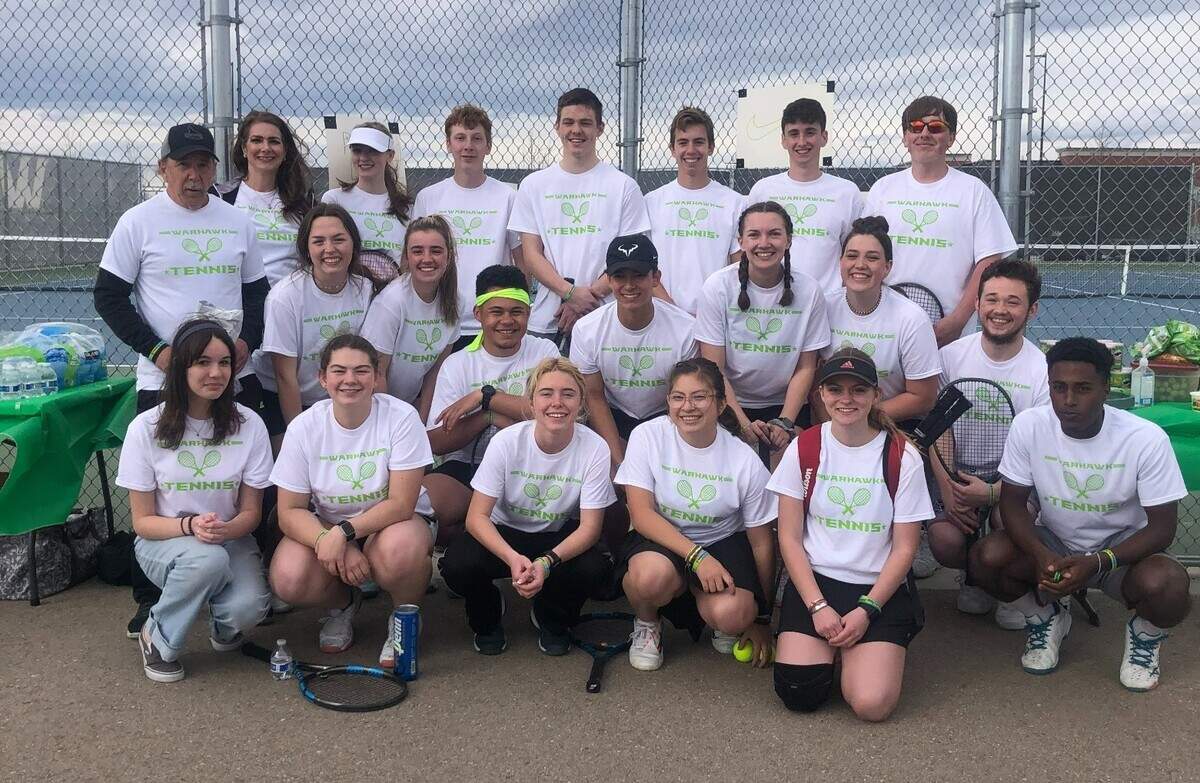
Traejen finally received the kidney transplant from his father on Feb. 7. In mid-March he returned to Idaho, where he has been volunteering as an assistant tennis coach for Ridgevue and convalescing.
On March 30, the team organized an event to raise money and awareness for kidney disease during its match with Columbia High School, which also made a donation to the National Kidney Foundation in Traejen’s name.
“I’m doing pretty well,” Traejen told the Statesman, noting that he still has fatigue and some pain in his side. He also suffers from post-traumatic stress associated with last year’s massive health struggles.
Traejen returns to Stanford twice a month for visits with physicians and said he is working on his mobility after having to relearn to walk.
Though Traejen has to take medication following his stem cell transplant, he doesn’t have to take the harsh drugs that most organ transplant recipients need, Dane said, because Dane’s kidney has been introduced into an environment that is now essentially Traejen’s immune system.
Compared to a year ago, Traejen’s condition is “night and day,” Dane Kingston said. “At this time last year, we were celebrating” when he could roll over in bed by himself, he said.
Traejen suffers from seizures once or twice a week, which his doctors said are likely linked to the severity of his condition last year, Dane said. The doctors hope that as his body continues to recover and heal, the seizures will recede, Traejen said.
Grimm, Traejen’s doctor, said the 20-year-old is making “great progress.” In instances where FSGS comes back to a patient, that usually happens within a few weeks, or once patients are weaned off of high doses of immunosuppressive drugs. But Traejen has not been receiving high doses of such drugs, Grimm said, and is “nearly off” all medicines that could have a similar effect.
“At this point, two months following the transplant, if the disease was going to come back, it should have come back long ago,” Grimm said in an email to the Statesman in early April. “The indicators suggest it’s cured and will not come back. (Traejen’s) rehabilitation is not yet complete because he has many complications of years on dialysis, but he is making great progress. He has even been back on the tennis court.”
There also is no evidence that Traejen has acute or chronic graft-versus-host disease, Grimm said.
Dane said Traejen’s boundary-breaking medical treatments have been aimed at leading his family in a new direction.
“The whole goal was to get this working kidney for him so we could go to a normal life,” he said.
Traejen no longer has to undergo dialysis, which previously had to be done five days a week.
“Throughout his life we’ve had to adjust negatively to a new normal … as things kept getting worse,” Dane said. “We’re looking forward to reversing that trend and we’re getting to a new positive normal.”
Earlier this month, Traejen visited a college in Oregon. His mother said he hopes to spend the rest of the year getting his strength and tennis skills back, with the hopes of still being able to play college tennis someday.
“I can definitely fight through and overcome pretty much anything,” Traejen said.