Planet parade, meteors and strawberry moon to light up Boise sky. Here’s when
Boise nights are getting shorter in June, but they’re still filled with dazzling celestial sights.
A planet parade, meteor showers and a full moon will all light up the sky.
Idaho residents will also experience the longest day of the year, when the summer solstice officially ushers in the start of a new season.
Here’s when to look up:
When’s the best time to see full moon in June?
With the new moon falling on Sunday, June 14, the full moon will illuminate Boise’s night sky on Monday, June 29.
The celestial orb will reach peak illumination at 5:56 p.m., although you can enjoy the lunar display during the day, according to world clock website Time and Date.
June’s full moon will may look smaller and dimmer than normal.
That’s because it’s a micromoon, which occurs when the lunar body is at its farthest possible distance from Earth.
Why is June’s full moon called the strawberry moon?
June’s full moon is known as the strawberry moon, according to the Old Farmer’s Almanac.
The origin of the name “has nothing to do with the moon’s hue or appearance,” the almanac said.
Instead, it refers to wild strawberries, which are typically harvested during this time of year.
Alternative names such as blooming moon, green corn moon and birth moon “highlight that this is a time of new life,” the Old Farmer’s Almanac said.
Will planets be visible in the night sky?
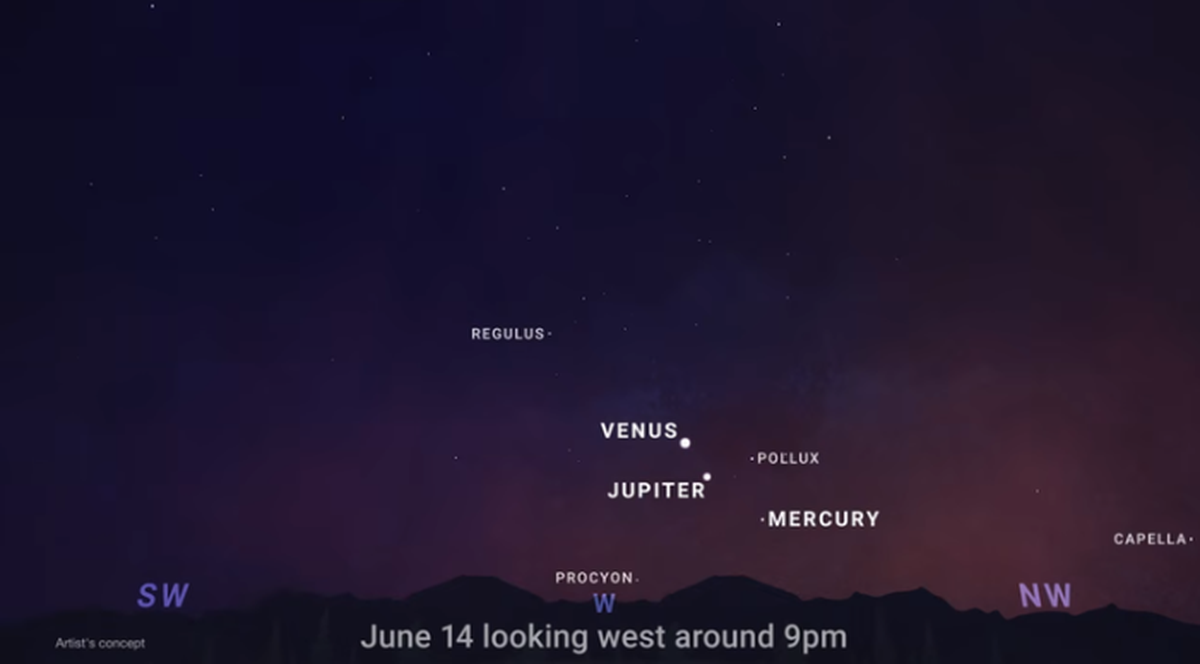
Idaho sky matchers can spot a miniature planet parade will find alignment in the stars, beginning with Venus and Jupiter on Tuesday, June 9.
Mercury will join the heavenly lineup on Thursday, June 11,and all three planets will “appear close together after sunset,” until Monday, June 15, NASA said.
Although not as large as the six-planet parade that occurred in March, this planetary alignment will still be a special sight.
Venus and Jupiter will be conjunct, meaning they will appear close together even though there is a vast distance between the two.
When does summer officially begin?
In the Northern Hemisphere, the summer solstice takes place annually on June 20, 21 or 22, depending on the year, the Old Farmer’s Almanac said.
In 2026, the official first day of summer falls on Sunday, June 21 — Father’s Day.
“In the Northern Hemisphere, the June solstice occurs when the sun travels along its northernmost path in the sky,” The Old Farmer’s Almanac said, launching the summer season.
“Around the solstice, the Northern Hemisphere gets its longest days and shortest nights of the year,” NASA said, although the earliest sunrises and latest sunsets don’t always fall on the date of the solstice.
What is the Summer Triangle of stars?
“Once the sky gets dark, summer brings some favorite targets for telescope users and astrophotographers,” NASA said.
A special star formation will be present in the summer sky, according to astronomy app EarthSky.
Three stars — Deneb, Vega and Altair — will form a triangle, known as the Summer Triangle asterism.
These stars are from different constellations but from a “noticeable pattern of stars” in the eastern night sky, EarthSky said.
“Inside and around this region are deep sky objects like the Dumbbell Nebula, the Ring Nebula, the North America Nebula and the Veil Nebula,” NASA said.
Deep sky phenomena require telescopes for decent viewing.
When can I watch Arietid meteor shower? Bootids?
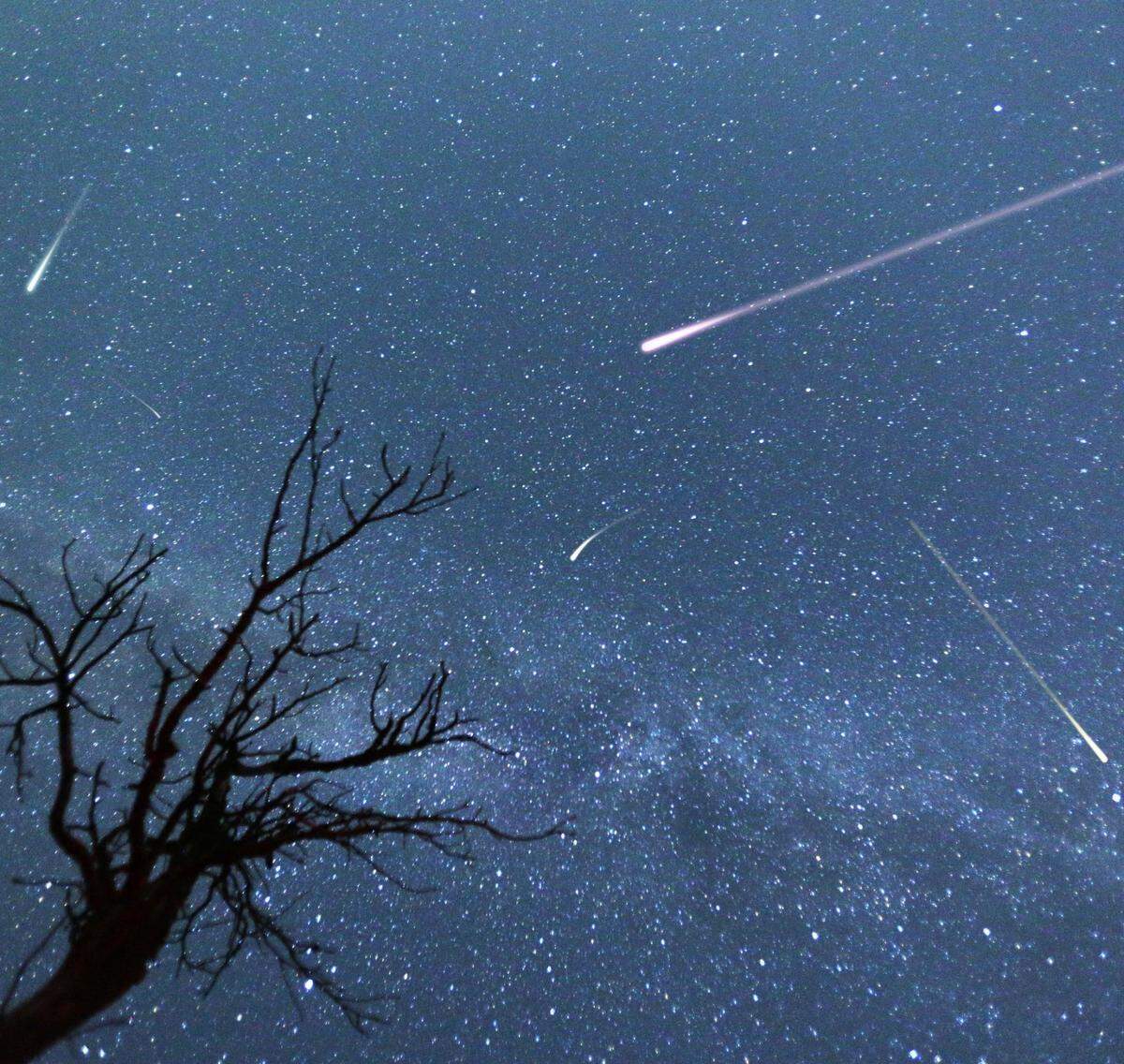
June will host two meteor showers, though both will be a challenge to view.
The Arietid meteor shower is expected to peak on Sunday, June 7, after daybreak, according to Starwalk, an online astronomical event tracker.
These daytime shooting stars are one of the most active showers while the sun is out, astronomy blog Earthsky.
For your best chance to see them, wake up extra early and take a look outside before the sunrise.
According to Time and Date, the sun is expected to rise at 6:05 a.m. in Boise on Sunday.
The second meteor shower in June is the Bootid shower, peaking on Monday, June 22.
The Bootids are extremely unpredictable with a variable amount of shooting stars, according to Starwalk.
What are best places to watch shooting stars?
To get the best views of June’s meteor showers, you should “find an area well away from city lights or street lights,” NASA said.
“Lie flat on your back with your feet facing east and look up, taking in as much of the sky as possible,” the space agency said.
Your eyes should adjust to the dark after about 30 minutes, and you’ll begin to see meteors.
“Be patient,” NASA said. “The show will last until dawn, so you have plenty of time to catch a glimpse.”