
Student housing is coming down. Boise thinks its rebuild will keep families off the streets
AI-generated summary reviewed by our newsroom.
- Commissions OK first phase of 48-unit Sherwood for low-income families.
- Northwest Real Estate Capitol to build, own and manage; clinic and daycare planned.
- Project will total 90 units; phase two starts in 2028 after 2027 phase-one completion.
A Boise-backed plan to house some of the city’s neediest residents has taken two leaps forward, clearing the way for a multi-million dollar apartment plan for families teetering on homelessness to pursue construction near Boise State University.
Boise’s Planning and Zoning and Design Review commissions separately signed off on approvals for the first phase of The Sherwood, a city-driven initiative aimed at helping low-income residents with few other options in Idaho’s capital.
The 48-unit first phase would offer not just homes but also rental assistance and support services like health and child care for residents on the corner of Sherwood and Morrison streets in the Lusk District, between the Greenbelt and Anne Morrison Park. A second phase, which would add 42 more apartments to the block, has received Planning and Zoning approval but must still undergo design review, city spokesperson Maria Ortega told the Idaho Statesman in an email.
Once finalized, the 90-unit complex at 860 W. Sherwood Road would join Valor Pointe and the expanding New Path apartments in Boise’s portfolio of permanent supportive housing for locals struggling with chronic homelessness.
Like those projects, The Sherwood will work Our Path Home, a consortium of organizations combatting homelessness, identify and aid future residents. CATCH Idaho, a homelessness relief group, will provide “on-site, voluntary supportive services focused on housing stability, connection to community resources, and long-term self-sufficiency,” Executive Director Stephanie Day said in a letter supporting the application.
“As a permanent supportive housing community, The Sherwood will not simply provide apartments — it will provide stability,” Day said. “Families exiting homelessness often face barriers related to income instability, trauma, childcare, health, and employment. … Our approach is rooted in evidence-based practices and strong coordination with community partners, ensuring residents have the support necessary to remain successfully housed.”
In Idaho, partnerships are key to low-income housing
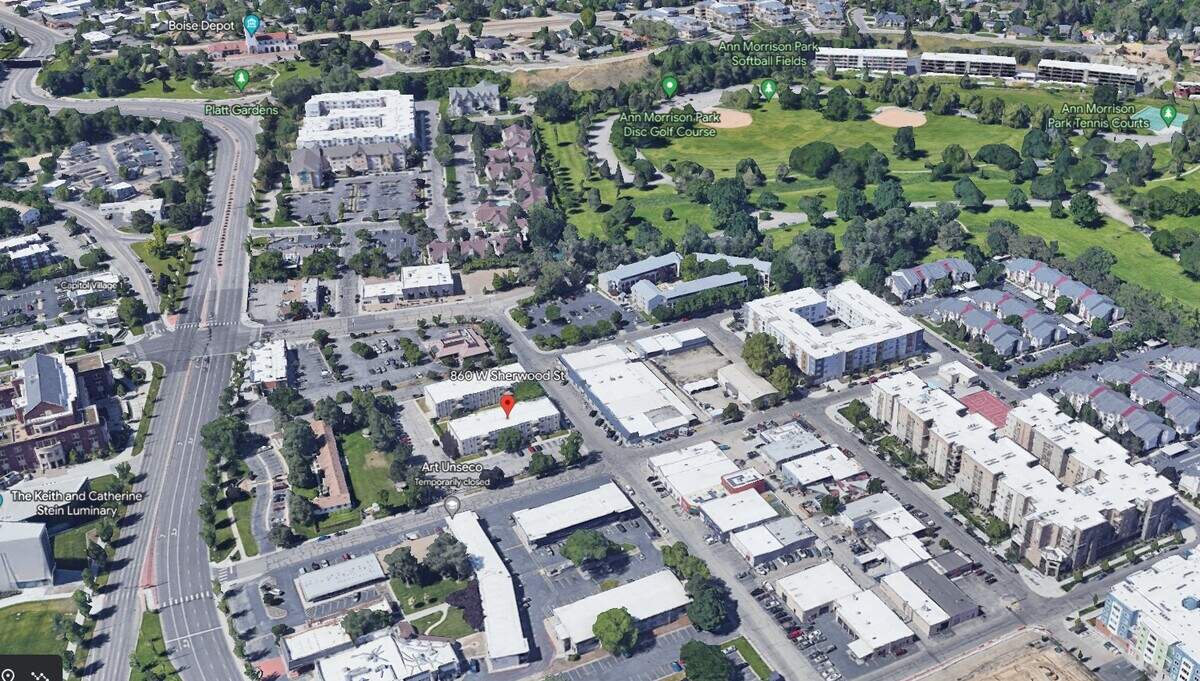
To build The Sherwood, Boise is partnering with the Northwest Real Estate Capitol Corp., a Boise nonprofit developer specializing in affordable housing, which will construct, manage and own the property. They’re the same people who built Valor Point, which serves homeless veterans. The Sherwood will be Northwest’s 42nd affordable project since 2015, according to Vice President of Development John Vance.
Northwest is working with the low-cost provider Terry Reilly Health Services to put a clinic on the first floor of the building, Vance told P&Z on Monday. The design also envisions a day care in the building.
Vance expects to break ground on Phase 1 this summer. Construction should wrap in late 2027, according to the city of Boise. After that, Phase 2, the second building, would start in 2028.
On Monday, P&Z Commissioner Tony Torres highlighted the city’s “great need” for low-income housing, something officials have found challenging to incentivize without public support.
“Every little bit moves the needle,” Torres said.
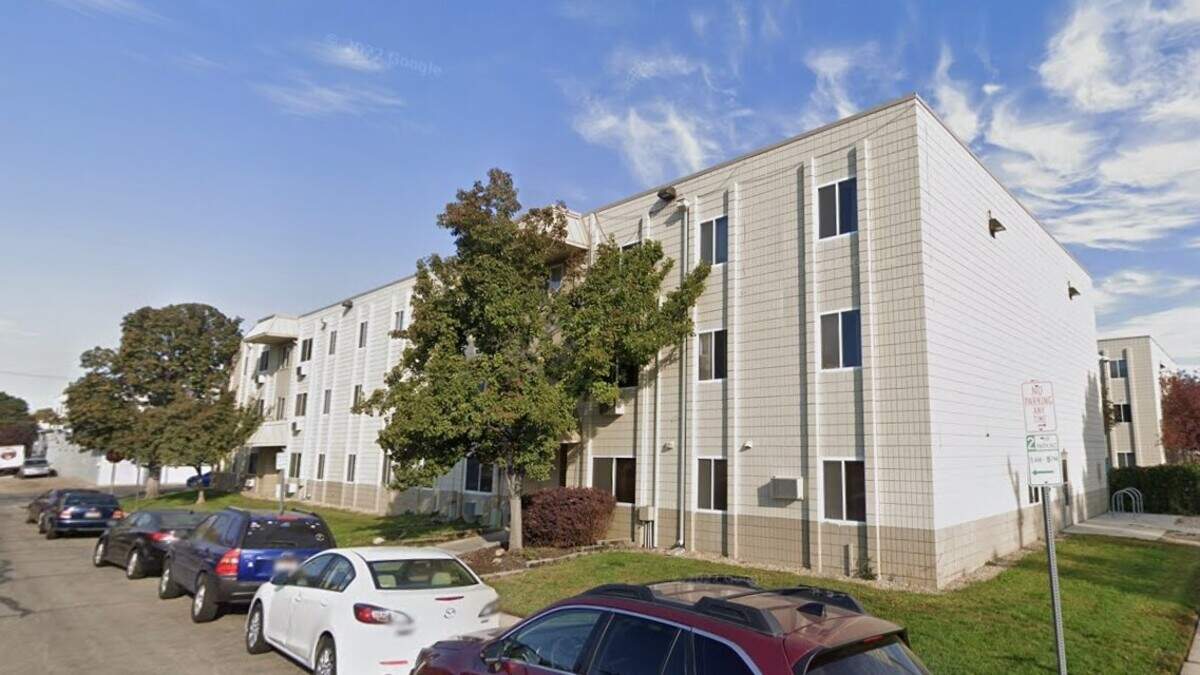
The Sherwood will take the place of the University Park Apartments, a block of student housing dating to the 1940s. The buildings had become a problem property for Boise State University, according to previous Statesman reporting, with students bemoaning floods, discolored water, mold and asbestos in apartments.
Boise bought the 1.3 acre property from the State Board of Education for $8.1 million in 2023, though students continued to live there for another year. While the original plan was to simply renovate the existing structures, the city and its partners ultimately decided to redevelop the full site, opening up room to nearly double the apartment stock through a second building.
Beyond the land, Boise also applied for financial aid from the Idaho Housing and Finance Association, a quasi-governmental agency that administers several federal affordable-housing programs in the state. Ortega estimates around $8.5 million in Housing and Finance funding will go toward the project, too.
In exchange, the city will get apartments earmarked for residents earning between 30% and 60% of Boise’s area median income. Per city data, that translates to earnings between $22,500 and $44,940 for an individual or between $32,100 and $64,200 for a family of four. Rents for an individual could be capped as low as $563 per month.
“Boise continues to experience significant pressure on its affordable housing supply, particularly for families exiting homelessness,” CATCH Executive Director Stephanie Day said in a letter supporting the project. “ Developments like The Sherwood are essential infrastructure in our community’s response. Without projects of this scale and quality, families remain in shelters longer, experience repeated housing instability, or are forced to live in vehicles or on the streets.”
Housing puts Boise’s Lusk District in the limelight
The Sherwood is one corner of the Lusk District’s rapid redevelopment. Once an industrial island adjacent to Boise State, the neighborhood is becoming a hotspot for the city’s affordable housing plan.
Nearby, the city is partnering with Utah developer J. Fischer Cos. to build its largest income-capped project to date, the 360-unit Capitol Campus. If all goes to plan, that $140 million mixed-use development would break ground in October, Jake Wood, managing director for affordable housing at J. Fischer, told the Statesman in February. Construction would likely take three years, according to documents filed with the Capitol City Development Corp, Boise’s urban renewal agency.
The Capitol Campus apartments would open to residents in October 2029.
This story was originally published March 13, 2026 at 4:00 AM.