A modern Ada County Coroner’s Office was ‘built for growth.’ Have an inside look
Believe it or not, there are some misconceptions about what goes on inside a coroner’s office, Ada County Chief Deputy Coroner Brett Harding told the Idaho Statesman recently.
“I think people generally see the coroner’s office as a sort of halfway house for when someone dies in an accident, and we store the body until the funeral home can pick them up for final arrangements,” Harding said.
What people fail to realize, Harding said, is that the office is an investigative body that plays a role in uncovering the cause of unnatural deaths and also protecting the public.
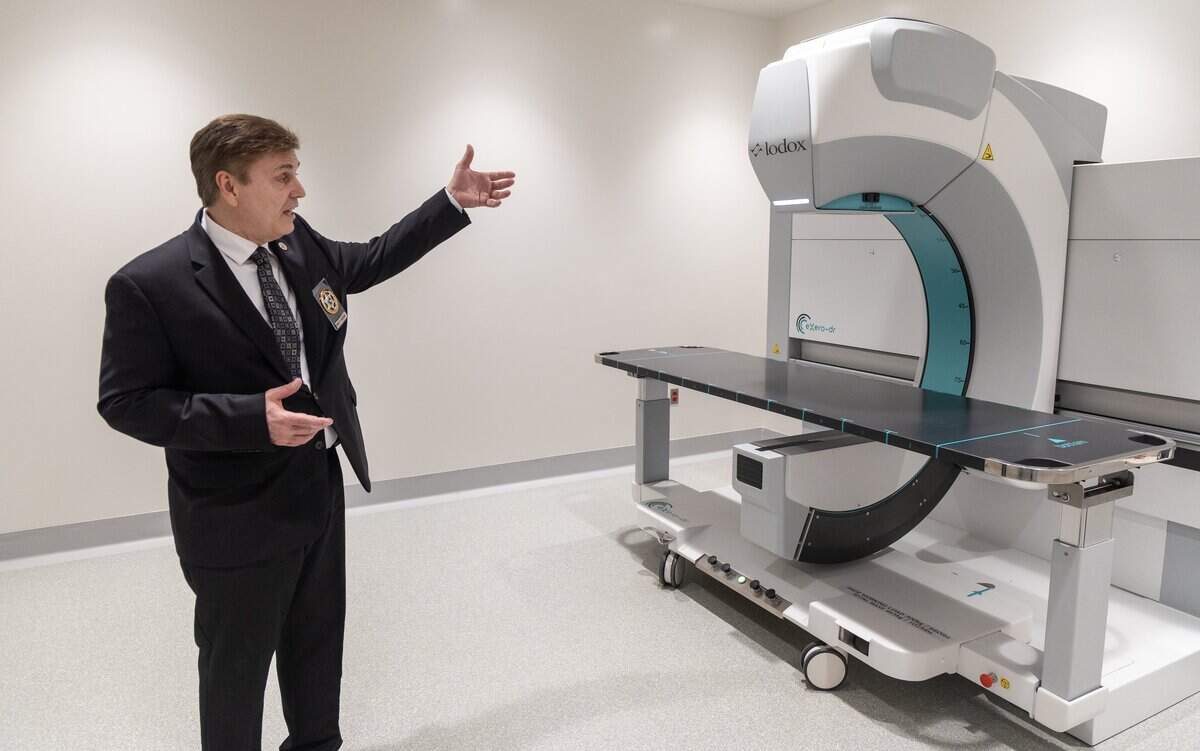
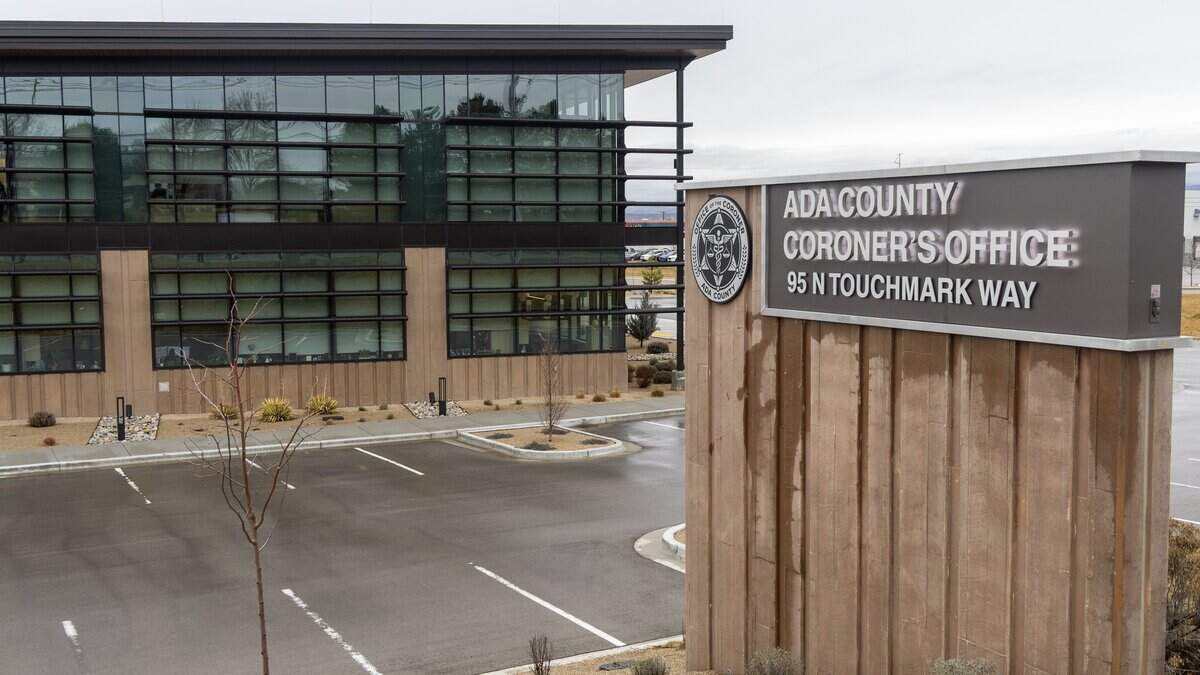
Harding guided the Idaho Statesman on a tour of the Ada County Coroner’s Office facility in Meridian and answered questions about the workings of the office, which has gone through some major changes to keep up with the growing needs of an expanding Treasure Valley.
The new office itself opened in August 2024, replacing an old building on Morris Hill Road that the county had drastically outgrown years ago.
Here’s a look inside the workings of the coroner’s office and its state-of-the-art facility:
Investigating a fatality
The coroner’s office is called anytime there is an unnatural death, meaning unexpected, unexplained or unnatural causes. The latest data from the office show it investigated more than 800 cases in 2024, of the over 4,600 deaths reported in the county.
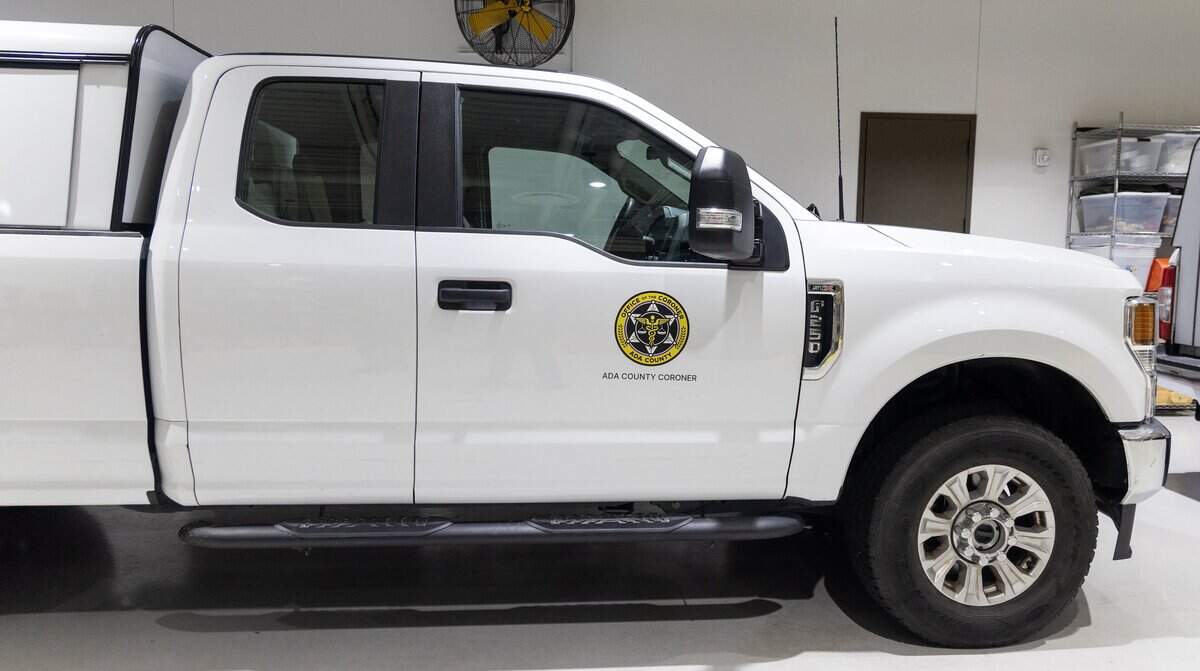
The investigation typically starts in the field, Harding said. The office’s investigators will go to the scene of a death or a hospital, and begin observing and photographing the area and the body.
“We like to say our coroner investigators are the eyes and ears in the field,” Harding said. “They will examine the body, head to toe, looking for trauma or indications of disease.”
Then the body is taken to the facility and kept in a cold-temperature room until it’s time for an autopsy. Not all death cases require a full autopsy, Harding said, because some deaths’ causes can be determined simply based on an investigation.
Cause vs. manner of death
The forensics, pathology and investigating teams work to determine three important pieces of information, Harding said: the identity of an individual, of course, and the cause and manner of death.
Harding said the office relies on the kind of scientific identification most people would expect: DNA, fingerprints, dental records, and even the shape of sinuses in the skull. The office also can identify an individual through confirmation by a family member.
Determining the cause and manner of death requires answering the questions of how and why the person died. Causes of death are almost infinite, Harding noted — gunshot wounds, heart attack, illness, blunt force trauma.
The manner of death is more philosophical, and there are five that can be listed, according to Harding: homicide, suicide, accident, natural and undetermined.
“The National Association of Medical Examiners puts out guidelines to determine manner of death, and it is absolutely up to the physician or coroner to determine,” he said. “It’s not as obvious as you would think.”
Coroners try to stay away from undetermined as best they can, Harding said, and the manner can change as new evidence becomes available.
The coroner’s role in public health
An important role of the coroner’s office is monitoring and educating the public on health risks causing death, Harding said.
“Communicable diseases, carbon monoxide leaks, electrical hazards, all of those things are investigated by us, along with law enforcement. They can affect the people that are associated with the decedent or the family of the decedent,” Harding said.
Harding said that with communicable diseases, the office will work with the public health department to notify and prevent others from also falling ill or dying, and essentially “stop a small epidemic.”
New technology, more space and better retention
The coroner’s office moved into its new building in Meridian as a necessary upgrade in Ada County. The office and staff were confined to a small building that simply didn’t have the resources or storage to keep up with Ada County deaths, Harding said.
As Ada County’s population grew, the old coroner’s building at 5550 Morris Hill Road in Boise felt the pressure. That building was constructed in 1966 as a warehouse, and the coroner occupied about 13,425 square feet of it.
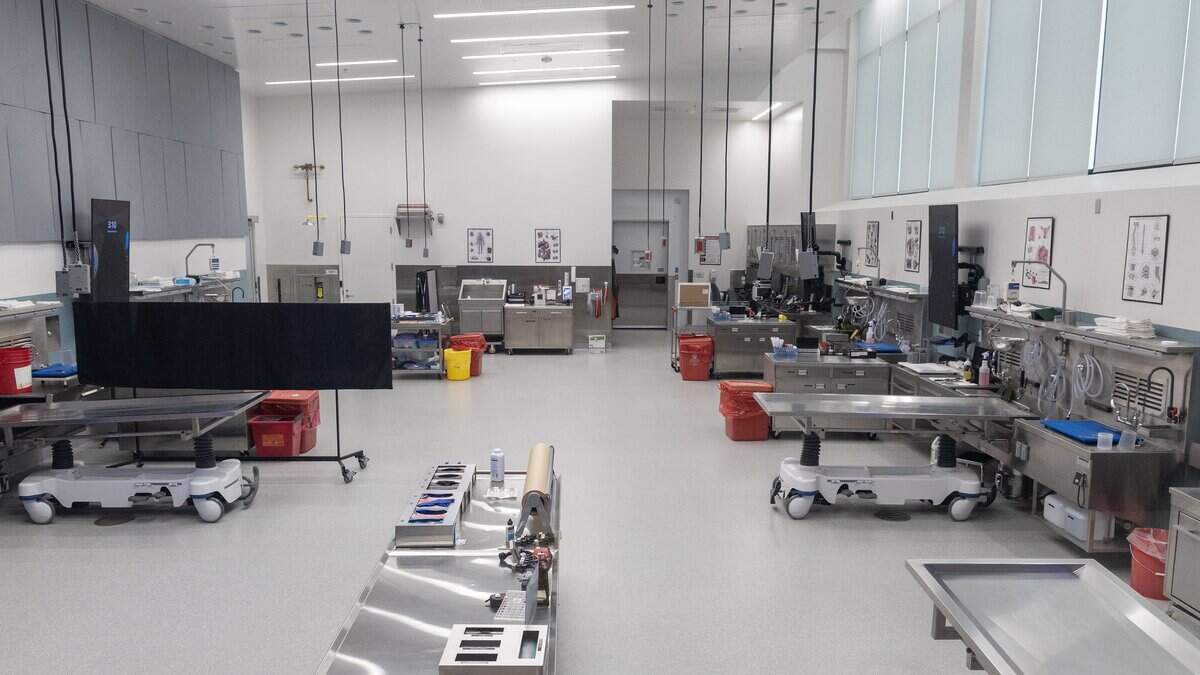
The new 35,000-square-foot building is equipped with state-of-the-art technology, space to expand and resources for employees, which Harding said has contributed greatly to staff retention and managing increased numbers of investigations and autopsies.
“I have inspected facilities all across the United States, and this is absolutely the best one I’ve ever been in, but it is not opulent, it is not over the top, it is a working facility,” Harding said. “It was built for growth, so citizens don’t have to worry about expanding it for 50 years.”
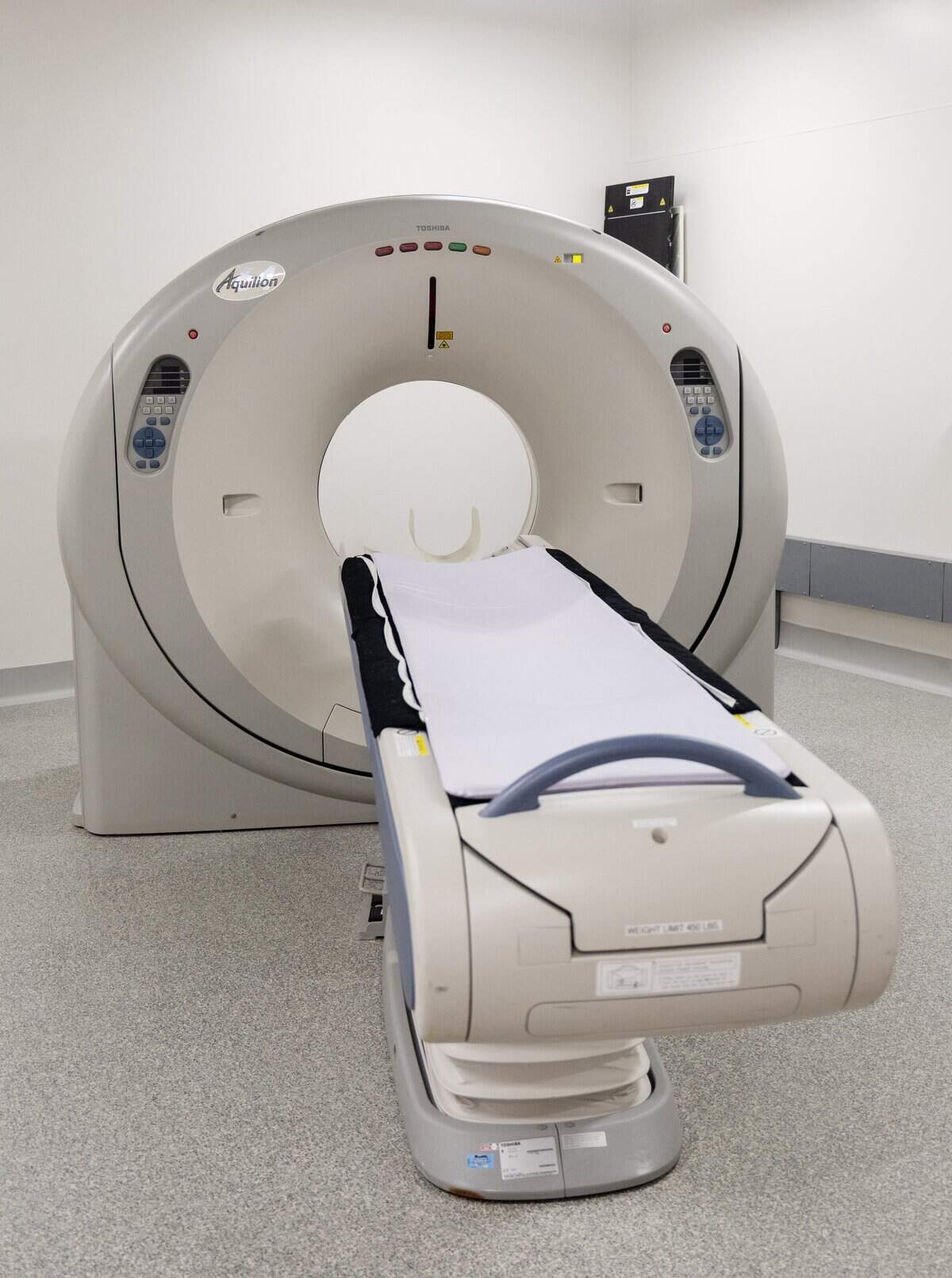
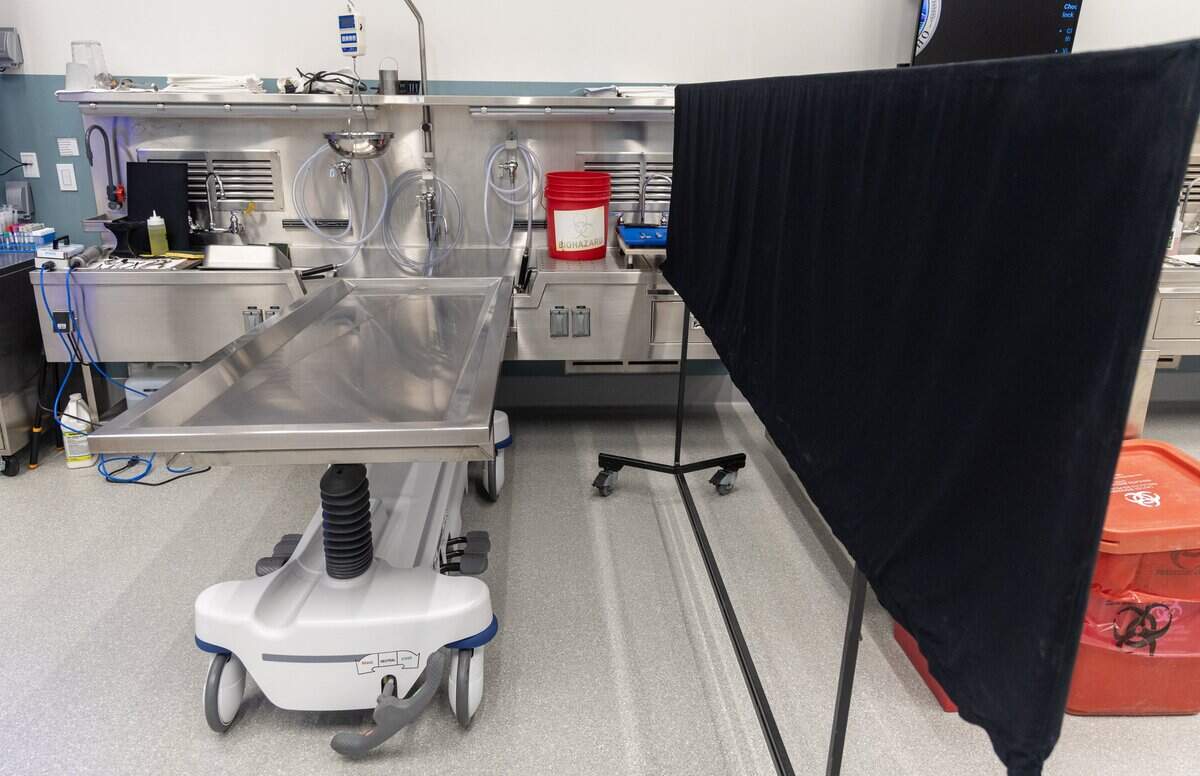
The facility has two autopsy rooms, a larger one with space for six autopsies and a smaller one for cases requiring isolation. A recently added CT scanner was donated by St. Luke’s Medical Center. Harding said it can be used for cases that don’t require a full autopsy or for families who would rather not have as invasive of a procedure done on their loved one.
Preparing for the worst
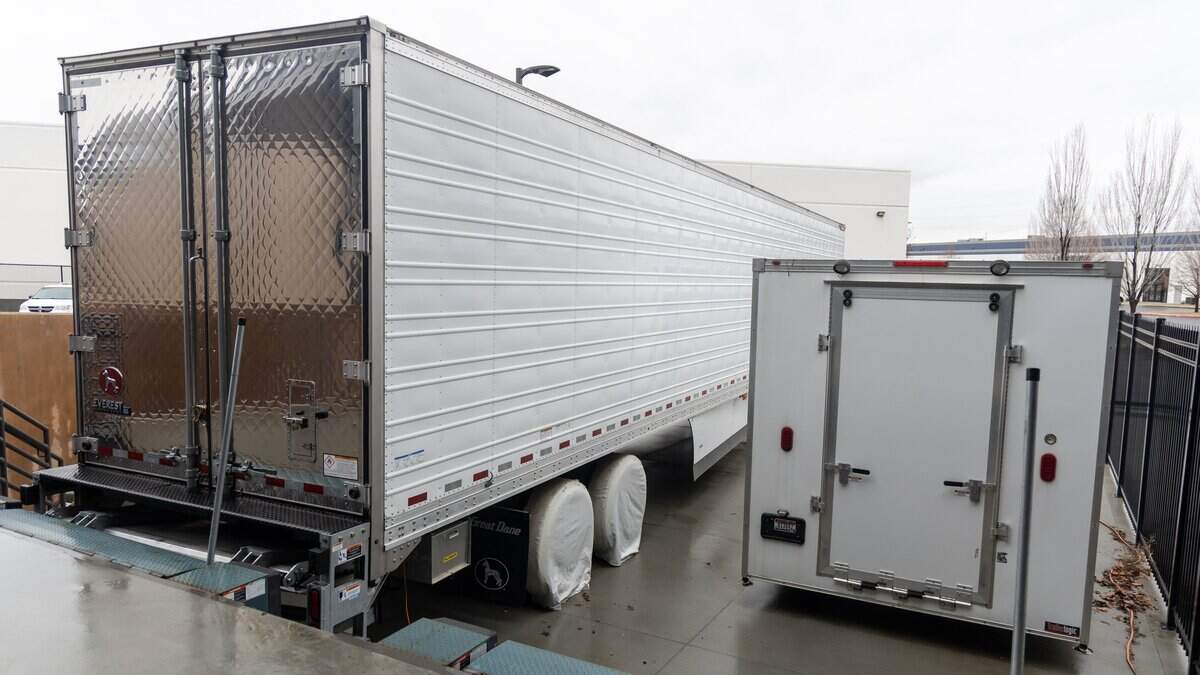
Outside the building sits two truck trailers, one that Harding said could hold 25 bodies and another that could hold 70. Harding said Ada County is prepared for one or the other to be used to help another district, and said it probably is a case of “when” and not “if.”
During the COVID-19 pandemic, one trailer was used as a “mobile morgue” to store bodies, because the old facility was over capacity, and some bodies had to be quarantined.