This insect is teaching Timberline High students about Boise ecosystems. Here’s how
AI-generated summary reviewed by our newsroom.
- Students and researchers collected dragonfly samples in southeast Boise.
- Dragonfly diversity at one pond signaled a healthy ecosystem for insects.
- Researchers said water quality and food resources are entangled with dragonfly health.
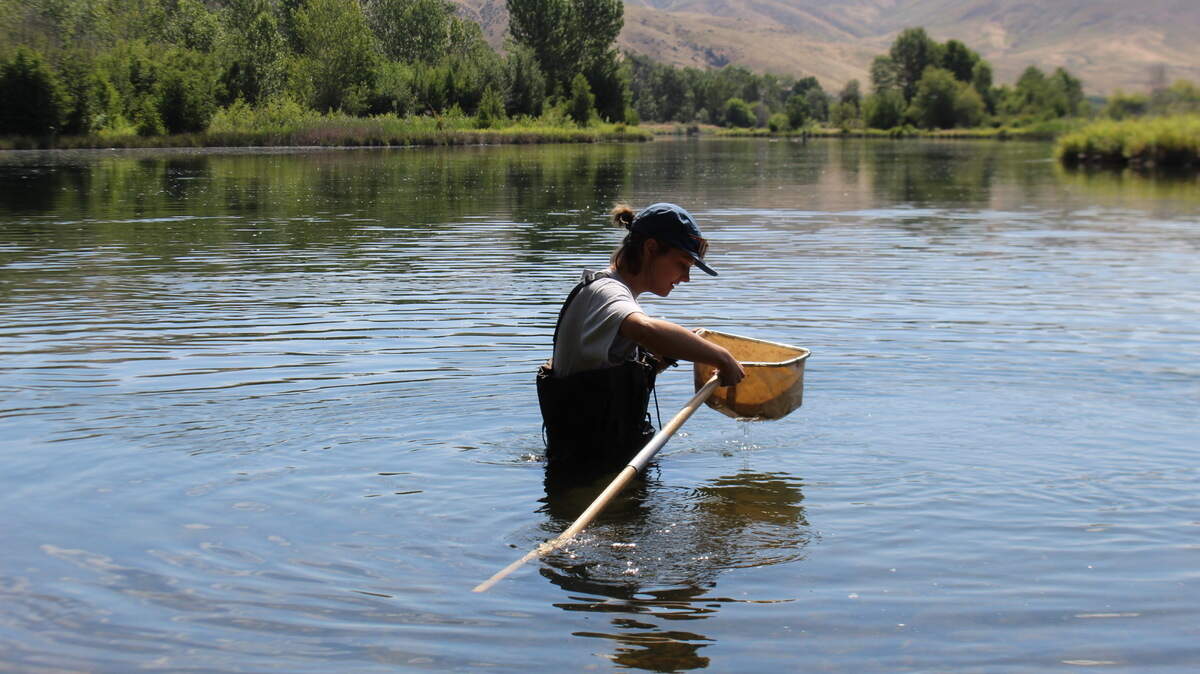
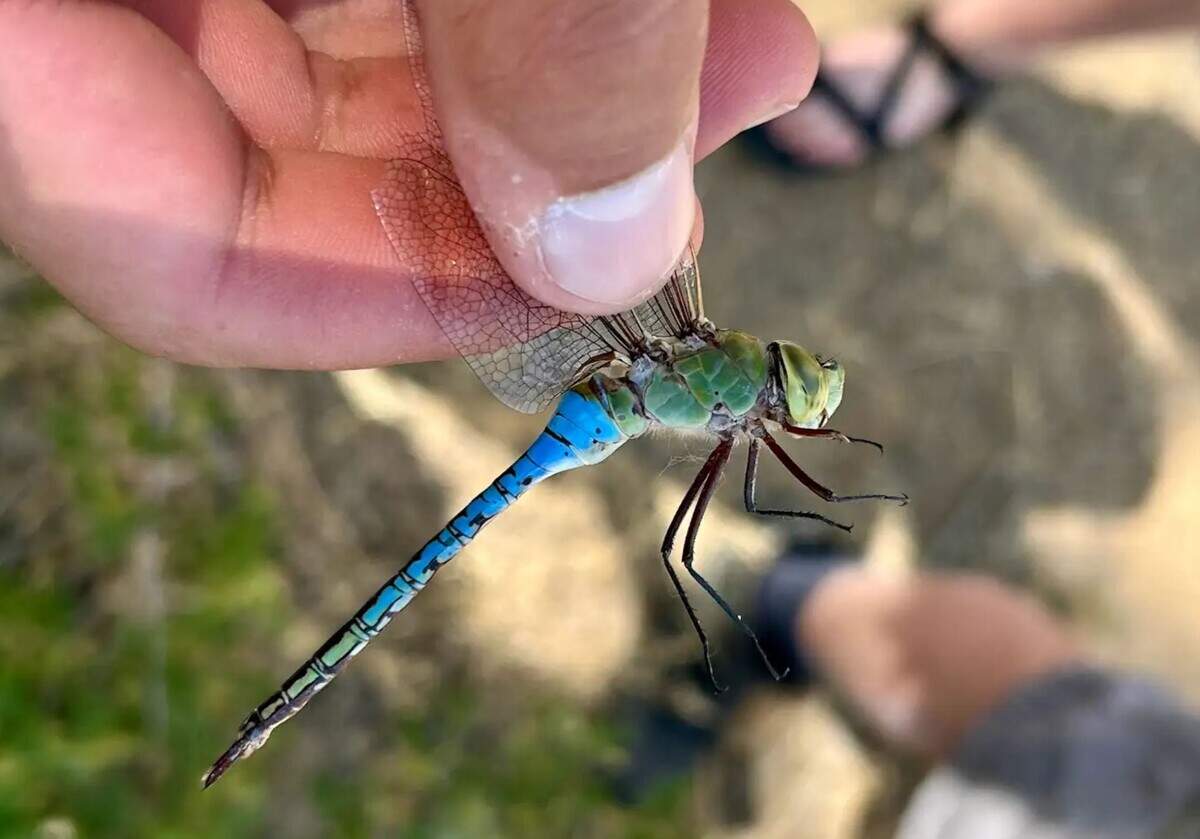
On a pond shore at a wildlife refuge in southeast Boise, beside the Idaho Shakespeare Festival grounds, recent Timberline High School graduate Ben Gallafent snagged the catch of the day. Researchers gathered around Gallafent as he reached carefully into his net and gently pulled out the dragonfly — yes, dragonfly — by its wings.
The dragonfly was a common green darner, likely one of the only insects to cross the rocky mountains while migrating, researchers who specialize in the insect told the Idaho Statesman. Thanks to Gallafent’s catch, researchers will inspect the dragonfly’s genes to test that theory– and learn a lot about Boise’s environment in the process.
The pond sampling at Barber Pool Conservation Area was part of a weeklong dragonfly workshop that involved high schoolers and college students to study Boise’s dragonfly ecosystems and publish research. The environmental nonprofit LifeOutdoors, founded by former Timberline teacher Dick Jordan, organized the workshop, which is in its third year.
“We can do all the research in the world, and if you’re not getting kids connected to nature … then we’ve already lost the game,” Jordan said.
Instructor Ethan Tolman, Jordan’s former student and a current Virginia Tech postdoctoral researcher, used the field work data from a previous workshop to lead a larger study about blue dasher dragonflies. Researchers looked at genetic and physical clues to see how blue dasher traits compared in Tennessee, New Jersey and Idaho.
“We found that there was a difference between the dragonflies in the Northwest versus the ones on the East Coast,” Maleah Wei, recent Timberline graduate and one of several co-authors on Tolman’s upcoming research paper, told the Statesman. “The ones on the East Coast had bigger wings.”
Bigger wings suggest that a dragonfly has evolved to migrate long distances, Tolman said. That means Idaho’s shorter-winged blue dashers might move around less than those in Tennessee and New Jersey, though researchers are still investigating why.
“There will be resident populations of the species that seem to just hang out in one pond for many, many generations, or others will travel thousands of miles.” Tolman said. He hoped future research would reveal why only some dragonfly populations migrate, but he said it remained a mystery for now.
What dragonflies say about Boise ecosystem
Dragonfly populations also give researchers clues about the health of an ecosystem, like the Boise pond where Gallafent caught the green darner. Workshop instructor Chris Beatty, president of the Dragonfly Society of the Americas and a Stanford visiting scholar, said the pond had “at least a dozen” different dragonfly species, a sign of health.
To explain this, Tolman referenced a hammock, where different threads weave together to prevent the structure from collapsing. In the same way, different species are threaded together in an ecosystem.
“If too many of those threads get pulled out, the whole thing collapses,” Tolman said. “Then we see this rapid cascade of loss and instead of having many species, we’ll get just a handful.”
Blue dasher dragonflies are “really, really good” at living in places with poor water quality, he said, so many unhealthy ponds will have an abundance of blue dashers.
“There are some (ponds) where instead of seeing this big community of dragonflies, you’ll pretty much only just see the blue dasher and maybe one or two other species,” Tolman said. “As the species collapse, the water quality will also collapse.”
Dragonfly research could reveal more about dam issue
A few hundred feet from the Barber Pool pond, workshop students and instructor Anna Eichert, a doctoral student at the American Museum of Natural History, waded into the Boise River. She pointed out a brownish gunk that coated the rocks in the riverbed.
That gunk could indicate that the river ecosystem isn’t healthy, Eichert told the Statesman, which could be due to dams upriver changing the historical flooding in the region.
“To the common eye, you’re like, ‘Oh, this is a big river, like, there’s a lot of water here,’ but it’s actually like, I don’t know how the fish are doing in this river, for instance,” Eichert said. “I don’t know if they historically had more food resources that are no longer here because there’s less diversity.”
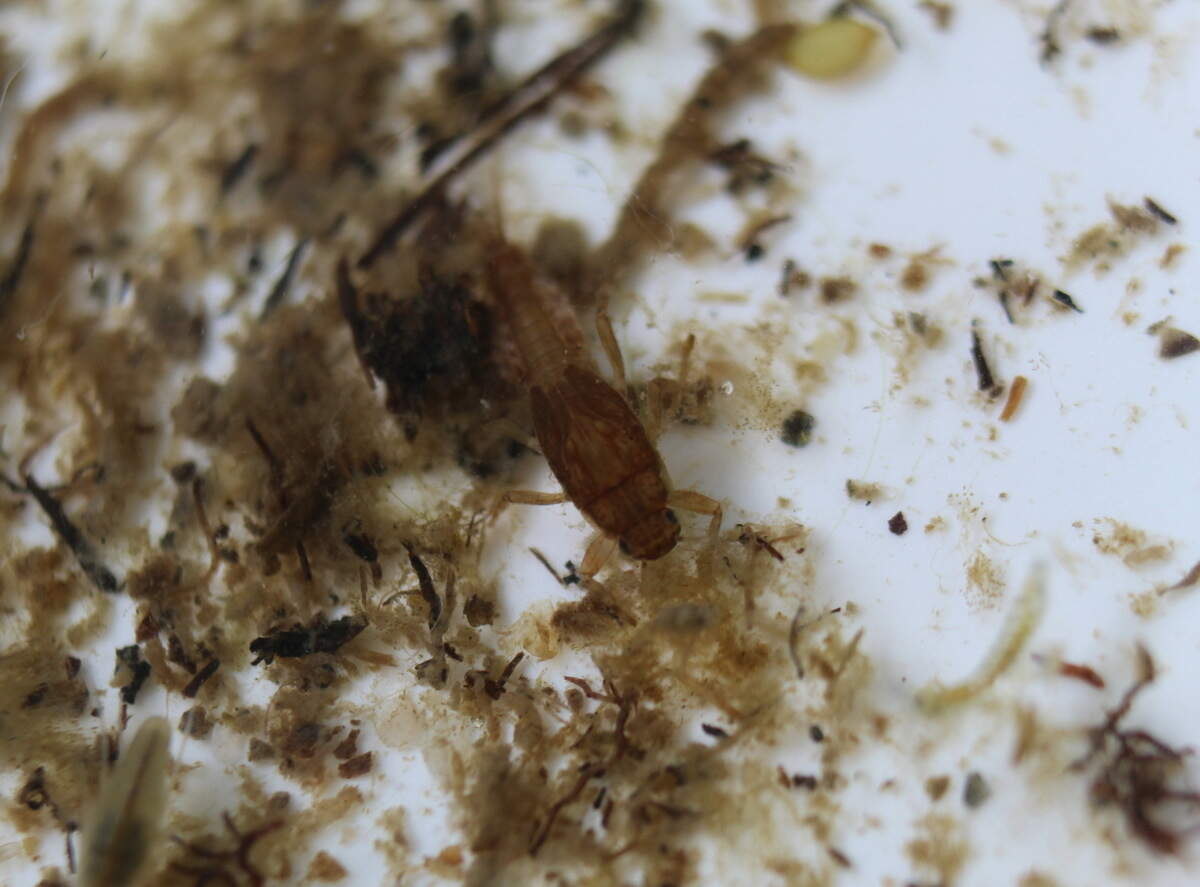
Eichert said that even though it may not seem like river dynamics are connected to dragonflies, everything is all threaded together, like the hammock in Tolman’s analogy. Young dragonflies, called nymphs, live underwater, and they eat small aquatic creatures like tadpoles and mayflies. If a dam makes the river less healthy, it could make dragonflies less healthy, too.
Researchers took inventory of these river insects while looking for dragonflies to learn more about the food resources and overall health of the ecosystem.
There is still much to learn about dragonfly ecosystems, Tolman said, but the collaboration between LifeOutdoors, experts and students made him optimistic.
“I think it’s a really exciting frontier that, you know, one of the students from this workshop could be the one, right?” Tolman said. “One of the students from this workshop could be the one to figure this out.”