Boise is retooling affordable housing approach. It could pay off for developers
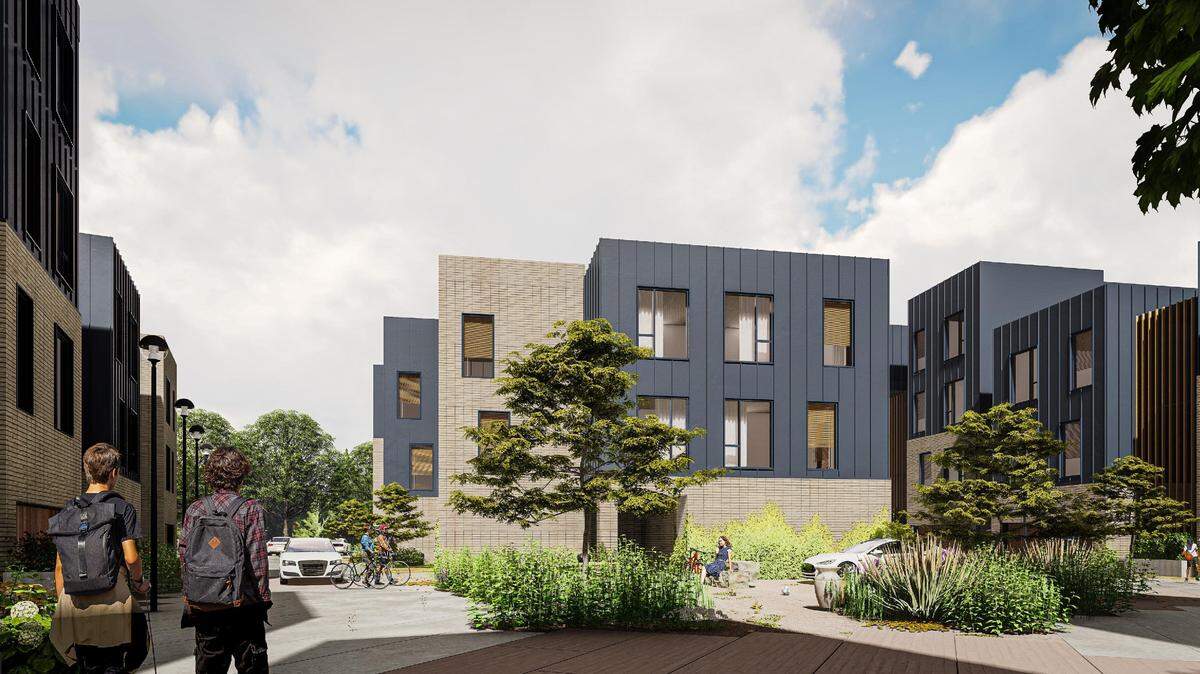
Affordable housing has been a longtime concern in Boise. Recognizing that, the City Council developed incentives to nudge developers toward building more affordable homes as part of 2023’s zoning code rewrite.
For example, the new code allowed builders to construct fewer parking spaces in complexes as long as they kept a certain number of apartments classified as “affordable,” meaning for people in a certain income range.
Now, city staff have proposed lowering the requirements for developers after an analysis showed they aren’t financially feasible.
“We’re going to need to make some changes to this to make it work,” said Kyle Patterson, Boise’s director of organizational effectiveness. “Few projects are using these incentives so far.”
Some of those incentives allowed developers more density, less parking or the ability to build above height limits. In exchange, they were to provide units reserved for people whose income was less than the area’s median.
Many of the projects that have used the incentives would have included affordable housing anyway, Patterson said. And some developers are telling the city the incentives don’t work or pencil financially for them.
Boise’s analysis bore that out: If developers chose to take the city’s incentives, they could lose anywhere from $31,000 to $6.5 million, depending on the size of a project, according to a presentation during a recent City Council meeting. That’s because the requirements to earn the incentives cost more than the savings they offer, according to the presentation.
It’s hard for any one incentive to work financially, Patterson said, and the city might need to “stack” them, or offer multiple concessions to developers in order to get them to include affordable housing.
To get the incentives under the zoning code in place now, developers are required to reserve some rental units to people who make anywhere from 60 percent to 80 percent of the area’s median income. Under a new city staff proposal, developers would need units available only to people who make at least 80 percent of that median.
Some of the rules required developers to make a quarter or a half of all units affordable. Under the new proposal, that would drop to 10 percent to 25 percent of units.
However, the units now are required to be kept affordable for 20 years. This new proposal would raise that to a 50-year time period.
Patrick Boel, managing director at real estate developer Roundhouse, said most of the land the company owns is in areas where the new zoning code already provides for high-density housing, large heights and no parking requirements, making any incentives unnecessary.
Deeply affordable housing, for those who make just a fraction of the area’s median income, requires cash subsidies, Boel said. His company is getting ready to break ground on a project at 27th and Fairview that’s using a federal tax credit program, he said, and not the city’s incentives.
Cities in other states are taking different approaches to promote affordable housing. For example, some places in Oregon exempt property taxes on affordable units. Boise’s analysis shows that incentive would be popular, but it can’t legally offer that.
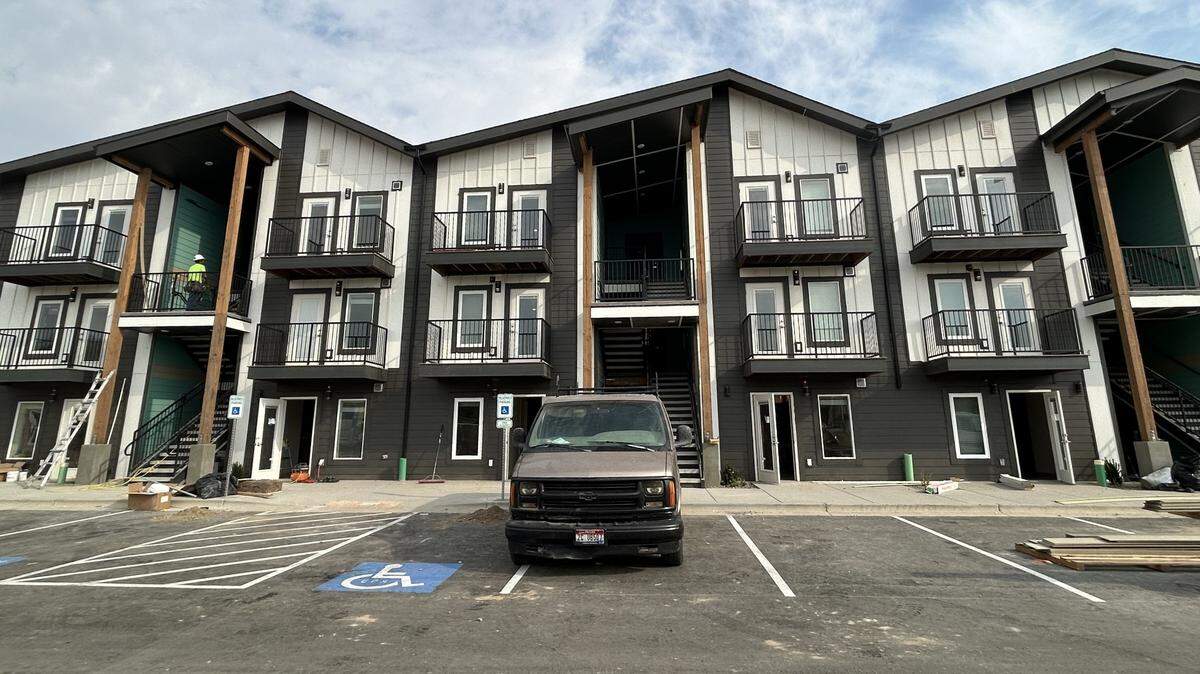
Low-income housing in Idaho can be exempt from taxation only if it’s owned and managed by a nonprofit.
The hard part is finding and incentivizing “missing middle” housing for people who don’t have super-low incomes but are having a hard time finding a place to live in the current market, Boel said. He suggested the city could be flexible on certain requirements that add cost, such as asking developers to build public streets.
Boise spokesperson Maria Ortega, however, said the benefit of well-connected public streets “outweighs short-term savings.”
“It’s so, so expensive to build right now,” Boel said. “If you’re building market-rate housing, you have no choice but to charge the absolute highest rents you can possibly get.”
Bart Cochran, the CEO of affordable-housing nonprofit Leap Housing, said the organization has not had a project yet where the affordability incentives made sense.
It’s a win to get for-profit developers to participate in building affordable housing, Cochran said — if it can be done.
“Nobody has to convince us to develop affordable housing,” Cochran said. “Hopefully those adjustments will cause more people to utilize (the incentives).”
The goal is to present a revised ordinance by August, said Ortega, the Boise spokesperson.