Want a rum and coke at Treefort? Here’s what Boise decided about liquor in city parks
Two years ago, Boise’s Treefort Music Fest was a wet one, with soggy weather, muddy park surfaces and wrecked grass.
This year’s festival won’t be all that dry, either.
Well, at least in one new way.
On Tuesday, Boise’s City Council approved a one-year pilot program to allow permitted special events, such as Treefort and Boise Pride, to sell liquor in certain city parks. That’s in addition to wine and beer, which were already allowed with permits in those locations.
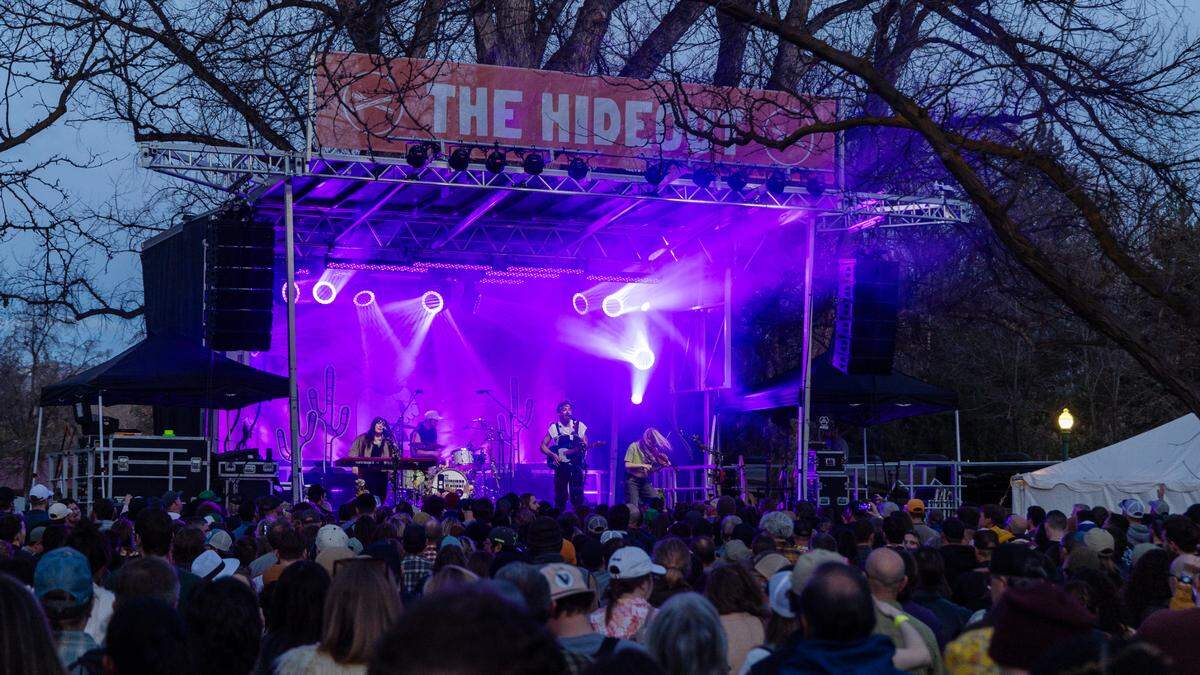
Organizers of special events — those with over 1,000 attendees — requested the change, citing demand from patrons and a hope that liquor sales could “generate significant revenue for the events,” according to the ordinance.
City code already allowed for the sale and consumption of liquor on public property, such as Boise’s 8th Street Corridor, with a city-issued catering permit. But it had carved out city parks and recreational facilities as exceptions where so-called hard alcohol was not allowed.
The new permissions will apply to fewer than 20 of the city’s 92 parks — in general, to the same ones that already allow beer and wine for permitted events, including Julia Davis and Kathryn Albertson parks. Julia Davis Park is the main home to Treefort.
After discussion in previous meetings, the council decided to exclude Cecil D. Andrus Park from the change in an effort to keep hard alcohol away from the Idaho Capitol, Council Member Colin Nash said at a Jan. 14 meeting.
The ordinance allows only large events to offer hard liquor with licensed providers. Private parties and smaller events will remain limited to wine and beer, Andrea Cantor, an economic development adviser for the city, told the City Council during a December meeting.
Will liquor bring disruptive behavior, damage?
After weeks of back-and-forth and amendments to the original proposal, the ordinance passed with a tie-breaking vote from Mayor Lauren McLean. Nash and Council Members Jimmy Hallyburton and Meredith Stead voted in favor of the change. Luci Willits, Kathy Corless and Jordan Morales voted against it.
Several council members expressed hesitation about expanding the alcohol offerings at large events to include liquor. At multiple meetings in recent months, they said they wanted to hear from the Boise Police Department during the pilot program about whether offering hard alcohol led to problems.
“I have mixed feelings about this,” Nash told the council.
“Introducing liquor does increase the chance of overconsumption of alcohol, potentially leading to disruptive behavior, damage or conflicts,” Morales claimed.
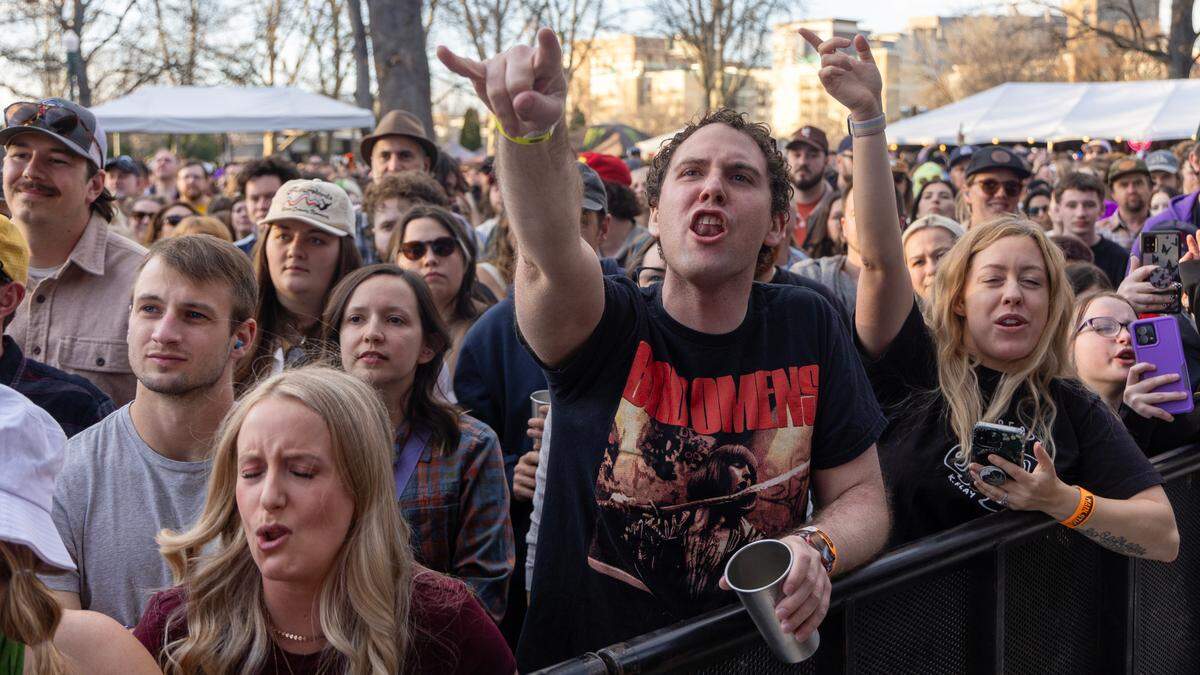
Alcohol revenue could boost events’ profits
But Stead and Willits raised concerns about the onerous process organizers must undergo to get city approval for large events, the events’ thin profit margins, and the competitiveness of nearby cities if Boise blocked a possible revenue stream.
“If there’s something that we could do to help offset those costs in a responsible way and give them a different revenue stream, then I’m in support of that,” Stead said. “We can give this a shot.”
Organizers’ requests to sell hard liquor would be wrapped into the existing vetting process for other kinds of alcohol, where organizers must show that they have a plan for security, fencing and safely serving the drinks, Cantor told the council in December.
If vendors can be trusted to serve beer and wine properly and responsibly, that should extend to hard alcohol, Hallyburton said at the Jan. 14 meeting.
“I’ve got a lot of faith in our event organizers to do things well,” he said.
The new ordinance is set to go into effect on Saturday, Feb. 2, city spokesperson Maria Weeg told the Idaho Statesman.
This story was originally published January 29, 2025 at 1:50 PM.