Boise wants red light cameras. Ada commissioner says they would turn city into ‘Seattle’
At a Boise City Council meeting in early October, there was no opposition to piloting cameras at traffic intersections to catch drivers running red lights. Council members and city staff agreed that Boise faced an “epidemic” of red light-runners, and that the trend — while hard to quantify — was having a real effect on drivers’, bikers’ and pedestrians’ safety.
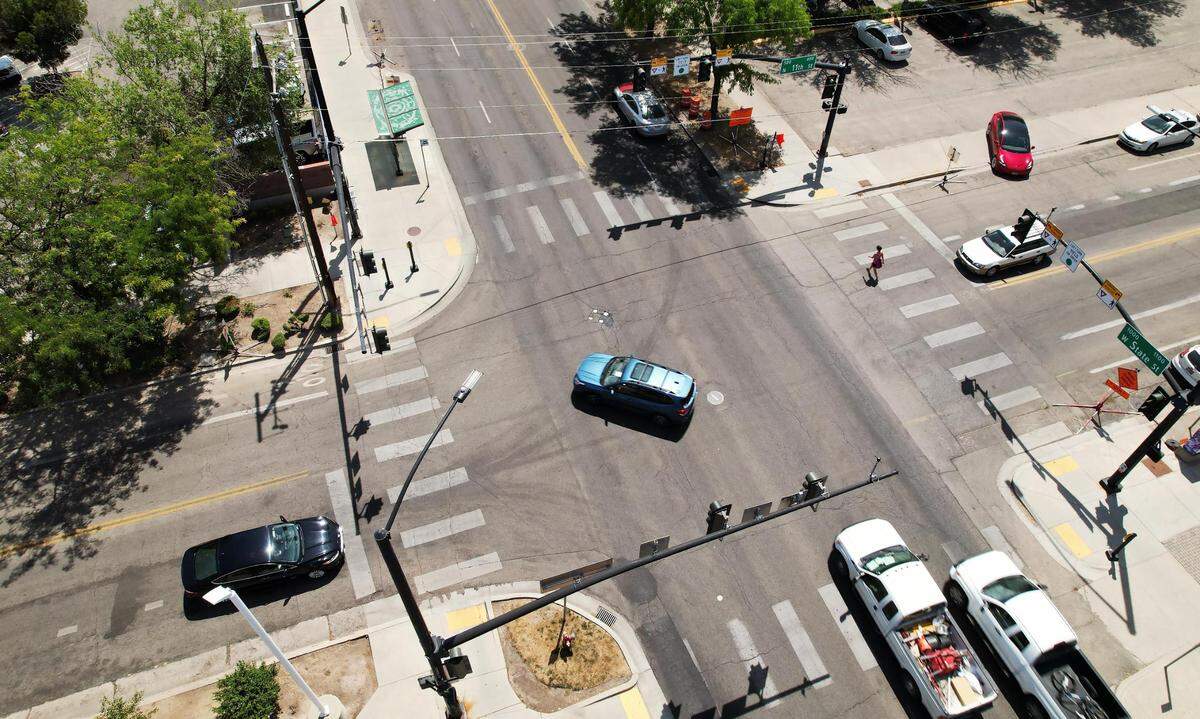
To install the cameras, Boise needed to sign a licensing agreement with the Ada County Highway District, which oversees the city’s streets. At a Wednesday meeting, it appeared that the proposed agreement would sail through — until Ada County Commissioner Ryan Davidson spoke up.
Attending the hearing as a member of the public, Davidson urged ACHD commissioners to deny the request to sign the licensing agreement, or at least table the decision until the public could offer its input. He voiced concern about the installation of the cameras — even for the one-year pilot — because it presented a slippery slope toward government expansion and overreach.
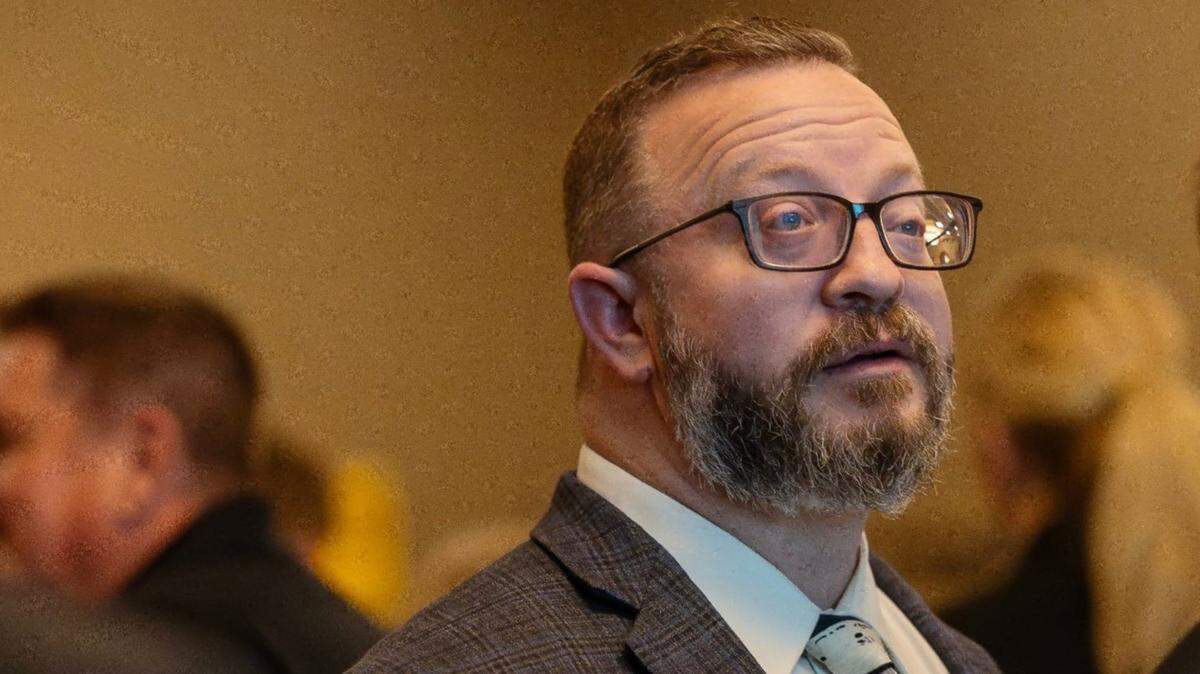
“It’s certainly leading down a path to radical expansion of government, policing power, surveillance, all these types of things,” he told commissioners. “You know the old quote that ‘the government always expands, and never contracts?’ I think once this kind of technology gets a foothold, it’s only going forward. It’ll never go back.”
“We’re all always talking, like, we don’t want to become the next Seattle, the next Los Angeles,” he added. “I think these are the types of programs that lead us in that direction.”
The ACHD commissioners voted unanimously to approve the licensing agreement and allow the pilot program to move forward, but vowed to keep an eye on the program.
ACHD: Red light cameras could save lives
Davidson told commissioners he had not raised concerns with Boise during previous discussions of the pilot program. Commissioner Jim Hansen urged him to do so, implying that Davidson was asking the commission to step outside of its lane.
“We’re not a law enforcement agency,” Hansen said. “You’re saying we should use this agency to stop something that isn’t even in our jurisdiction. … I think it’s just really important that we recognize, anytime you have a complaint about law enforcement, law enforcement policies … you go to the government that regulates it, and you have to go to the city of Boise if you have a concern about this.”
Commissioner Kent Goldthorpe sought to assuage Davidson’s concerns about government overreach.
“I’m as concerned about someone’s constitutional rights as you are,” he said. “I hope you understand, Ryan, that there are at least two or three people on this commission that would go absolutely ape if any of your fears were to come to realization, and this agreement would stop so fast it would make your head spin.”
At the same time, Goldthorpe was emphatic that these cameras weren’t merely addressing a minor infraction.
“This isn’t a matter of law-breaking. This is a matter of people dying the last few years because of this particular violation,” he said. “I know the city of Boise, and I know this commission, has gotten sick and tired of that happening.”
“If it turns out to be a bad actor doing this, their noses will be rubbed in it so fast and so hard you won’t believe it,” he added. “That’s why we’re not unhappy with giving them this chance to make a real problem in this community either go away or become a lot less serious.”
ACHD Commissioner Kent Goldthorpe noted that Ada County Sheriff Matt Clifford had told him that the sheriff’s office did not have a way to raise revenue to increase enforcement against drivers running red lights. Goldthorpe suggested that red-light cameras could help to fill that gap.
“We really don’t know what else to do,” Goldthorpe said.
In their early October meeting, Boise’s City Council sought to frame the cameras as a support to law enforcement officials before voting unanimously for the program.
Council Member Jimmy Hallyburton invited Officer Kyle Wills, a member of the city’s traffic fatality review task force, to weigh in. Wills spoke in support.
Council President Colin Nash, noting an uptick in assaults on police officers, said he views the cameras as a win-win.
“Anecdotally, what we’ve heard is officers’ concerns about interactions with the public that may become hostile,” he said. “I think we can help law enforcement, help keep them safe, help still address the compliance with our traffic laws.”
On Wednesday, Davidson didn’t appear comforted by law enforcement officials’ endorsement of the cameras, or assurances that they would use them responsibly.
“I’m not really concerned about today’s Ada County Sheriff’s Department, today’s Boise Police Department,” he said. “I’m concerned about the department five years from now, 10 years from now. … It will just continue to expand and potentially get out of control, because once you let the genie out of the bottle, there’s really no going back.”
This story was originally published October 10, 2024 at 4:00 AM.
CORRECTION: ACHD Commissioner Kent Goldthorpe suggested that red-light cameras could help address the Ada County Sheriff’s Office’s inability to raise revenue to increase enforcement against drivers running red lights. An earlier version of this story misstated what Goldthorpe said Sheriff Matt Clifford had told him about red-light enforcement.