’A building of identity’: Facing immigration rhetoric, Idaho Latinos embrace activism
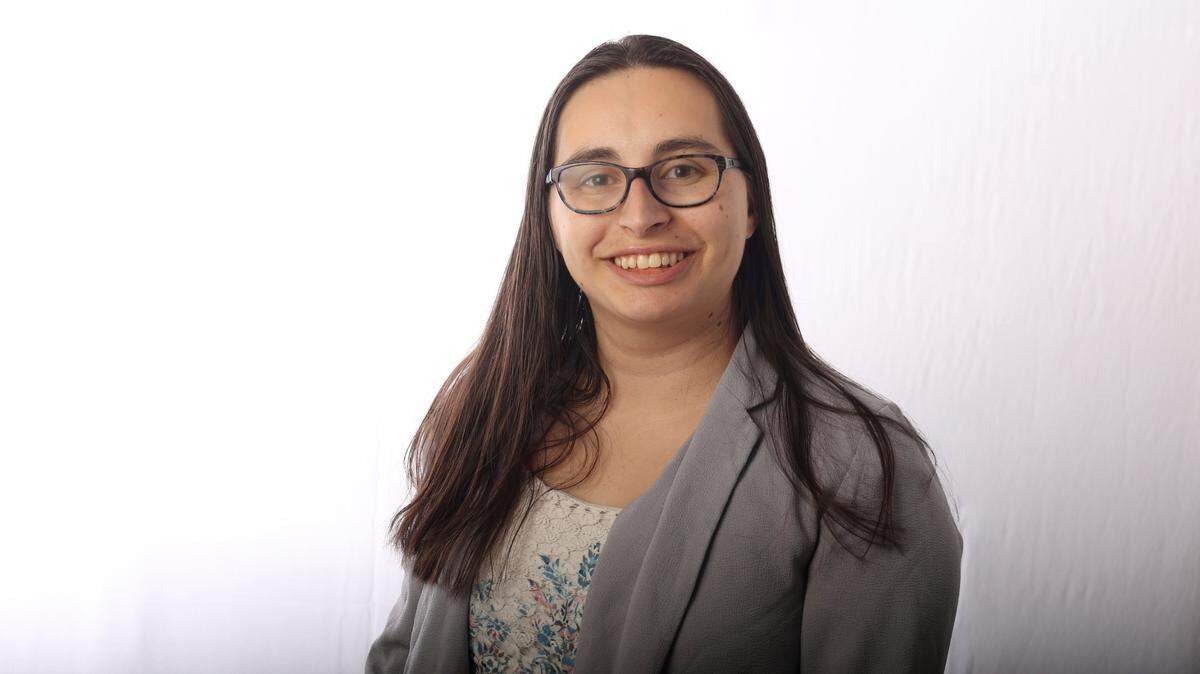
Libbie Luevanos-Herrera has been in activism before — mainly on teenage suicide.
But the 28-year-old recently joined SOMOS, a program of trainings run by the American Civil Liberties Union of Idaho to foster Latino leadership and advocacy, as well as fight against the narratives around immigration ahead of the presidential election.
Luevanos-Herrera said she wanted to connect more with her community, and immigration has touched her life. She’s a DACA child — the acronym for Deferred Action for Childhood Arrivals, referring to the federal program that protects children brought by their parents to the United States at a young age without having permanent legal status.
DACA “rules her entire life,” she said. Luevanos-Herrera basically lives in two-year cycles of applying to get reapproved to keep the program’s protections for her in place.
Latino advocacy “is heating up,” Luevanos-Herrera said, standing in a hallway at the Idaho Hispanic Community Center. “I feel like the younger generations are seeing what their parents went through or what they themselves went through, and they understand what power looks like. They’re understanding that they can drive narratives.”
Idaho’s Hispanic population has grown 36% since 2010, and it is up 26% nationwide in the same time frame, according to the U.S. Census Bureau and the Pew Research Center.
And many immigrants face rhetoric referring to them as nefarious or criminals, as seen in Eagle recently during a campaign to make the town a nonsanctuary city. This sort of rhetoric also causes anxiety for U.S.-born Latinos, according to previous reporting.
That day in early August at the ACLU of Idaho event, staff members stood in front of around two dozen people tucked into a meeting room at the community center, part of the SOMOS trainings.
On two white pieces of paper taped to the wall, participants first discussed the general public’s thoughts about immigrants, often in what they described as negative terms. Then they wrote down what they think immigrants actually are: hard workers, taxpayers, family-oriented. The group agreed that immigrants aren’t seen enough in that more positive light.
“How do we take that power back?” one of the staff members asked the group.
In part, the goal of the program is for people to understand their past and heal, while they also get involved in the community.
Leonardo Gonzalez, 25, said the program helped him realize that a lot of his past behavior was a result of feeling unaccepted.
“I felt like I was just a part of a system that didn’t want me to succeed,” Gonzalez said. “I actually would like to be a lot more involved. ... I didn’t even realize this was a thing.”
There’s a long, rich history of Latino advocacy and activism in Idaho, from fighting for a farmworker minimum wage and immigrant rights marches in 2006, to protests against a potential Immigration and Customs Enforcement center in Jerome in 2017.
“I don’t think it’s ever gone away,” said Irene Ruiz, executive director of the Idaho Organization of Resource Councils. “We were more reactionary when it came to the Trump administration.”
But Idaho Latino activism is expanding into more facets, Ruiz said.
There have been immigration issues to address under both recent presidential administrations, said Estefanía Mondragón, executive director of PODER of Idaho, who agreed that Latino activism is broadening into areas such as environmentalism.
There are many issues “we can be a part of and that we should be a part of,” Mondragón said.
“It’s amazing. There’s a renaissance coming here in Idaho, of Latino voices, Latino art and Latino culture in the state,” Mondragón said. “It’s like a building of identity for Latinos here in Idaho.”
Annai Aguilera Gonzalez, 20, attended the SOMOS program sessions. She said she got her start in activism in middle school, when she saw young students worrying about ICE patrols.
There are amazing organizations to join, Aguilera Gonzalez said, and even more that are on the rise as Latino communities work to have their voices heard.
“I have a lot more hope for (activism),” Aguilera Gonzalez told the Statesman. “Especially after coming to programs like these. ... It’s going to get strong.”