Here’s how to keep up with air quality in Boise. Spoiler alert: The reading will stink
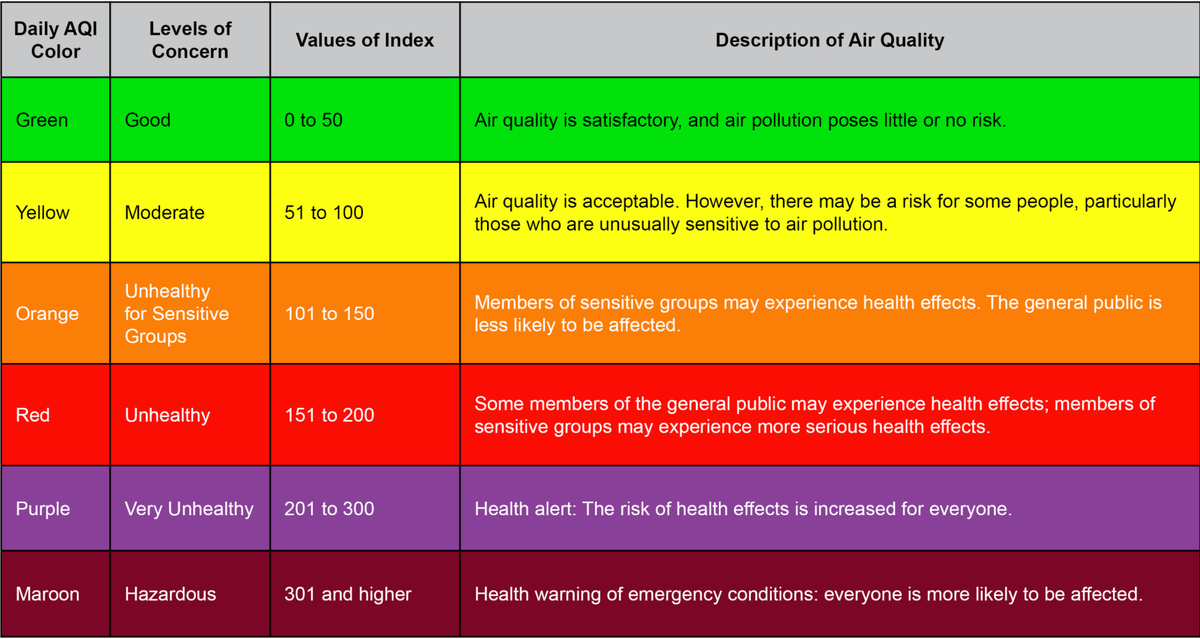
Orange, red, purple.
Numbers in the 150s and 180s.
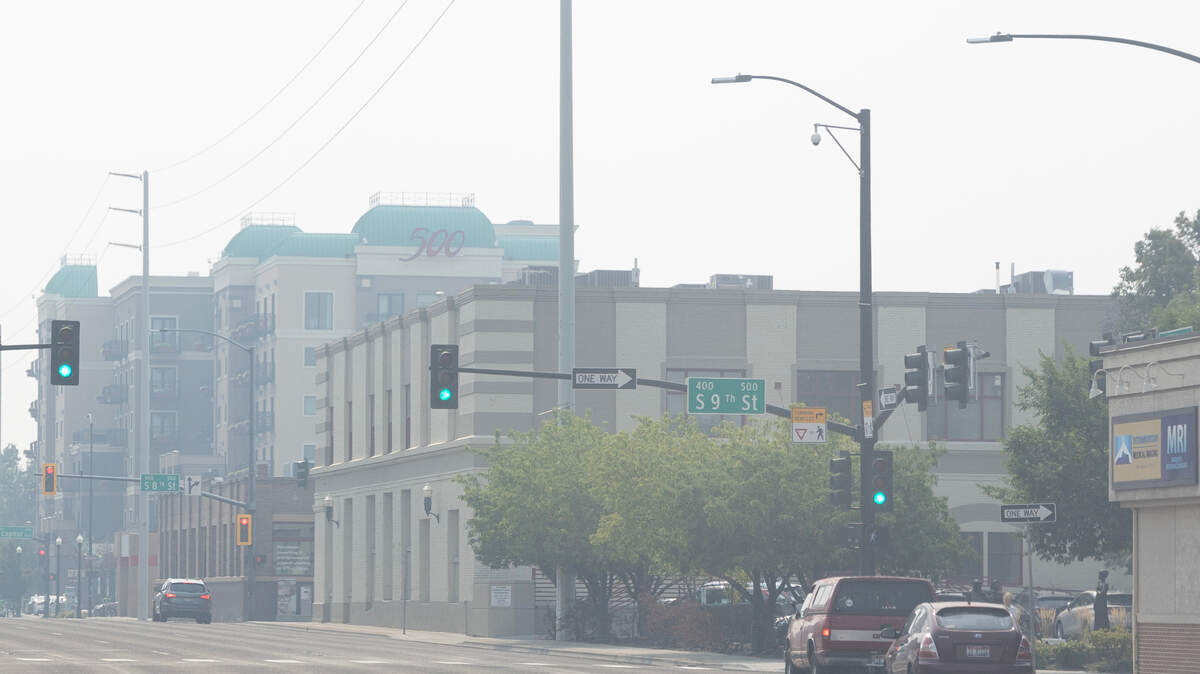
As wildfire smoke pours into Boise and the Treasure Valley, causing us to suffer through horrible air quality, what does all the data mean, and where does it come from? What sources can be trusted?
Boise maps on Thursday showed red, indicating unhealthy levels for all residents, according to the Environmental Protection Agency and the Idaho Department of Environmental Quality.
But information from the DEQ map varied, with different readings depending on where you went in the valley. That’s by design. The department has multiple monitors set up, in Nampa, in Meridian near Interstate 84, in Garden City near Expo Idaho and in East Boise. There’s also a seasonal monitor in Weiser, at the western edge of the Treasure Valley.
Early in the afternoon, measures ranged from 152 in Nampa to 187 in Garden City. At 3:30 p.m. the Boise monitor showed a reading of 133, which is in the orange category, but the numbers on the other three were still in the red.
The numbers follow a pretty simple system. The figures represent pollutants in the air, considering how large the pollutant molecules are and the severity of the pollutant, according to previous Idaho Statesman reporting. The higher the number, the more potential health impacts for Idahoans.
“There’s multiple locations and they all report independently,” Michael Toole, DEQ regional airshed coordinator, told the Statesman in an interview this week. “We actually have a real-time air quality map that you can pull up, and it’ll give you a color and a number for each location.”
The DEQ real-time map shows the hourly averages, Toole told the Statesman on Thursday.
There are many maps and apps available that show air quality in your area. Much of the time they present nearly identical readings, regardless of what you select. The Department of Environmental Quality and AirNow monitors are run by state governments and have “very regimented” quality assurance procedures, according to Toole.
“With those other monitors, we have no control over the quality assurance,” Toole told the Statesman. “We rely mainly on ours. ... (But) even those other maps that aren’t the government-run ones are useful for informational purposes.”
Toole said Thursday was “going to be kind of a roller coaster of colors throughout the day on those hourly averages” in the Treasure Valley. A lot of that is a result of the smoke’s origin, which can produce a much higher reading at one particular monitor.
“We can see those differences even within the valley, based on where the smoke is coming from and how it reacts with the weather,” Toole said. For example, he said, Oregon fires sometimes produce worse air quality readings in Nampa than in Boise.
Regardless of the exact reading Thursday, the DEQ suggested that all people take precautions, such as limiting driving, combining trips and errands, and reducing time outdoors.
This story was originally published August 8, 2024 at 3:04 PM.