Two rabid bats found in Idaho. What to know about rabies, how to protect yourself, pets
The Idaho Department of Health and Welfare recorded its first rabid bat of the year in Ada County last week after two dogs were exposed to the animal.
Rabies is a preventable disease that infects the central nervous system and leads to death in animals. Humans also can die quickly if left untreated.
“Rabies is a fatal viral illness in people and animals if proper medical management isn’t sought early after an exposure to a rabid animal,” Leslie Tengelsen, Idaho public health veterinarian, said in a news release.
“People should call their health care providers promptly if they believe they have been bitten or scratched by a bat to discuss the need for post-exposure shots, which are extremely effective at preventing rabies. People can contact their veterinarians to discuss ways to protect animals.”
Here is what to know about rabid bats in Idaho, and how to protect yourself and your pets from rabies.
What is rabies and how is it treated?
Rabies is a disease that affects only warm-blooded mammals, according to the Centers for Disease Control and Prevention — and that includes bats, dogs, cats, wolves and, of course, humans.
The disease eventually spreads to the brain, leading to death.
Many people envision animals with rabies as acting crazy and foaming at the mouth, and while this can be true, it’s not the only symptom. Some animals may act timid or move slowly and let you get close to them. Any behavior exhibited by an animal that seems very out of the ordinary is typically a sign to steer clear.
Rabies in humans exhibits itself through hyperactivity, excitable behavior, hallucinations, lack of coordination and fear of water or fresh air, according to the World Health Organization. Death typically will come a few days after infection due to cardio-respiratory arrest, if there is no treatment.
Vaccination — in animals and humans — is the most effective way to prevent rabies.
Only one to three cases of rabies in humans are reported annually, according to the CDC, but about 60,000 people receive medical care each year as a precaution to prevent rabies after being bitten or scratched by an animal. About 5,000 animals with rabies are reported annually to the CDC, 90% of which are wild.
Unfortunately, once an animal exhibits signs of rabies, there is no cure. Humans can receive post-exposure prophylaxis, which includes one dose of immune globulin and four doses of rabies vaccine over 14 days.
Bats and rabies in Idaho
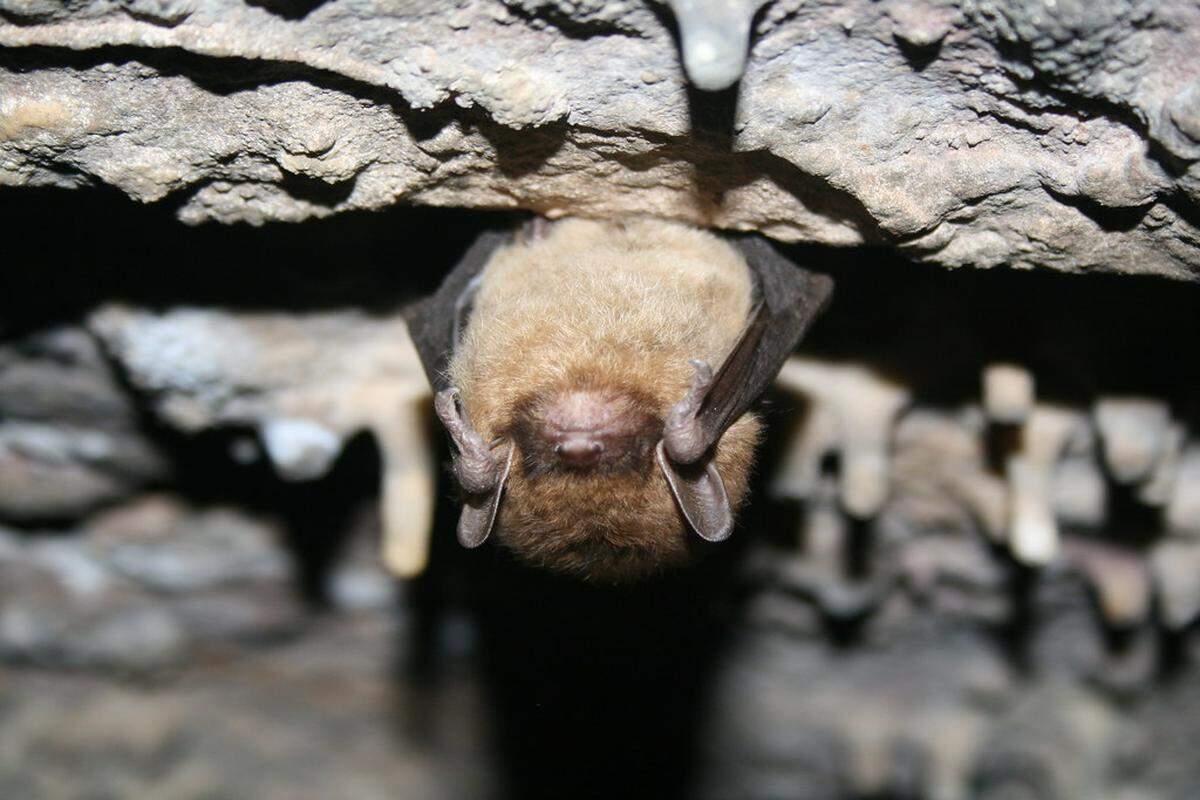
While rabies can be transmitted through any sort of warm-blooded mammal, bats are the only natural source of the virus in Idaho, according to Health and Welfare.
Idaho averages 15 rabid bats per year, but last year the state had 26 bats test positive, and in 2021 a Boise County man died from rabies.
Bat roosting season in North America began in early May and lasts through the end of July, according to previous McClatchy reporting. Bats enjoy finding a warm place to rest and raise their young during this time, including inside your house.
Popular roosting spots include attics, chimneys and other small cracks throughout the house — the smallest bats can crawl into a half-inch wide gap.
The most common way people come into contact with a bat, according to IDHW, is when a pet brings one inside or it enters a home through a small opening or window. Bats have small teeth and nails; even a tiny scratch can transmit rabies.
“People sometimes wake up to find a bat in the room and may not be sure whether they have been bitten or scratched while they slept,” Health and Welfare wrote in the news release. “In these circumstances, a health care provider should be consulted.”
Ways to protect yourself and your pets from rabies
While vaccination is the No. 1 thing to do to avoid contracting rabies, both for yourself and in animals, here are some other tips to keep safe:
Never touch a bat with your bare hands.
If you come into contact with a bat or wake up to find one in your living space, seek medical advice immediately.
If possible, you can call your local public health district about testing a bat for rabies.
If you must handle a bat, always wear thick gloves. You can keep the bat in a container with small air holes if it is alive. The bat should be double-bagged and sealed in clear plastic bags if it is dead.
Maintain tight-fitting screens on windows.
Teach children to avoid bats and to alert an adult if they see one.