‘Idaho, be our voice’: Iranian residents, Boise supporters part of human chain protest
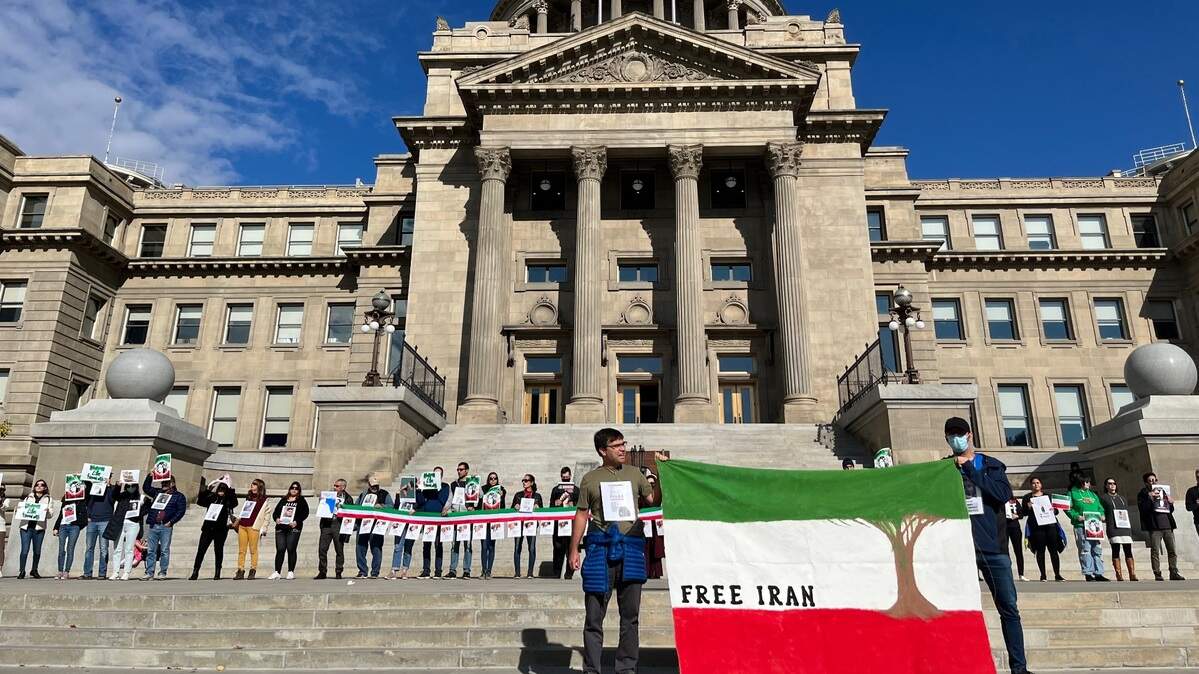
Nearly 100 members of Boise’s Iranian community and local supporters met at Grove Plaza in downtown Boise on Saturday afternoon to take part in a “human chain” gathering — a series of coordinated protests worldwide to stand in solidarity with anti-government protesters in Iran.
This was the fourth gathering the Iranian-American community has held in Boise since 22-year-old Mahsa Amini died in custody on Sept. 16 in Tehran after being detained by Iran’s morality police for allegedly wearing a hijab in an improper way.
Demonstrators met this weekend at 1:30 p.m. and marched in front of Boise City Hall and the Idaho State Capitol.
Arvin Farid, a civil engineering professor at Boise State University, is part of the group that has organized the local protests.
A 25-year U.S. resident, he said the gathering was meant to raise awareness and denounce the Iranian government.
“Up to today, at least 257 people that we know of have been killed,” he told the Idaho Statesman. “Some have been killed in the streets, some have been taken to jail. Another strategy is to kidnap girls off the street and take them to jail or rape them, then send their bodies to their families.”
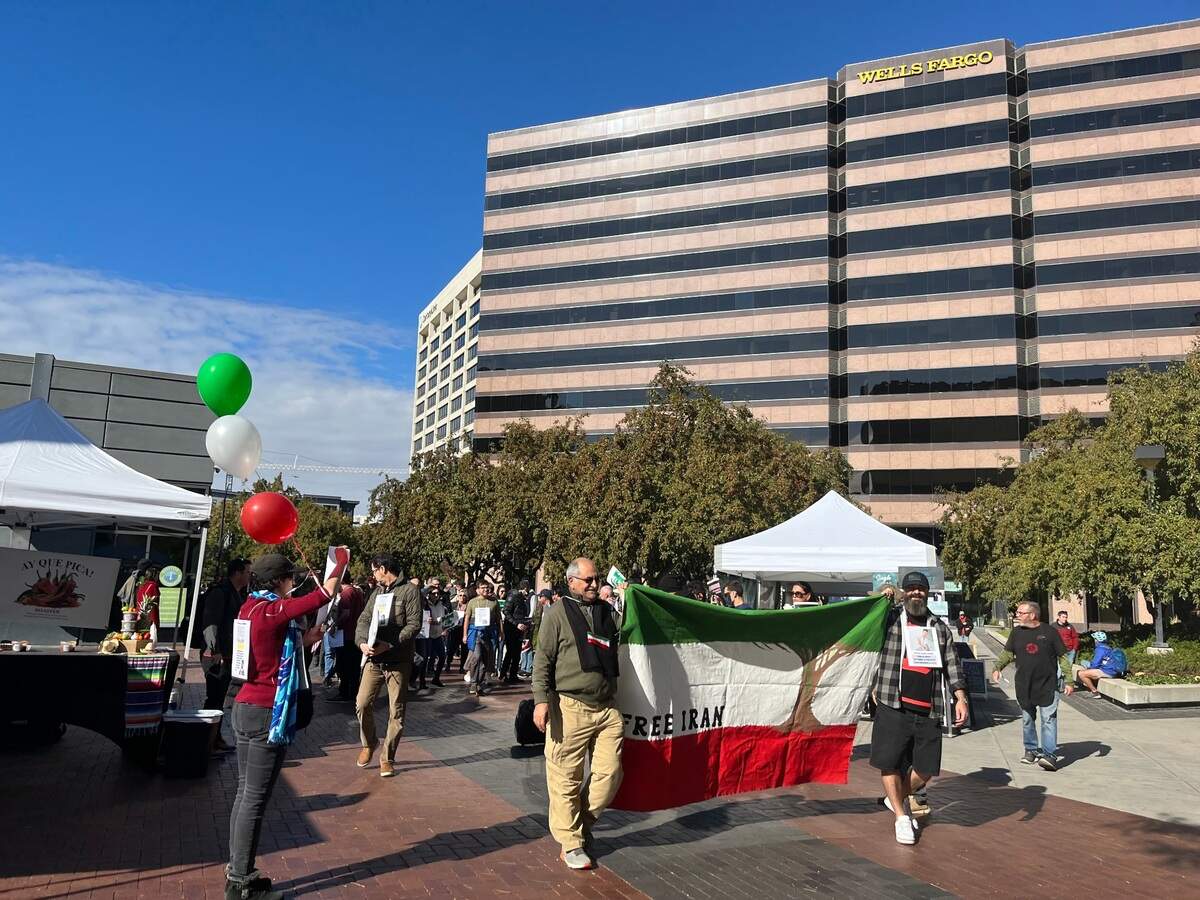
“Woman, Life, Freedom!” Farid chanted with the crowd. He translated Persian chants to English, explaining that they were targeting the Iranian regime and standing in solidarity with protesters in that country.
“This one means that even though we are far from home, we are all behind you,” he said.
Denouncing human rights violations, calling for sanctions
To minimize media coverage of growing protests across the country, the Iranian government has shut off internet access in much of the country. On Oct. 20, the U.S. White House released a statement condemning that shutdown.
Sanaz Nah, of Boise, said she has not been able to speak with her father for over a month. Nah was born in Iran but has lived in the United States since she was 11.
“Iran is an Islamic republic, and it’s not chosen by the people,” she said. “We are standing up for basic human rights. Women want freedom. They want their country back.”
Nah referred to the 1978-1979 revolution, which resulted in the country’s adoption of a theocratic government, basing its constitution off Islamic law. Since then, Iran’s government has stipulated and enforced a dress code for women.
But after the death of Amini, more Iranian women have rejected the requirements related to hijabs. Some women have burned their headscarves in the streets and cut their hair.
“Iranians have made their choice, Idaho, be our voice!” demonstrators shouted Saturday. “One solution, revolution!”
Organizers called on the Boise community to reach out to congressional representatives and push for further sanctions against the regime.
U.S. Sen. Jim Risch, R-Idaho, is the ranking GOP member of the Senate Foreign Relations Committee. Risch has pushed to enforce sanctions on Iran related to the U.S. seeking a nuclear deal with the country and other events. He has joined many lawmakers in condemning Iran’s actions since Amini’s death.
The U.S. announced sanctions against the country on Oct. 6 amid growing pressures from U.S. demonstrators to support the anti-government protesters.