Boise eyes more money toward a key housing initiative. Leaders say it’s crucial
In order for Boise to curb homelessness, city leaders are committing more resources to permanent supportive housing options for people who have experienced chronic homelessness.
“Any city that’s working on this and having any success is having success through permanent supportive housing,” Boise Planning and Development Services Director Tim Keane said at Tuesday’s City Council work session. “This is the path forward.”
Permanent supportive housing serves chronically homeless tenants who receive affordable housing assistance and support services. Following a housing-first model, there aren’t restrictions based on background, sobriety or mental health status.
On Tuesday, the City Council furthered its commitment to permanent supportive housing by preparing to assign an extra $7.5 million for on-site support services and signing off on an agreement for a developer to build at least 40 new housing units on city-owned land for people who have experienced homelessness and are medically fragile.
“It’s hugely important to the city. We’re at a bit of a crossroads here,” Housing and Community Development Senior Manager Maureen Brewer told the Idaho Statesman by phone. “We can invest in sheltering people or we can invest in a solution. That solution is housing and specifically (permanent supportive housing).”
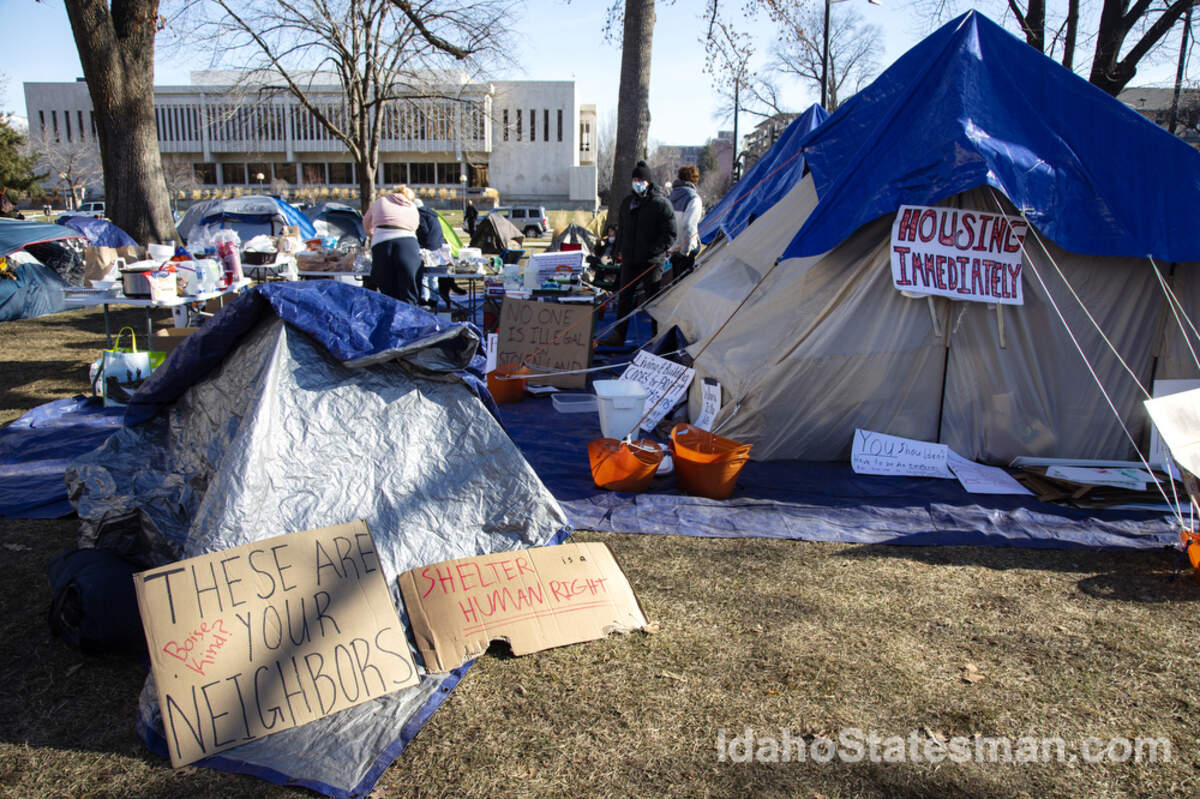
Boise eyes extra $7.5 million for permanent supportive housing
During the work session, Keane outlined a plan in which the city would spend $88.5 million through 2026 as part of its housing investment strategy. Of that, $46.5 million would come from the city’s general fund while the rest would come from a combination of federal programs and philanthropy.
That $46.5 million had already been approved to be spent on housing, Keane said. The $7.5 million to be spent on “soft costs” for permanent supportive housing hasn’t yet been approved, Brewer said, but would come from that pot of money. Soft costs are the on-site services.
“The piece that’s missing is the supportive housing leg of the stool,” Brewer said at Tuesday’s work session.
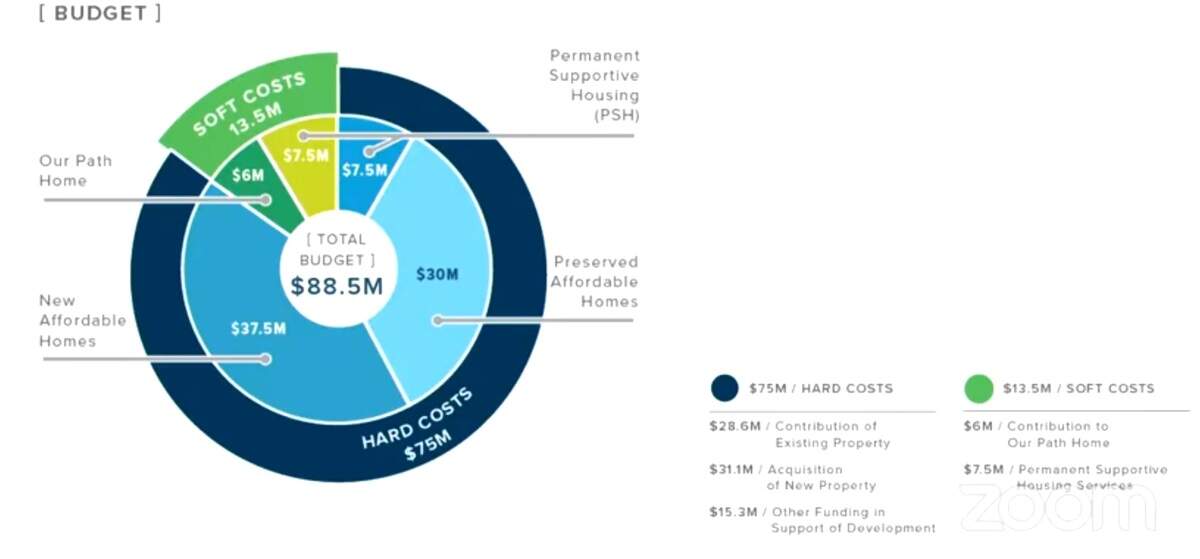
The city’s goal, by 2026, is to add 600 shelter beds, 250 supportive housing residences, 1,250 new affordable homes and 1,000 preserved affordable homes.
Mayor Lauren McLean described the city as a “committed partner” in paying for services that help prevent and end homelessness. Money in fiscal year 2023 has already been set aside for housing, but not assigned a distinct purpose, like the $7.5 million for supportive housing soft costs. Boise plans to pay for supportive services in fiscal years 2024 through 2026 primarily through American Rescue Plan dollars. After that, the city plans to use Medicaid, diversified grants and its own supportive housing investment fund.
“With council’s commitments so far and with recovery dollars we’ve received, we’re poised to be able to implement permanent supportive housing in the coming years,” McLean said.
New development planned next to fire station
The City Council on Tuesday also approved an agreement with Northwest Real Estate Capital Corp. for the company to build at least 40 units of permanent supportive housing on city-owned land next to the future fire station No. 5, which is planned to be demolished and rebuilt at the same site near Rhodes Skate Park and the I-184 Connector at 212 S. 16th St.
The tenants are planned to be adults experiencing longtime homelessness who also have at least one debilitating condition. The partnership is an example of the city using land it already owns and leasing it to a private developer to build housing.
“One of the biggest hurdles is finding land and not having it be cost prohibitive to develop this kind of housing,” Jess Giuffre, vice president of development for Northwest Real Estate Capital Corp., said by phone. “Really excited about creative opportunities where they’re using some surplus land, they’re including housing in the redevelopment of other facilities that are integral to city services, in this case, the fire station.”
Giuffre said construction is set to begin by the end of September 2024.
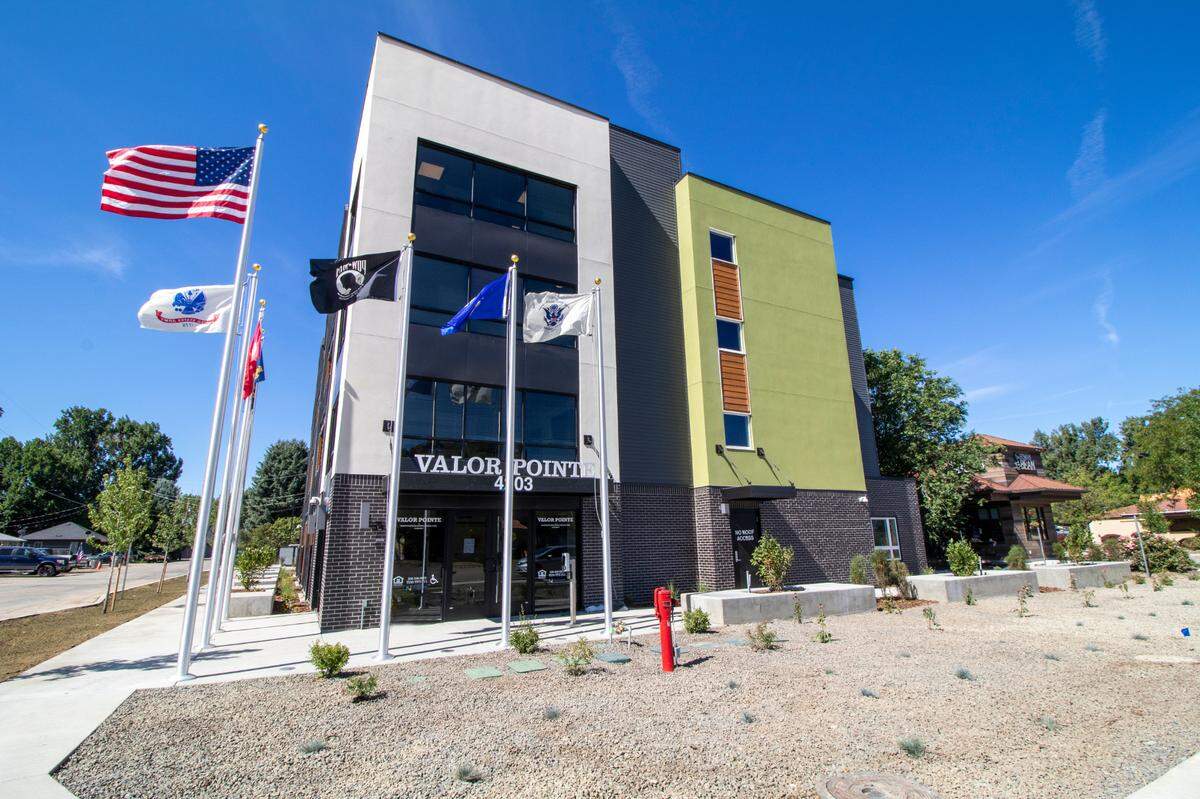
Northwest Real Estate Capital Corp. also worked with the city on Valor Pointe, a permanent supportive housing development for veterans that opened in August 2020 at 4203 W. State St. The 27-unit apartment complex offers health care, mental health counseling and substance abuse treatment.
Valor Pointe residents’ rent is covered by Section 8 housing vouchers. That means they pay 30% of their income in rent. They don’t pay rent if they don’t have income. The money to operate supportive housing has come from local hospitals, the city of Boise and federal and state programs.
There’s widespread evidence that a housing-first approach is an effective solution to ending homelessness, according to the National Alliance to End Homelessness.
That’s why Giuffre calls permanent supportive housing “crucial.”
“The thing that’s important to know here is housing these folks really reduces the strain on services,” Giuffre said. “Study after study shows in addition to being much healthier for individuals financially, the cost of housing is far less than emergency services that are often associated with these people not being housed.”
This story was originally published September 23, 2022 at 4:00 AM.