Zoning code could ban homeless shelters near residential areas in Boise. Here’s how
The ongoing feud between residents and Interfaith Sanctuary advocates over whether it’s a good idea for the shelter to relocate to Boise’s Veterans Park neighborhood has divided the city.
Yet one line quietly added to a draft of a revised Boise zoning code may prevent Boise shelters from ever being placed next to residential areas again.
City planners have spent more than a year rewriting the zoning code, which determines where different types of buildings can be built. Planner Andrea Tuning said the draft will continue to change as city officials receive feedback from the community and leaders.
The latest draft adds a stipulation that shelter homes “may not (be) located within 300 feet of a residential zoning district.”
Tuning said Clarion Associates, a Denver land-use consulting firm that has been hired to help with the rewrite, recommended the addition “due to concerns expressed by homeowners in residential zones.”
If enacted, the code would only apply to new proposals. Current shelter locations would not be affected.
Neighborhood questions lack of shelter laws
Veterans Park Neighborhood Association President Katy Decker favors the addition. She would like to see the zoning code go even further.
“I think that it is important to include a residential buffer, especially for large shelters,” Decker said in a phone interview with the Idaho Statesman. “I think that we need to acknowledge that not all shelters are created equal, and maybe allow by right designation for shelters that meet a set of pre-approved criteria, and allow a conditional-use process for operators who don’t feel that they can comply with those criteria.”
The neighborhood association has offered a detailed list of suggestions for the zoning code in a 101-page document submitted to the Planning and Zoning Commission. The association proposes rules for shelter size, types of shelters, security, regulation around other zones and more.
Interfaith says law could hurt homeless
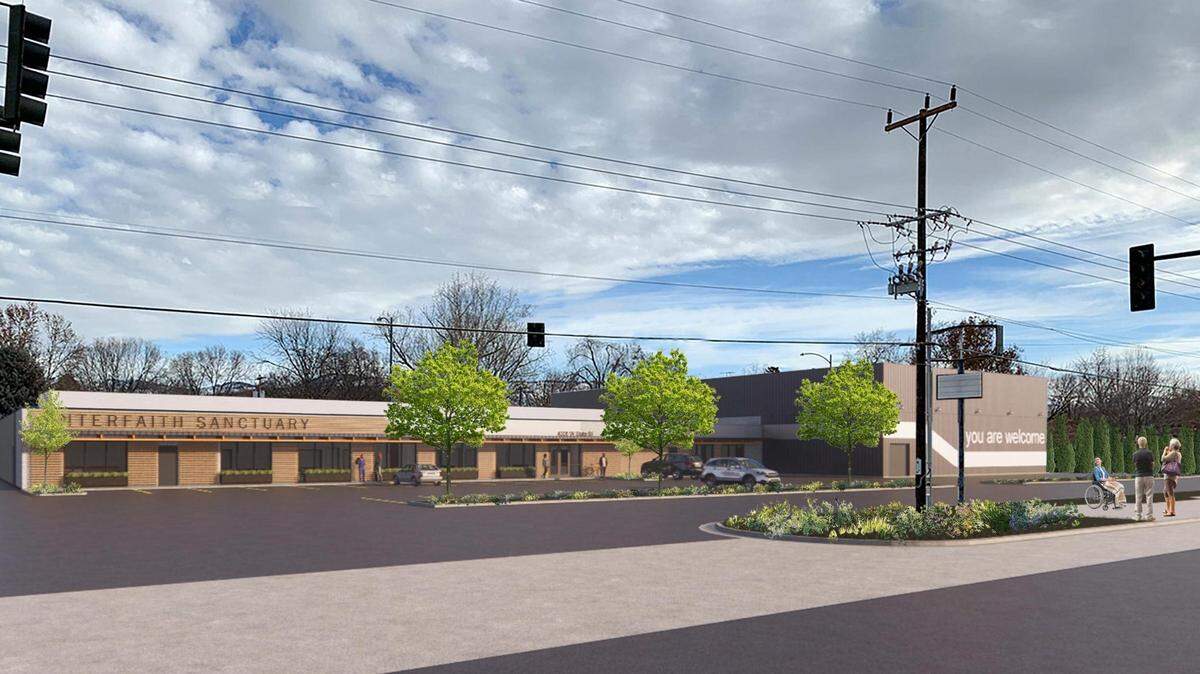
Had this proposal been in effect, the Interfaith shelter would not have been allowed to move to the former Salvation Army store and office building at 4306 W. State St., since it it within 300 feet of a residential zone.
However, only permits submitted after the adoption of the zoning code will be affected, meaning the Interfaith application can continue.
Jodi Peterson, Interfaith director, believes adopting this proposed restriction would make it difficult to build smaller, scattered shelters that she believes are needed.
“That would just eliminate so many possibilities of where you could site a shelter,” Peterson said.
The Boise City Council will hold hearings to decide whether to overturn the Planning and Zoning Commission’s denial of Interfaith’s request to upgrade and use the $2.4 million State Street building, which Interfaith has already purchased. Interfaith wants to convert it into a 200-person shelter with emergency beds, supportive beds for seniors and those with medical needs and private rooms.
The commission said it believed the shelter would harm the surrounding area and lacks a needed security plan. The council’s appeal hearings are scheduled to last 25 hours spread over five days from next Monday, April 18, to Monday, April 25.
Separately, the council is expected to vote on the final version of the zoning rewrite in mid-2023, according to city planners’ timeline.
People can continue to submit comment to city about the zoning code draft by getting in touch with planners at cityofboise.org/zoning-code-rewrite.
This story was originally published April 12, 2022 at 12:08 PM.