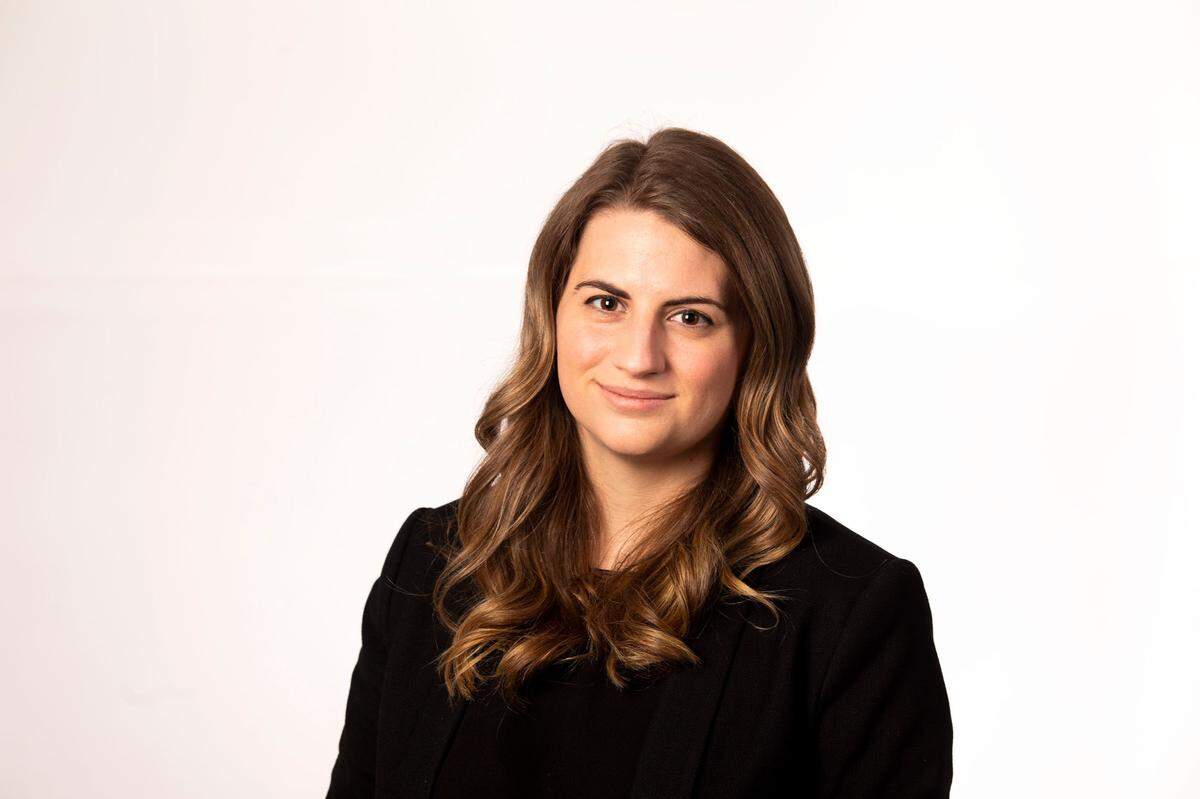
Memories of hardship prompt this Idaho refugee’s dream to build state’s biggest museum
Shortly before Palina Louangketh was born, the communist North Vietnamese government took control of Laos and penciled in a date for her father to be executed. He fled to the United States in 1976, leaving behind his pregnant wife and son.
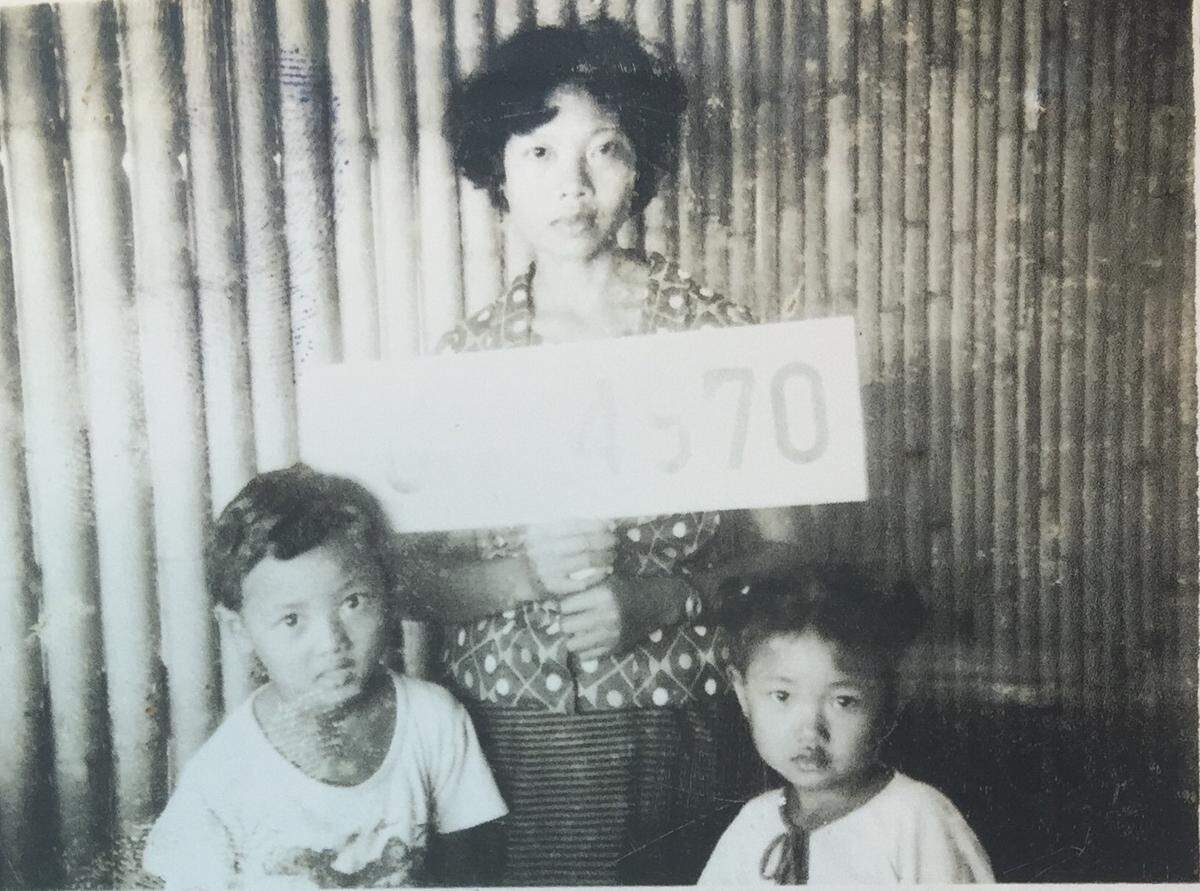
Louangketh’s mother Phouthasinh would try to join him by escaping her home country three years later. One night, after dinner with family, Phouthasinh did not lead her 5-year-old son and 3-year-old daughter back home. Instead, they walked the other way, toward the forest and the promise of freedom.
“We slept on sites where massacres had happened, we walked through rice fields, we pretended to work in fields and pretended that we were part of the community in that area just so that the communists wouldn’t wonder, ‘Who are you?’” she recalled of their two-week trek to Thailand.
The harrowing story of her family’s journey to Idaho inspired Louangketh to launch a new project called the Idaho Museum of International Diaspora, also known as IMID (pronounced eye-mid).
If she can pull it off, it would become the largest cultural project Boise has seen in years. For now, IMID exists online and through community projects. But the ambitions of Louangketh are grand, and she hopes to eventually open a physical museum dedicated to those who have left other countries to find refuge in Idaho.
A place to remember where Idahoans came from
A diaspora is a group of people who have been involuntarily displaced from their original homelands. They would have wanted to stay in their home countries if only things had been different but instead found a new life elsewhere.
Louangketh believes that too often diaspora stories go unheard. Since people often cannot return to their home country for years, they are left isolated from their culture of origin.
Louangketh’s family didn’t know at the time that they would not step foot on Laotian soil again for 11 years. After crossing the Mekong River that serves as the country’s border, they fell asleep near the riverbank. The next morning they awoke in Thailand to find they had been lying on fresh graves, the shallowly buried bodies swelling beneath them in the jungle heat.
The final step of their journey involved hiding in the back of a rice truck that drove them to the refugee camp where they would eventually get approval to come to Idaho through a resettlement program.
They were one of 131,139 refugees admitted to the U.S. from East Asia in 1981, according to the Refugee Processing Center.
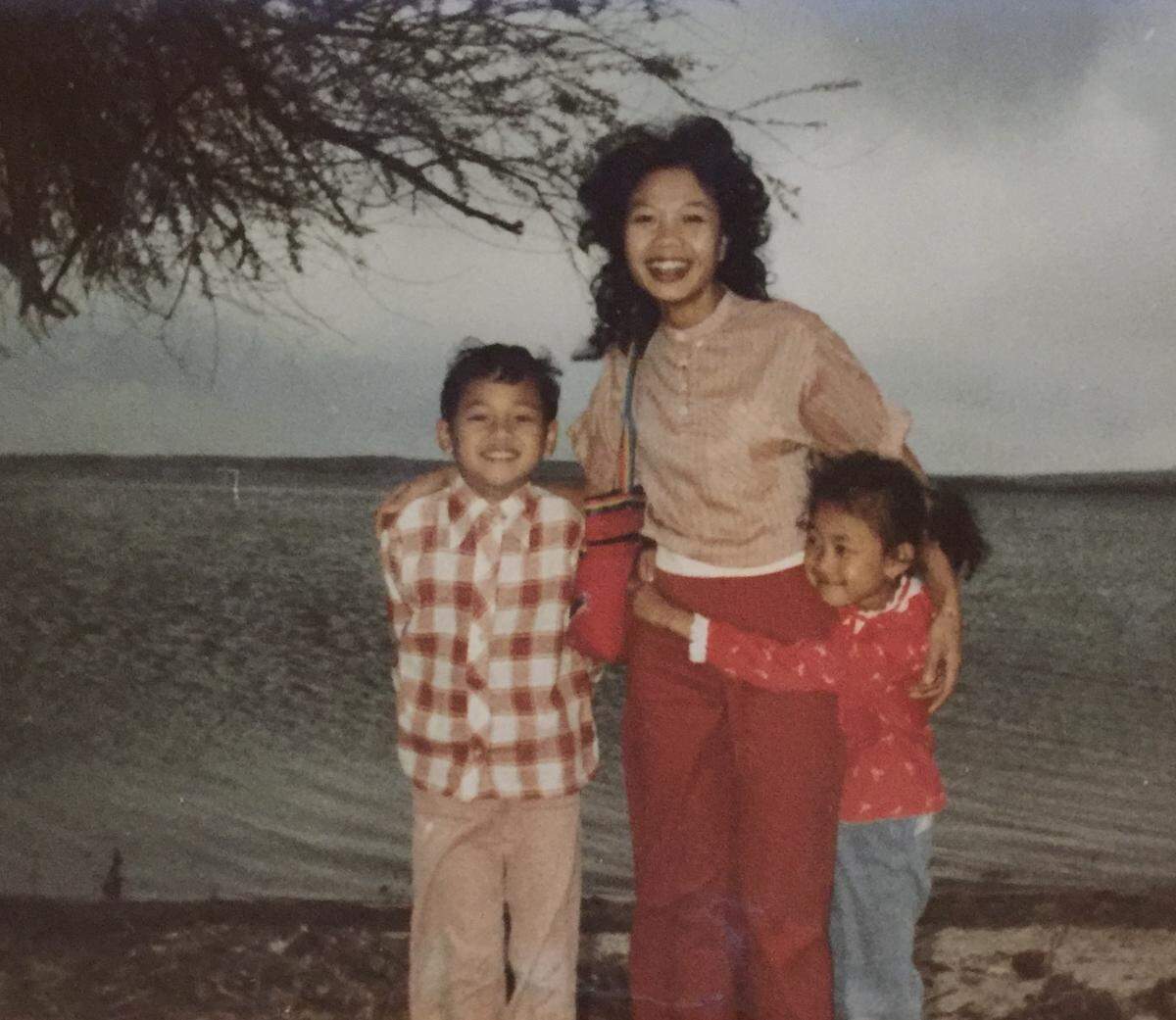
“I think it’s very important that we preserve, first and foremost, the raw realities, the integrity of the human journey stories,” Louangketh said. “It’s so important that we do that, because we’re human. We have faults. And it’s only natural for us to forget things as they were intended for us to learn about.”
The Idaho Museum of International Diaspora became an official 501(c)(3) nonprofit in May 2019, and Louangketh has spent the intervening years building relationships, collecting diaspora stories and organizing communities projects like art displays and cultural cooking classes.
But she doesn’t want the project to stop there. Since there has never before been a museum focused on all diaspora groups within a region, Louangketh wants to build one in Idaho as an example to other places around the world.
“I think that this is the museum that will really serve as that innovative model, a design for different communities that have not perhaps gotten along together in their countries, but now we can because we have experienced shared hardships,” Louangketh said.
Museum dreams are big — very big
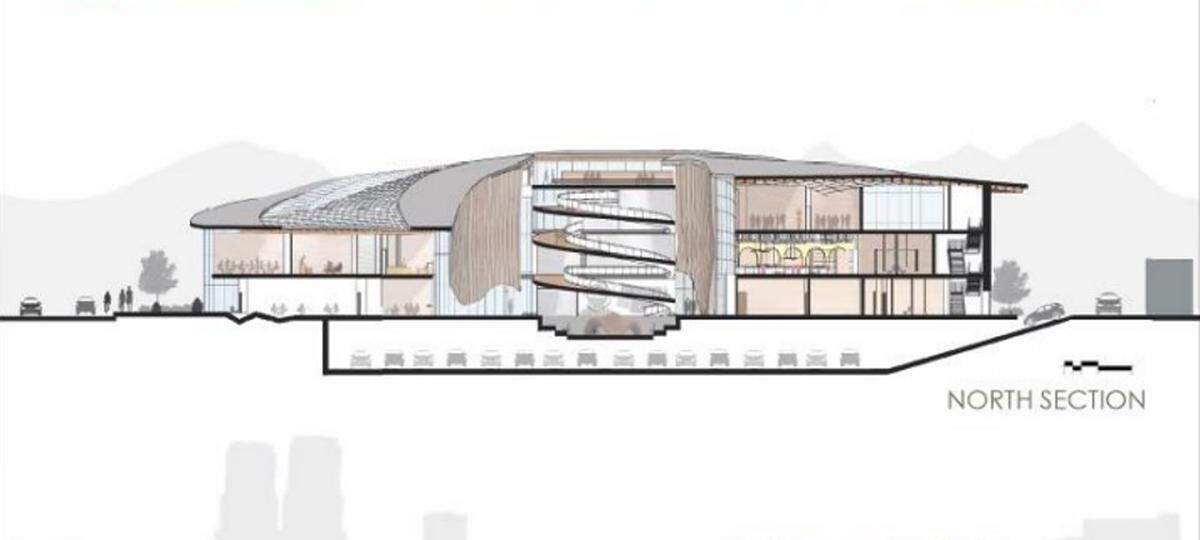
The dreams for the physical museum aren’t small. Louangketh envisions building or securing an 80,000- to 200,000-square-foot building in or near downtown Boise. The Museum of Clean in Pocatello is the state’s largest museum building at 75,000 square feet, followed by the Museum of Idaho in Idaho Falls at 53,000 square feet.
The current designs are preliminary. The first phase of designs were created by architecture students and will be improved upon in the second phase by local architecture firm and museum partner Cushing Terrell.
Preliminary designs show a ground floor with a “grand lobby,” a gift shop selling items from local artists and an international cafe.
.jpg "IMID lobby (1).jpg")
Through the lobby doors, Louangketh envisions signs directing visitors to a botanical garden, theater, learning classrooms and an “international food district.” Food district dreams include a food court, fine dining and a commercial-grade kitchen where people could take cooking classes with “local and celebrity chefs from around the world.”
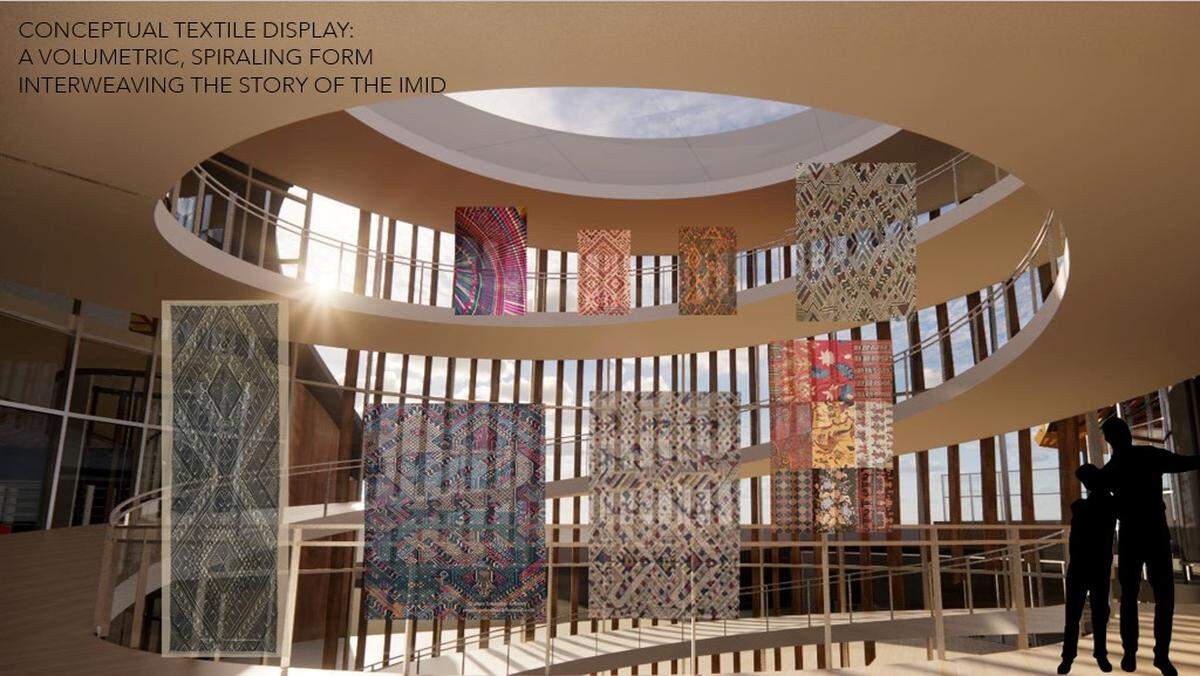
For the exhibit portion of the project, Louangketh has found local members of diaspora communities who have agreed to oversee four permanent exhibits, including Southeast Asian, Latin American, Spanish, and Bosnian and Herzegovinian diaspora exhibits. She anticipates adding more exhibit plans in the future, including an African exhibit.
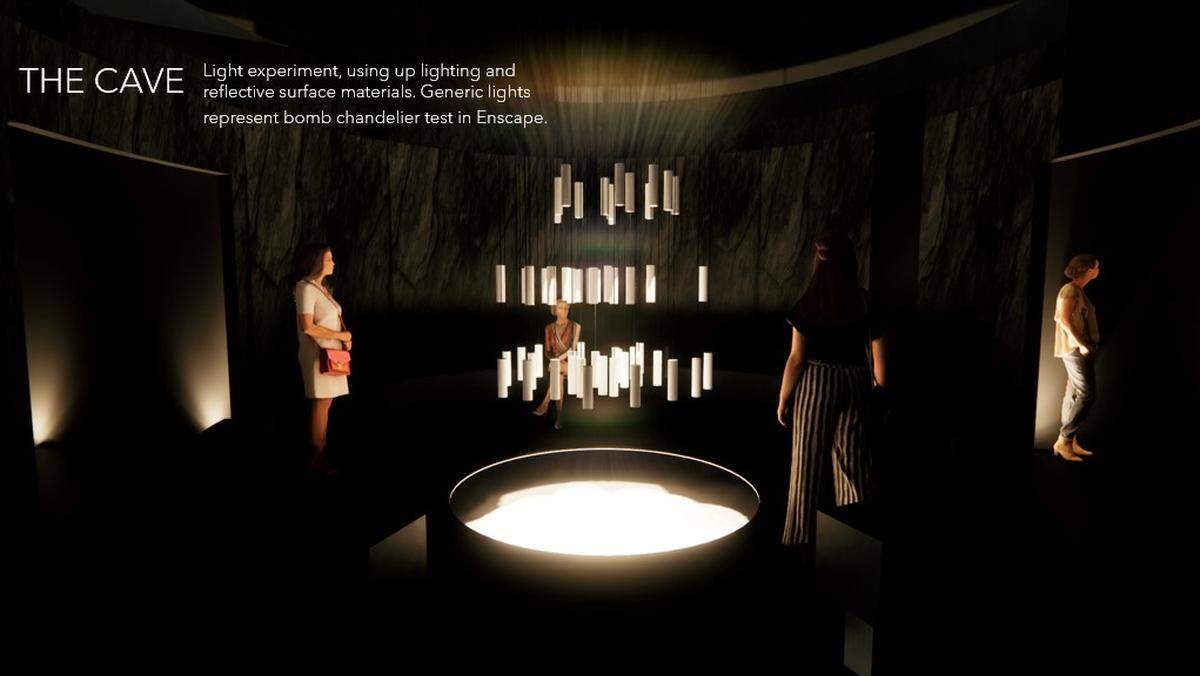
The Southeast Asia design concept includes a cave decorated with written letters telling local diaspora stories and a chandelier evocative of falling bombs.
Louangketh would like an exhibit about Americans who have helped diaspora families. She wants to name it after Chet and Donna Call, owners of Call Jewelers, who sponsored Louangketh’s family when they first came to Boise.
Museum gains international attention
The entire plan for the International Museum of Idaho Diaspora sounds dizzyingly ambitious. But there’s just something about the enthusiasm of Louangketh that make those involved believe she can do it. She will tell you her museum will be on par with the Smithsonian without a trace of doubt in her voice.
The museum has received international support. Last year, Louangketh was invited to speak about the museum at diplomacy conferences in Toronto, Slovakia and the Basque region of Spain. Her international leadership council includes representatives from five countries so far, most notably Sascha Priewe, from the Royal Ontario Museum and North American Cultural Diplomacy Initiative.
The museum’s board has plenty of local leaders as well, including retired Idaho Supreme Court Chief Justice Jim Jones and city of Boise senior communications manager Lana Graybeal.
Board member Salome Mwangi, the Idaho Office for Refugees’ social integration and speakers bureau coordinator, believes the project will be important for those who have recently come to Idaho.
“I’m especially looking forward to people who came here as refugees to realize you’re not the first ones and you’re not going to be the last ones,” Mwangi, who is part of the Kenyan diaspora community, told the Idaho Statesman in a phone interview. “Telling our stories, whether it’s through food or clothes or music, it’s one of those things that keeps that story alive and makes sure people realize it has been a long journey to calling Idaho home.”
In October 2023, Louangketh plans to host the IMID global leadership conference on cultural topics and diplomacy in Slovakia. She’s expecting representatives from around the world to attend.
The museum is a shift away from Louangketh’s health background. With a masters in health sciences and a doctorate in strategic leadership, she was previously the director of quality at Saint Alphonsus Regional Medical Center and now teaches health and foundations classes at Boise State University.
‘Why not Idaho?’
Louangketh is hoping to raise $150 million and break ground on the museum by the end of 2023. She declined to say how much she has raised.
Whether Louangketh can succeed in building such a large-scale project where others have failed remains to be seen. The last attempt to build a cultural project of this scope was former Mayor David Bieter’s unsuccessful $85 million library.
“I could see people being skeptical, but on the other hand she’s ... got the drive,” Jones said. “My thought has been, ‘Let’s watch and see where she takes us.”
The first big public push for fundraising is set to happen on April 30. The Idaho Museum of Diaspora will host the Experience the World in Idaho Gala at the Boise Center. The event’s partners include Cushing Terrell and the city of Boise.
“Why not Idaho?” Louangketh said. “If we can do this in Idaho — when we do this in Idaho — we can do this anywhere. ... We can prove to the world that, Paris, you can do this, Frankfurt, you can do this, Hong Kong, you can do this, Johannesburg, you can do this, Brazil, you can do this. You have the financial means. You have the resources that Idaho doesn’t. And look what we’ve been able to accomplish.”
Editor’s note: This article has been updated to more accurately reflect what happened to the proposed Boise Public Library building project in 2019. Lack of fundraising support was not the reason that city officials did not move forward with the proposal.
This story was originally published February 9, 2022 at 4:00 AM.
CORRECTION: A previous version of this article incorrectly listed the Idaho State Museum as the second largest museum building in Idaho. The second largest is the Museum of Idaho.