
Boise city officials saw large raises during 2021. Here’s who got the largest pay bump
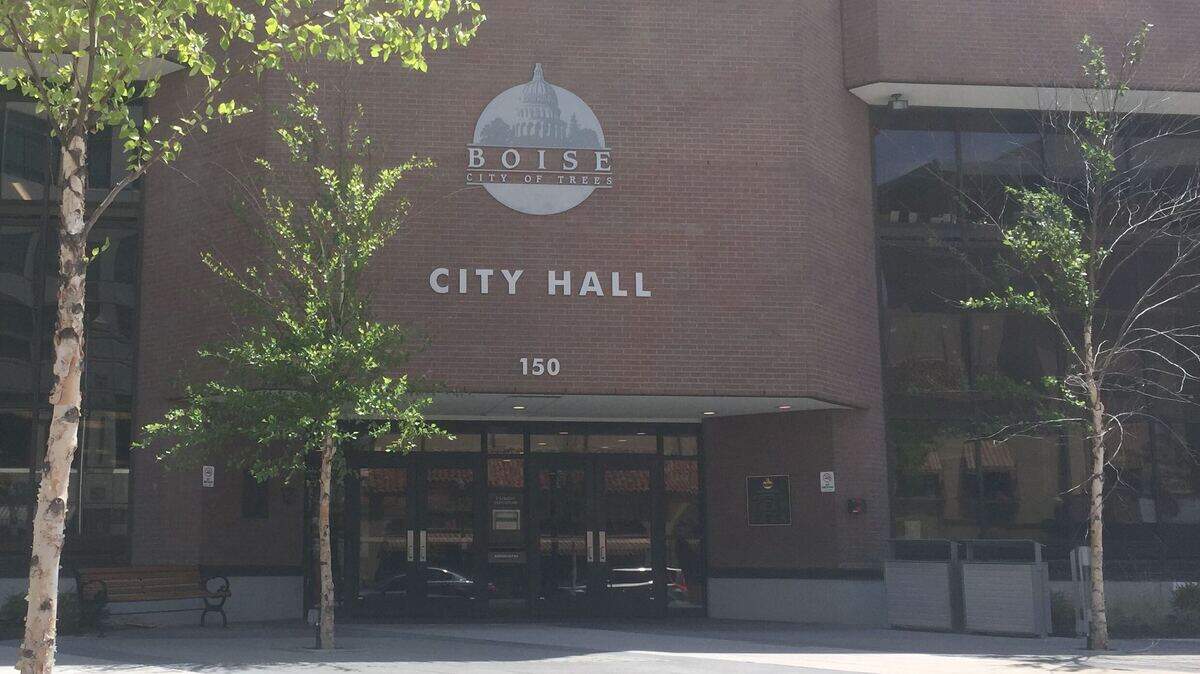
Many top city of Boise officials received substantial raises during 2021, in some cases far outpacing the raises received by employees at the lower end of the pay spectrum, according to a list of full-time salaries obtained through a public records request.
While some at the bottom of the pay scale received large raises as a result of promotions, many top employees did not change their position, yet received thousands of dollars in raises last year.
These raises came as part of what the city calls “market-rate adjustments,” a concentrated effort to make city salaries more competitive with the private market, as the pandemic-induced labor shortage has swelled the competition for qualified workers, said city spokesperson Justin Corr, who makes $90,001 per year.
“We have to sort of come close to what these positions are worth and people who have this level of education, skills and ability, particularly at the top,” Corr said by phone Monday.
The 100 highest-paid employees who were working as of January 2021 saw an average raise of $9,796 by December, an Idaho Statesman analysis shows. The 100 lowest paid employees saw their pay increase on average by $1,248.
Airport Director Rebecca Hupp, highest paid city employee at the start of 2021, remained No. 1 after she received a 10% boost of $18,761. That brought her salary to $206,252.
Below Hupp, other top-paid employees include Boise Police Chief Ryan Lee ($185,411, a 3% increase), Fire Chief Mark Niemeyer ($178,214, a 3% increase), Chief of Staff Courtney Washburn ($172,036, a 6.8% increase) and Parks and Recreation Director Doug Holloway ($169,790, a 6.8% increase).
The airport saw some of the largest pay increases of any department. Deputy directors Matt Petaja and Alex Everman saw pay increases of 21.7% (to $162,323) and 18% (to $154,502), respectively.
Other officials, such as McLean’s Deputy Chief of Staff Kristine Miller and Director of Community Engagement Maria Weeg, saw increases of 12.5% each ( to $135,033 a year for each).
City Engineer James Pardy saw a salary increase of 12.7% to $142,188, while Facilities Program Manager Rob Bousfield saw an increase of 12.8% to $142,022.
In total, the number of employees earning more than $120,000 a year nearly doubled to 62.
But while some saw increases that pushed their salaries far beyond six figures, more than 400 employees earn less than Boise’s average pay. The Bureau of Labor Statistics said the average hourly wage in Boise was $23.56 in 2020. For a 40-hour-a-week worker, that translates to more than $47,000 per year.
Corr said the city has been focusing on making wages more livable since 2012, including an increase in the minimum wage for employees to $13.53 an hour in 2020.
The lowest-paid full-time positions consist of library couriers and various custodians, each earning between $28,142 to $31,491 per year.
City Council members earn around $26,430, but they are not full-time employees and are not paid hourly. Mayor Lauren McLean’s salary saw no raise and remains at $145,099.
Despite having four of the 20 highest-paid employees, the Aviation Department has one of the lowest median pay levels of any department in the city at $44,106. The lowest belongs to the Library Department, whose full-time employees make a median salary of $40,955.
By comparison, the highest median salary for a department is Information Technology at $88,940.
Human Resources Director Sarah Borden, who earns $144,206, said the 2021 raises were to get positions closer to what these employees could expect to make in the private sector. Around 44% of non-contract employees received some kind of market-based raise, she said.
“This is just getting people up to parity,” Borden said. “We lag (behind) the market, we don’t lead the market. If we lag too far as years go by, the number of applications can go down.”
The fiscal year 2022 budget includes a $10 million increase for personnel expenses, which included money set aside for “market-rate adjustments.” Personnel expenses comprise $177 million, or 64%, of the entire budget.
Borden said the challenge in attracting employees stems from how much lower the city pays people market rates. The city’s target is to pay 15% less than the market average across all positions, she said.
“People think that we play on a level playing field when actually we don’t,” she said. “We target the midline.”
Asked why the city pays 15% less, Borden said it’s a number they’re “comfortable” with and that the city offers employees a competitive benefits package as well.
The city contracts with human-resources firms and trade associations including Payfactors, Milliman Professional and the Airports Council International to determine the market rates for certain positions, Corr said.
The city continues to struggle to fill vacancies, a problem faced by many organizations across industries. Borden said the vacancy rate remains around 8%, with 228 vacant positions as of Tuesday among the city’s nearly 2,000 part-time and full-time employees.
Speaking before the City Council on Tuesday, Borden said 45% of former employees surveyed by the city said compensation and cost of living were among the reasons they left. The percentage is higher than in previous years.
Borden also said the city has a 16% turnover rate. The city is finding it increasingly difficult to retain employees for longer than one year, as many move on to opportunities elsewhere, she said.
This story was originally published January 25, 2022 at 11:46 AM.
.jpg)