
Boiseans will vote on sewer bond. Win or lose, their bills will rise. How much, and why?
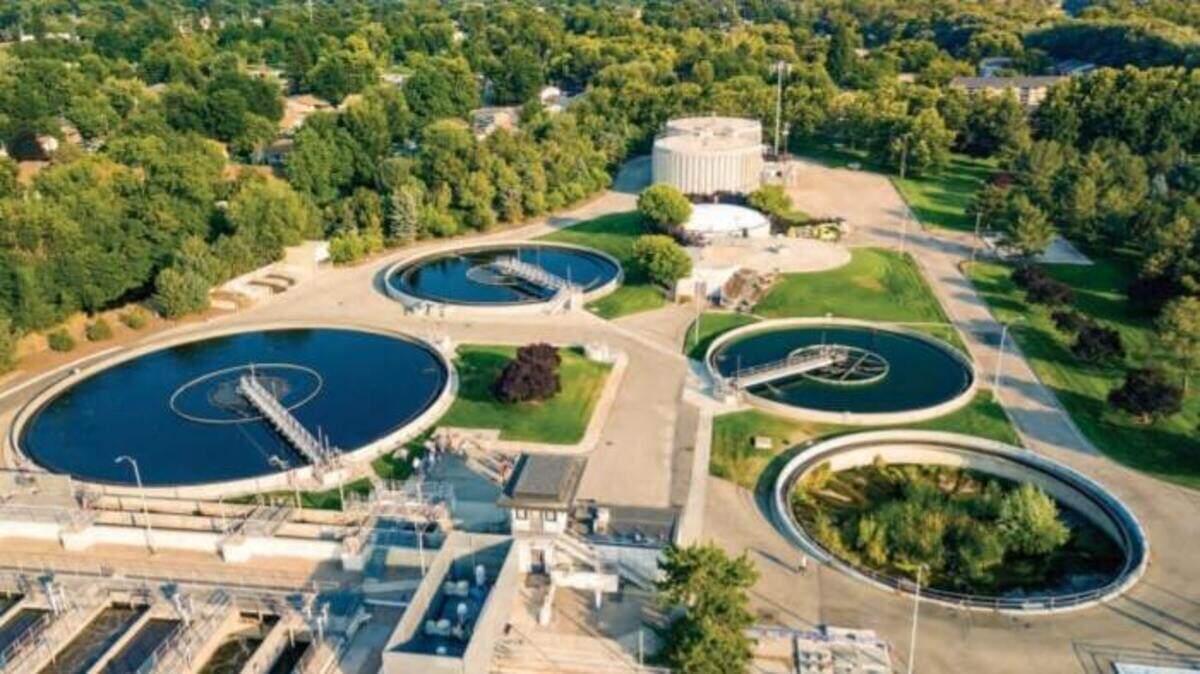
Sewage treatment rates for Boiseans will be going up. How much depends on Election Day results in November.
The Boise City Council voted Tuesday to approve an ordinance placing a question on the November ballot asking voters to fund a $570 million wastewater project for what city officials say are much-needed upgrades and repairs.
The city would sell bonds backed by sewer-rate increases to pay for Boise’s recently approved Water Renewal Capital Improvement Plan, which details the many repairs Boise’s system will require in the coming decades.
“Large portions of the $2 billion in assets need to be repaired, refurbished or replaced,” the plan states.
The plan says the Lander Street Wastewater Facility will need significant refurbishments, as “much of the existing infrastructure is reaching the end of its useful life.” Some buildings have no fire sprinklers, while much of the equipment is aged and at risk of failing.
The bond, if passed, would not lead to a tax increase for Boise residents, as it relies on water-renewal rate increases.
If the bond fails, residents could see rates increase as much as 53% to pay for the upgrades, because the city would not be able to spread the costs of the work over the 30-year life of the bonds. The city did not specify how long that rate increase would last, only that would take effect in the fiscal year that starts in October and beyond.
Even if voters approve the bond, rates for residents will still have to increase to keep up with costs, city officials say. The first 10 years of the project are estimated to cost $904 million, far beyond the amount of the bond. The bond’s total cost including interest is estimated to be $815 million over 30 years, according to the ordinance, with an anticipated 2.49% interest rate.
Rates would still increase by about 10% if the bond passes. The increase is to start in January, according to a city assessment of the ordinance.
The average Boise homeowner’s monthly sewage treatment bill is $36.82, according to the city. A 10% increase would bring that to $40.50, while a 53% increase would raise it to $56.33.
City councilors would decide in November if rate increases are implemented all at once or phased in over time, according to city plans.
Municipal water and sewer bonds require a simple majority to pass, not the two-thirds majority required for most city, county or school bonds, as laid out in the Idaho Constitution.
This story was originally published September 1, 2021 at 3:23 PM.
.jpg)